
Cannabinol (CBN) is a lesser-known cannabinoid that is quickly gaining popularity among medical cannabis and CBD users alike. Cannabinol might sound similar to regular cannabidiol. However, the two compounds are very different. Here, we’ll, look at the differences, and discuss it in depth.
What is CBN?
Most people are aware of the two most common cannabinoids found in both hemp (cannabis sativa) and marijuana. Hemp and marijuana both make up the cannabis plant family. Cannabidiol (CBD) is the most widely used therapeutically. Then we have tetrahydrocannabinol (THC), the cannabinoid best-known for promoting cannabis-induced psychoactive highs.
As a lesser cannabinoid, CBN is formed when THC itself ages. This being the case, THC can be artificially heated and exposed to oxygen and UV light to create cannabinol. Alternatively, it can be sourced by allowing hemp and cannabis plants to dry and age naturally.
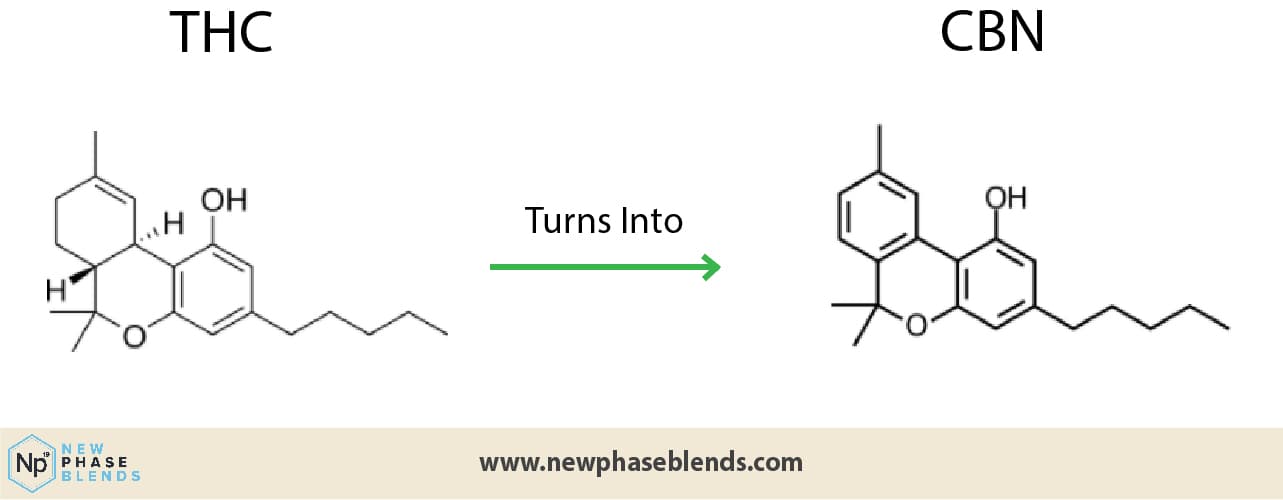
Cannabinol is also considered mildly psychoactive, and can be found on a controlled substance list along with THC, depending on the region of the world you live in.
Related read: Using CBD for Sleep Disorders
Because hemp itself contains only small amounts of THC, CBN is more abundant in psychoactive cannabis strains. People need to breed cannabis plants in a way that promotes higher quantities of CBN, should they want a CBN-rich strain.
However, cannabinol can still be extracted from hemp. Like CBD, cannabinol is, therefore, legal for therapeutic use.
What is CBN Good For?
CBN has many potential benefits. When used therapeutically, cannabinol promotes many of the same benefits of cannabidiol through how it interacts with cannabinoid receptors we all have. However, cannabinol also has unique properties that make it more suitable for treating certain chronic ailments.
- Cannabidiol often helps promote wakefulness in users. However, a few smaller studies show that cannabinol can enhance sleep and rest quality. This makes it more suitable than CBD for treating conditions like insomnia. If you suffer from chronic pain at night, cannabinol may be a great option for you.
- Studies show that cannabinol may have potent antibacterial properties that can help treat antibiotic-resistant bacterial infections like MRSA.
- Like THC, CBN is an appetite stimulant. However, CBN can be used to increase appetite without users experiencing nausea or a psychoactive high like when using tetrahydrocannabinol.
Other Potential Benefits
Some studies show that cannabinol may have comparable efficacy as a sedative to pharmaceutical drugs like diazepam. However, cannabinol also has a wide variety of other therapeutic effects.
CBN and Neurodegenerative Conditions. In studies on rodents, CBN has been found to help delay the onset of symptoms associated with Amyotrophic Lateral Sclerosis (ALS) and other neurodegenerative conditions.
Glaucoma. Like with cannabigerol (CBG), research shows that cannabinol may be able to help reduce intraocular pressure in glaucoma patients. However, research into this and its efficacy for helping treat glaucoma is ongoing.
CBN as an Anti-Inflammatory. Like CBD and CBG, cannabinol is widely used therapeutically as an anti-inflammatory agent. Rodent studies also show that it may be particularly effective for treating pain and inflammation resulting from rheumatoid arthritis.
Related: CBD Gummy Benefits For The Body
Research also shows that CBN may be able to help promote bone growth and be used as a potent anti-anticonvulsant.
How Does CBN Work?
CBN works via the endocannabinoid system. The endocannabinoid system is a system of different network cells known as cannabinoid receptors. These cannabinoid receptors can be stimulated by minor cannabinoids and major cannabinoids, like CBN, found within the cannabis plant.
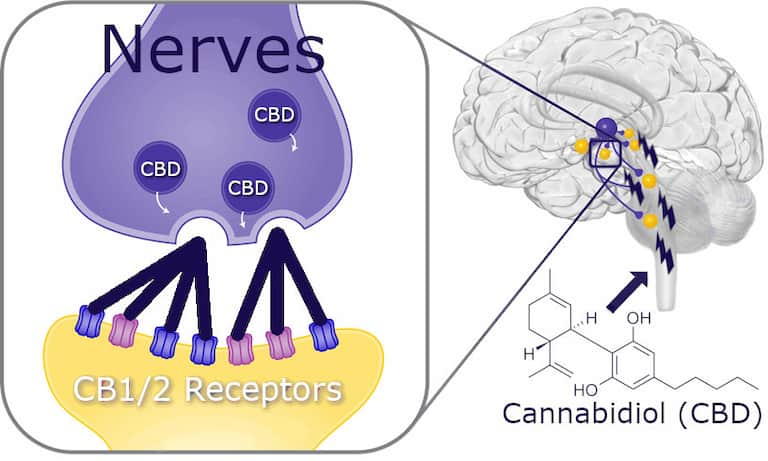
Similarly, CBD products offer their therapeutic benefits by how they interact with the endocannabinoid system. CBD and CBN both hold similarities in this area.
Related: CBD vs CBN
Once these cannabinoid receptors are stimulated by CBN use, different things can happen. Some of these effects are:
- psychoactive effects
- changes in sleep quality
- pain relief
- mood regulation
- and other therapeutic effects
Human research is being conducted so we can continue to learn how these receptors work within us.
What is CBN Oil?
CBN oil is a concentrated form of cannabinol that is contained in a tincture. This tincture comes with a dropper than can be used to place the drops under your tongue. You can think of this exactly like CBD oil, except it contains larger amounts of CBN. There are other forms of products to get a dose of CBN, too. Gummies, balms, and pills also can contain high amounts of cannabinol, should you prefer something other than an oil.
Currently, the best way to get your doses of CBN is by buying a full spectrum CBD oil that’s rich in CBN. Finding a CBN oil isolate is possible, but it will be expensive, and the likelihood of it being fake is astronomically high. This is because a pure CBN oil is still difficult and time consuming to produce.
CBN vs CBD: What’s the Difference?
Full article: CBD vs CBN
The difference in these two cannabinoids comes down to two things:
- chemical structure
- potential health benefits
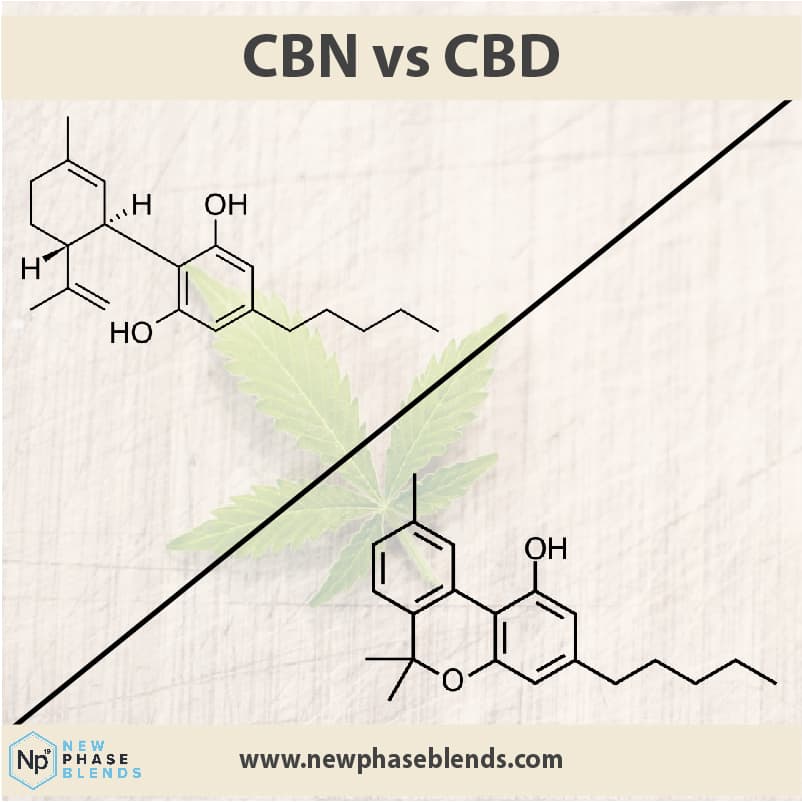
Both chemicals are found in cannabis, but many more studies have been conducted on CBD. This is why finding information on CBD is much easier. CBD probably has more conclusive evidence in regards to the number of benefits it can offer you, whereas CBN has little-to-no studies proving its’ worth.
Some people believe CBN leads to improved sleep quality when compared to CBD, but this is purely speculation at this point.
Human research on CBD shows that it is great for pain relief when compared to CBN.
How Can I Buy and Use CBN Oil?
Because it is possible to isolate CBN from hemp, it and other cannabinol therapeutics are both legal and widely available online. However, the price of cannabinol is often higher than the price of CBD. This is due to the higher cost and complexity of CBN production.
Due to the usually higher cost of production, CBN is most commonly sought after by those looking to benefit from the sedative properties of cannabinol. This being the case, if you are looking to use hemp or medical cannabis to relieve pain or inflammation, sourcing regular or full-spectrum CBD may be a better, more affordable option.
You can find all of these, and more CBD products for sale, at our online CBD shop.
Starter Kit Bundles
Confused on what to buy? Check out our CBD starter kit bundle. This bundle comes with several different forms of CBD products. You can see which type you like best. Maybe you like them all, maybe you prefer a balm, or a CBD tincture. With this kit, there is no guessing. You get it all.
Summary – What is Cannabinol (CBN)?
Cannabinol (CBN) is just another plant chemical found largely in cannabis sativa that offers potential benefits when consumed. Similar to CBD, it may offer certain health benefits that people find useful. CBN is still in the infancy stages of research, though, so take any medical claims you see with a big grain of salt before buying CBN oil products.
Related: What Does CBD Stand For?
CBN oil is just a concentrated form of cannabinol in an oil form that’s been pulled from the cannabis plant. You can find many different CBN products for sale right now, but please keep in mind most of these are probably either fake, or dosed improperly.
For this reason, your best bet for getting your CBN will be via a full spectrum CBD oil product. A true full spectrum item will contain plenty of CBN, CBC, and other beneficial cannabinoids.
References
Steep Hill: https://www.steephill.com/
Dialogues in Clinical Neurosciences: https://www.ncbi.nlm.nih.gov/
Federation of American Sciences for Experimental Biology: https://faseb.onlinelibrary.wiley.com/
Back to List of Cannabinoids
FDA Disclaimer: none of the statements on this webpage have been approved by the Food and Drug Administration. These statements have not been evaluated by the FDA. These products are not intended to diagnose, treat, cure, or prevent any disease. Professional medical advice should be sought before starting any supplement. If you are pregnant or nursing consult with a doctor. Medical advice should be sought if you have any pre-existing medical conditions. If you take other prescription medications, a doctor’s advice should be sought. Site void where prohibited.


