 Author: Dale Hewett
If you’ve been wondering whether CBD can increase appetite, you’re not alone. Many people exploring CBD products are curious about how this popular cannabinoid might affect their hunger and eating patterns. Unlike its well-known cousin THC, which is famous for causing “the munchies,” CBD’s relationship with appetite is far more nuanced and complex.
The question of whether CBD can increase appetite has significant implications for various groups of people, from those dealing with appetite loss due to medical conditions to individuals seeking natural ways to support healthy eating habits. Understanding how CBD interacts with your body’s appetite regulation system can help you make informed decisions about incorporating CBD products into your wellness routine.
This comprehensive guide will explore the science behind CBD’s effects on appetite, examine current research findings, and provide practical insights for those considering whether CBD might help them eat more while taking CBD. We’ll also address common misconceptions and provide evidence-based information to help you understand what to expect when using CBD products for appetite-related concerns.
How CBD Interacts with Your Body’s Appetite Control System
To understand whether CBD can increase appetite, it’s essential to first grasp how your body naturally regulates hunger and satiety. The endocannabinoid system plays a crucial role in this process, acting as a complex network of receptors and chemical messengers that help maintain various bodily functions, including appetite control.
CB1 receptor stimulation promotes orexigenic pathways leading to the increase in the synthesis of molecules such as ghrelin, NPY, and β-endorphin, which are associated with increased appetite. This system works like a sophisticated control center, monitoring your body’s energy needs and sending signals to either stimulate or suppress hunger accordingly.
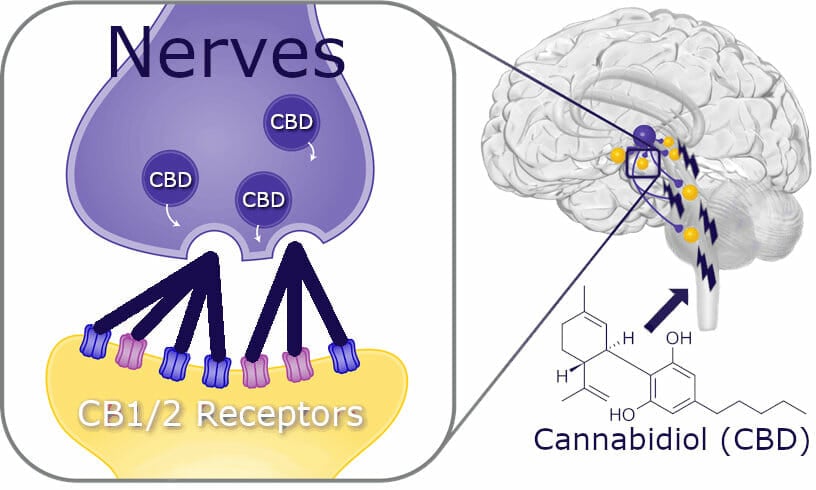
The endocannabinoid system operates through two primary receptors: CB1 and CB2. CB1 receptors are primarily found in the brain and central nervous system, while CB2 receptors are mainly located in immune cells and peripheral tissues. They act like traffic cops to control the levels and activity of most of the other neurotransmitters, regulating everything from hunger to temperature and alertness.
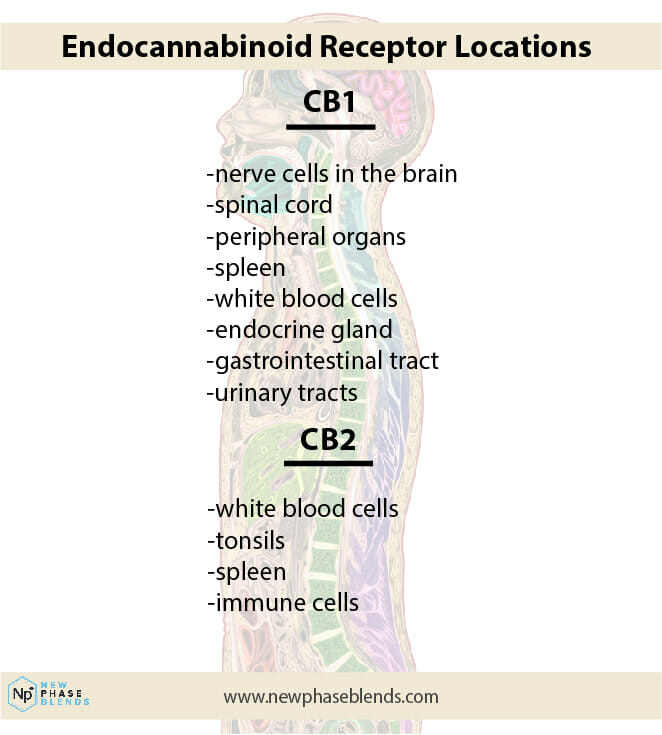
When it comes to appetite regulation, the hypothalamus serves as the command center. In the hypothalamus, CB1 receptor and endocannabinoids are integrated components of the networks controlling appetite and food intake. This brain region processes signals from various hormones and neurotransmitters to determine whether you should feel hungry or satisfied.
The Science Behind CBD’s Effects on Appetite
Research into CBD’s impact on appetite has yielded surprising results that challenge common assumptions about cannabinoids and hunger. While many people assume that all cannabis compounds increase appetite, the scientific evidence tells a different story about CBD specifically.
Multiple systematic reviews have examined CBD’s effects on appetite and body weight. This systematic review suggests that cannabidiol has an anorexigenic effect, correlated with a decrease in body weight. This finding indicates that CBD may actually suppress appetite rather than stimulate it, which is contrary to what many people expect.
However, the relationship between CBD and appetite isn’t straightforward. While some report appetite stimulation, most studies suggest a potential appetite-reducing effect, particularly in those with a higher BMI. This variability suggests that individual factors play a significant role in how CBD affects appetite.
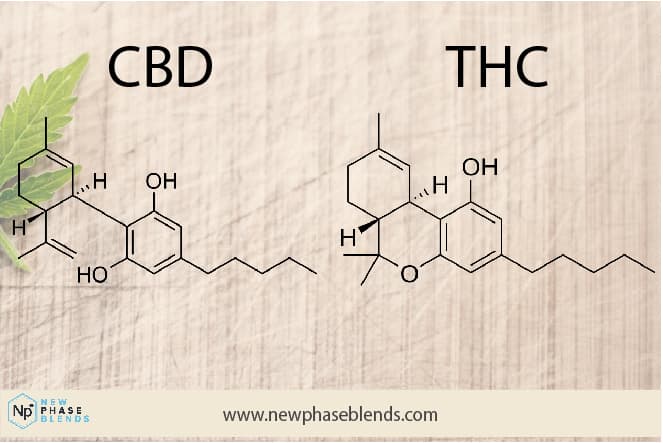
One important distinction to understand is the difference between CBD and THC. CBD does not stimulate appetite the way THC does. In fact, the majority of studies have found CBD to suppress appetite more than anything. This fundamental difference explains why CBD products don’t typically cause the “munchies” associated with THC-containing cannabis.
Research has also shown that CBD’s effects may vary depending on the specific population studied. Authors reported that CBD alone had no effect on appetite and did not change anthropometric parameters such as body mass index (BMI), waist circumference, visceral adiposity, waist-to-hip ratio, neck circumference, and skinfold thickness in some studies, suggesting that CBD’s appetite effects may be more subtle or variable than initially thought.
Understanding Individual Variations in CBD’s Appetite Effects
One of the most important aspects of CBD’s relationship with appetite is the significant individual variation in how people respond to cannabidiol. Your unique endocannabinoid system, genetics, current health status, and other factors all influence how CBD might affect your hunger and eating patterns.
It might boost or suppress hunger, depending on factors like genetics. This genetic component helps explain why some people report increased appetite when taking CBD, while others experience decreased hunger or no change at all. Your genetic makeup influences how your body produces, processes, and responds to endocannabinoids and external cannabinoids like CBD.
Your current health status also plays a crucial role in determining CBD’s effects on appetite. People with certain medical conditions, particularly those affecting the endocannabinoid system or metabolism, may experience different responses to CBD compared to healthy individuals. Additionally, factors such as age, body weight, medication use, and overall health can influence how CBD interacts with your appetite regulation system.
The method of consuming CBD may also influence its effects on appetite. The method of consuming CBD might influence how the compound affects your body’s hunger signals. Different delivery methods, such as oils, capsules, edibles, or vaporizers, have varying bioavailability and onset times, which could potentially impact their effects on appetite.
Practical Considerations for Using CBD to Support Appetite
If you’re considering using CBD to potentially support your appetite, understanding the practical aspects of CBD use is essential. While the research shows mixed results regarding CBD’s ability to increase appetite, some individuals may still find it helpful as part of a comprehensive approach to addressing appetite concerns.
When exploring CBD for appetite support, it’s important to have realistic expectations based on current scientific evidence. Rather than expecting dramatic appetite increases, consider CBD as one potential tool that might help with overall wellness and potentially support healthy eating patterns in subtle ways.
Dosing considerations are particularly important when using CBD for any purpose, including appetite support. Starting with low doses and gradually increasing allows you to assess how your body responds to CBD. Most experts recommend beginning with 5-10mg of CBD per day and slowly increasing the dose over time while monitoring your body’s response.
Timing of CBD consumption may also matter for appetite-related effects. Some people find that taking CBD before meals helps with overall comfort and enjoyment of food, even if it doesn’t dramatically increase hunger. Others prefer taking CBD at consistent times throughout the day to maintain steady levels in their system.
Addressing Common Misconceptions About CBD and Appetite
Several misconceptions exist about CBD’s effects on appetite, largely stemming from confusion with THC and oversimplified understanding of how cannabinoids work. Addressing these misconceptions helps set appropriate expectations for CBD use.
The most common misconception is that all cannabis compounds increase appetite. While THC is well-known for stimulating hunger, CBD appears to work differently. Cannabidiol (CBD) appears to be associated with decreased appetite, which is the opposite of what many people expect. This difference highlights the importance of understanding that not all cannabinoids have the same effects.
Another misconception is that CBD will work the same way for everyone. The reality is that individual responses to CBD vary significantly based on genetics, health status, and other factors. What works for one person may not work for another, and expecting consistent results across all users is unrealistic.
Some people also believe that higher doses of CBD will automatically lead to increased appetite. However, CBD doesn’t typically follow a linear dose-response relationship for appetite effects. In fact, preliminary data suggests that consistent use of CBD doesn’t significantly alter appetite patterns in a drastic manner over the long term.
Long-Term Considerations and Safety
When considering CBD for appetite support, it’s important to think about long-term use and safety considerations. While CBD is generally considered safe for most people, understanding potential long-term effects and interactions is crucial for informed decision-making.
Long-term studies on CBD’s effects on appetite are still limited, but current evidence suggests that CBD doesn’t dramatically alter appetite patterns over extended periods. But, as with any supplement, long-term use should be monitored and guided by a healthcare professional. This professional guidance is particularly important if you have underlying health conditions or take medications that might interact with CBD.
Safety considerations include understanding potential drug interactions, especially if you take medications that affect appetite or metabolism. CBD can interact with certain medications by affecting how your liver processes them, potentially altering their effectiveness or increasing the risk of side effects.
It’s also worth noting that while CBD is generally well-tolerated, some people may experience side effects such as drowsiness, dry mouth, or changes in appetite. These effects are typically mild and may decrease with continued use, but they’re important to monitor, especially when first starting CBD.
Making Informed Decisions About CBD and Appetite
Given the current state of research on CBD and appetite, making informed decisions requires understanding both the potential benefits and limitations of CBD for appetite support. While CBD may not be the appetite stimulant that some people hope for, it might still play a role in overall wellness and eating satisfaction for some individuals.
Before starting CBD for appetite concerns, consider consulting with a healthcare provider, especially if you have underlying health conditions or take medications. They can help you weigh the potential benefits and risks based on your individual situation and health needs.
If you decide to try CBD, focus on quality products from reputable manufacturers that provide third-party lab testing results. This ensures you’re getting a product that contains the amount of CBD advertised and is free from harmful contaminants.
Keep a journal to track your appetite, mood, and any other effects you notice when using CBD. This information can help you and your healthcare provider determine whether CBD is having any meaningful impact on your appetite and overall well-being.
Conclusion
The relationship between CBD and appetite is complex and highly individual. While many people wonder if CBD can increase appetite, current research suggests that CBD is more likely to have neutral or appetite-suppressing effects rather than stimulating hunger. However, a person’s specific health conditions and unique endocannabinoid system can contribute to this variability.
For those hoping to eat more while taking CBD, it’s important to have realistic expectations based on scientific evidence rather than assumptions. CBD may support overall wellness and potentially contribute to a more comfortable relationship with food, but it’s unlikely to dramatically increase appetite in the way that THC does.
If you’re dealing with appetite concerns, CBD might be one tool to consider as part of a comprehensive approach that includes proper nutrition, medical care when appropriate, and lifestyle factors that support healthy eating. The key is approaching CBD use with informed expectations and professional guidance when needed.
As research continues to evolve, our understanding of CBD’s effects on appetite may become clearer. Until then, individual experimentation with proper medical oversight remains the best approach for those interested in exploring CBD’s potential role in supporting their appetite and overall wellness goals.