
If you’ve been using CBD daily and feel like it isn’t working as well as it used to, you may be developing a tolerance. This is more common than most people realize, and it doesn’t mean anything is wrong with you or the product. Understanding how CBD tolerance works — and how it differs from THC tolerance — will help you get consistent results long-term.
Note: The FDA has not approved CBD as a treatment for any medical condition. Nothing in this article constitutes medical advice. Always consult your healthcare provider before making changes to any supplement routine.
TL;DR – Yes, your body can build a tolerance to CBD, but it works differently than THC tolerance. CBD may actually produce reverse tolerance over time — meaning you may need less, not more. If you feel your CBD has stopped working, a short tolerance break or dose reduction can reset your sensitivity within days.
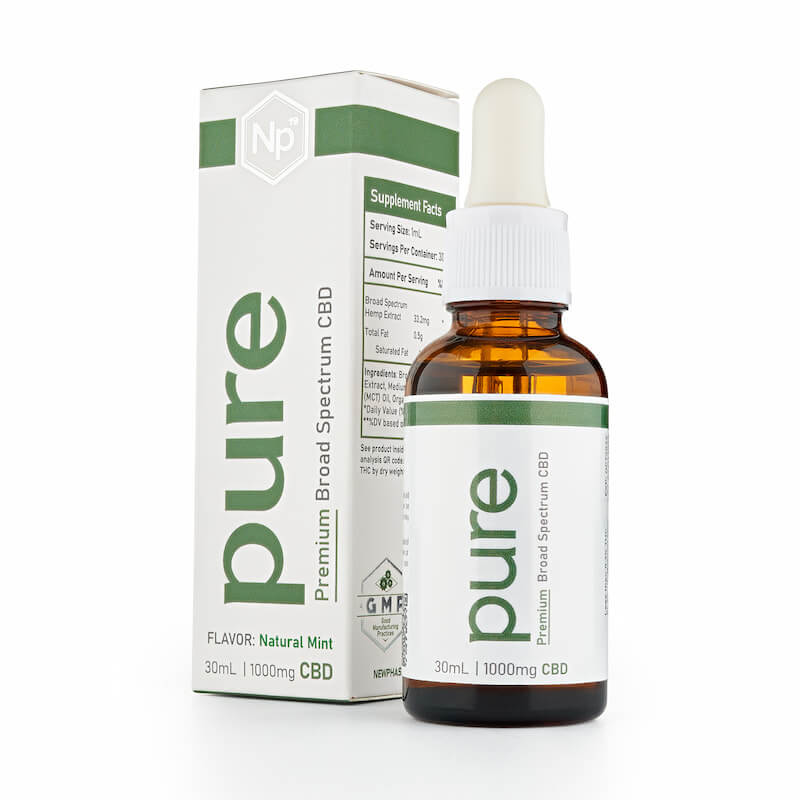
Why Does CBD Tolerance Develop?
Your body naturally adapts to substances you use regularly. With CBD, tolerance develops primarily because your cannabinoid receptors — CB1 and CB2 — become desensitized after prolonged, frequent exposure. When receptors are repeatedly activated, the body responds by downregulating them: either reducing the number of receptors available or making existing ones less responsive. The result is that the same dose produces a weaker effect over time.
Think of it like caffeine. Regular coffee drinkers often need more cups to feel the same alertness they got from one cup when they first started. The biology is different, but the principle of receptor adaptation is similar.
Tolerance is most likely to develop with high daily doses over extended periods. Occasional users rarely experience meaningful tolerance buildup.
How CBD Interacts with the Endocannabinoid System
To understand tolerance, it helps to understand how CBD actually works in the body. Unlike THC, CBD doesn’t bind directly to CB1 or CB2 receptors. Instead, it modulates receptor activity indirectly and interacts with a wide range of other pathways, including serotonin (5-HT1A), vanilloid (TRPV1), and GABA receptors. This is one reason why your endocannabinoid system responds to CBD differently than it does to THC.
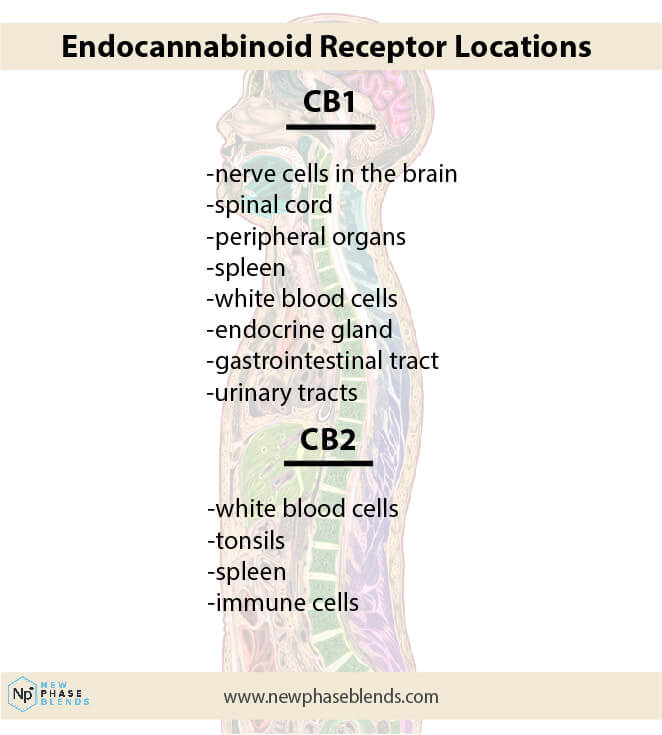
Because CBD interacts with so many different receptor types across so many pathways, the tolerance picture is more nuanced than it is with THC. Research suggests CBD may actually upregulate receptor sensitivity in some cases rather than downregulate it — a phenomenon known as reverse tolerance, which we’ll cover below.
CBD Tolerance vs. THC Tolerance: A Key Difference
THC binds directly and powerfully to CB1 receptors. Repeated THC use causes significant CB1 receptor downregulation — this is why regular cannabis users often need substantially more THC over time to feel the same effects. This is a well-documented, classic tolerance pattern.
CBD tolerance is different. Because CBD doesn’t bind directly to CB1 receptors, it doesn’t cause the same degree of receptor downregulation. Some research even suggests CBD can reduce the tolerance-building effects of THC by modulating CB1 receptor activity. This makes a high-quality full-spectrum CBD oil particularly interesting — the presence of minor cannabinoids and the entourage effect may help maintain a more balanced interaction with the ECS over time compared to CBD isolate alone.
What Is Reverse Tolerance?
Reverse tolerance — sometimes called sensitization — is the opposite of standard tolerance. Instead of needing more of a substance over time, you need less. Some long-term CBD users report exactly this: after weeks or months of consistent use, a lower dose produces the same or better results than a higher dose did initially.
The leading theory is that CBD’s indirect modulation of the ECS gradually improves receptor sensitivity and endocannabinoid tone rather than depleting it. This means the ECS becomes more efficient at responding to both CBD and the body’s own naturally produced cannabinoids.
Not every user experiences reverse tolerance — individual genetics, lifestyle factors, and the specific product used all play a role. But it is worth monitoring your response over time. If your CBD seems increasingly effective at lower doses, that’s a good sign your ECS is responding well to regular use.
How to Reset Your CBD Tolerance
If you feel your CBD has stopped working effectively, there are two proven approaches to resetting your tolerance. Before making changes, it also helps to reassess how much CBD you’re taking based on your current body weight and condition — sometimes what feels like tolerance is simply an underdose.
Option 1: Take a Tolerance Break
Stop using CBD entirely for 2–3 days. This gives your CB receptors time to fully clear and begin upregulating again. After the break, resume at approximately 50% of your previous dose and increase gradually every 3 days until you reach a therapeutic level. Most users notice improved sensitivity within the first few days of resuming.
When restarting after a break, CBD capsules are a convenient option — each capsule is a pre-measured dose, making it easy to stay disciplined about starting low and increasing slowly without guesswork.
Option 2: Titrate Down Gradually
Titration is a slower, more controlled approach. Rather than stopping entirely, reduce your current dose by 25% every 3 days until your body resets its sensitivity threshold. This is the preferred method for users who need continued CBD support during the reset period.
For example: if you currently take two CBD gummies twice daily, reduce to one and a half for days 1–3, then one for days 4–6, then half for days 7–9. Once you find the lowest effective dose, hold there for at least a week before making any upward adjustments. The key principle: go slow on the way back up.
Does CBD Quality Affect Tolerance?
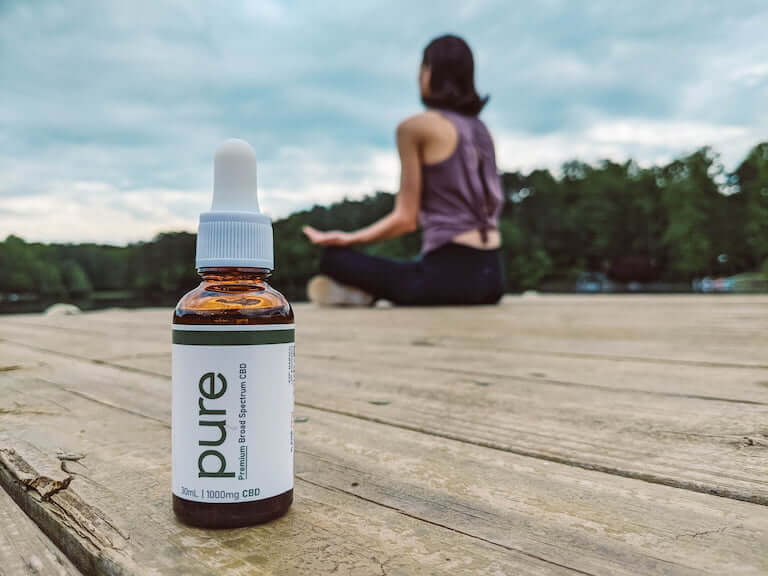
Yes — significantly. Products with inaccurate labeling are common in the CBD industry. If a product claims 1,000 mg but only contains 400 mg, you’re not getting the dose you think you are. This can look like tolerance when it’s actually just inconsistent dosing from a low-quality product.
Before assuming you’ve built a tolerance, verify that your product has been independently verified through third-party lab testing. A valid certificate of analysis (COA) confirms the actual cannabinoid content, rules out contamination, and tells you whether what’s on the label matches what’s in the bottle. At New Phase Blends, every product includes a QR code that links directly to its current COA.
Summary
CBD tolerance is real but manageable. Unlike THC, CBD interacts with the endocannabinoid system in a way that can produce reverse tolerance over time — meaning consistent long-term users sometimes find they need less, not more. If you do experience diminishing effects, a short tolerance break or gradual dose reduction is usually enough to restore sensitivity within a week.
The most important factors for consistent results: use a high-quality, properly dosed product, stay within an appropriate dosage range for your body weight, and give your ECS time to calibrate. Ready to get started with something you can trust? Browse our full CBD product lineup — every product is third-party tested and clearly dosed.
Frequently Asked Questions
How long does it take to build a CBD tolerance?
Most users who develop noticeable CBD tolerance do so after several weeks to months of high-dose daily use. Occasional users or those taking lower maintenance doses are unlikely to build significant tolerance. The timeline varies based on dose, frequency, product type, and individual biology.
Will taking a break from CBD cause withdrawal?
No. CBD is non-habit forming and does not produce physical withdrawal symptoms. Taking a 2–3 day break is generally well tolerated. Some users may notice the return of symptoms they were using CBD to manage — such as mild anxiety or disrupted sleep — but this is the underlying condition reasserting itself, not withdrawal from CBD.
Can you build a tolerance to CBD gummies specifically?
Tolerance can develop with any CBD delivery method, including gummies. Because gummies are digested and have lower bioavailability than sublingual oils, users sometimes inadvertently take higher milligram doses to compensate — which can accelerate tolerance buildup. If you primarily use gummies, consider switching to a sublingual oil during a tolerance reset period, as you may find a lower effective dose.
Does CBD tolerance affect everyone the same way?
No. Genetics, the endocannabinoid system’s baseline tone, lifestyle factors, and the specific CBD product all influence how quickly tolerance develops. Some users never experience meaningful tolerance; others notice it within a few weeks of daily high-dose use. Monitoring your own response and adjusting proactively is the most effective strategy.
Is reverse tolerance the same as a placebo effect?
No. Reverse tolerance is a documented pharmacological phenomenon in which a substance produces stronger effects over time rather than weaker ones, due to receptor sensitization. While placebo effects do exist with any supplement, the receptor-level changes associated with CBD’s interaction with the ECS provide a plausible biological mechanism for why some users genuinely need less CBD over time.


