
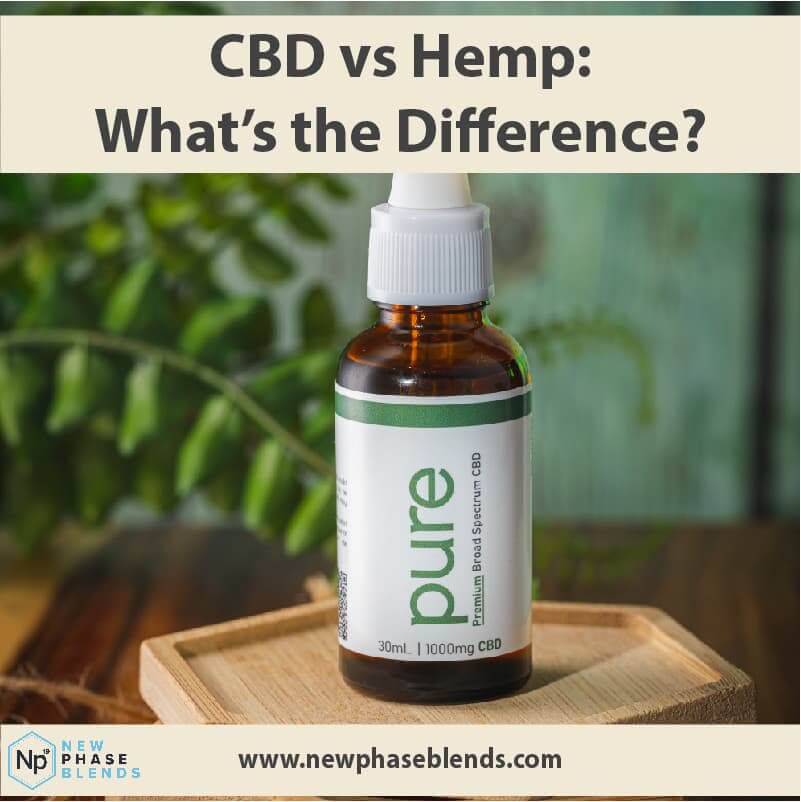
TL;DR – Hemp is the plant; CBD is a cannabinoid compound extracted from it. The comparison is like asking “what’s the difference between milk and dairy?” CBD comes from hemp, and not all hemp products contain CBD. Understanding this distinction helps you identify legitimate CBD products and avoid common marketing scams like hemp seed oil being sold as CBD oil.
Understanding the Plant: What Is Hemp?
Hemp is a variety of the Cannabis sativa plant that has been cultivated for thousands of years. Historically grown for fiber, hemp was used to make rope, textiles, sails, and clothing. In modern agriculture, industrial hemp refers to Cannabis sativa plants bred and grown specifically to contain very low levels of THC, the psychoactive compound associated with marijuana.
The federal definition of hemp is established by the 2018 Farm Bill, which legally defines hemp as any Cannabis sativa plant containing 0.3% THC or less by dry weight. This distinction matters enormously in the United States because it determines whether a cannabis plant is federally legal or controlled under the Controlled Substances Act. This single percentage threshold separates legal agricultural crops from Schedule I substances.
Beyond CBD and cannabinoids, hemp has incredible practical applications. Farmers and manufacturers use hemp to produce textiles, insulation material for construction, biofuel, paper products, and animal bedding. Some companies are even exploring hemp-based plastics as a sustainable alternative to petroleum-based polymers. The entire plant has value, not just the flowers where cannabinoids concentrate.
What Is CBD? The Cannabinoid Inside the Plant
CBD stands for cannabidiol, one of over 100 identified cannabinoids present in the cannabis plant. Cannabinoids are naturally occurring compounds that interact with the body’s endocannabinoid system, a regulatory network involved in sleep, mood, immune response, and pain perception. CBD is non-psychoactive, meaning it does not produce the “high” associated with marijuana use.
Think of hemp as the container and CBD as one of many items inside it. A hemp plant contains CBD alongside other cannabinoids like CBG, CBN, and CBC. The concentration of CBD varies widely between plants and strains. Some hemp varieties are bred to maximize CBD production, while others produce only trace amounts. You cannot extract CBD from every hemp plant with equal efficiency.
CBD exists in the resinous flowers and leaves of the hemp plant, where it occurs naturally as part of the plant’s biochemistry. To create CBD products, manufacturers must extract this compound from raw hemp material using solvents like CO2 or ethanol. The resulting extract is then processed further depending on the final product type desired.
CBD vs. Hemp: Why the Comparison Confuses People
The phrase “CBD vs. hemp” itself reveals the confusion. These terms describe different things at different levels: hemp is the plant species, while CBD is a single chemical compound found within that plant. A more accurate comparison might be “milk vs. dairy”—milk is a product made from dairy cows, but you wouldn’t say milk and dairy are competitors. They exist in a hierarchy.
This terminology confusion is partly due to marketing language. When companies advertise “hemp products,” they might mean hemp fiber, hemp seed oil, hemp extract, or CBD products derived from hemp. The word “hemp” alone tells you almost nothing about whether a product contains CBD or any cannabinoids at all. This ambiguity creates space for misleading marketing.
Understanding the plant-to-product chain eliminates confusion. First, you have the hemp plant. Second, you extract compounds from that plant to create hemp extract. Third, you process that extract into different product forms. Each step transforms the raw material into something different, and not all hemp products make it past step one.
The Critical Difference: THC Content and Legal Status
The most important distinction between hemp and marijuana is not the species—they’re both Cannabis sativa—but the THC content. Hemp contains 0.3% THC or less by federal legal definition. Marijuana plants contain significantly higher THC levels, typically 5% to 30% depending on the strain and cultivation method.
THC is the psychoactive cannabinoid responsible for the intoxicating effects associated with marijuana. When THC enters the bloodstream and reaches the brain, it binds to cannabinoid receptors and produces euphoria, altered perception, and other intoxicating effects. CBD does not produce these effects because it interacts with the endocannabinoid system differently than THC does.
This THC distinction creates the legal landscape for CBD products. CBD derived from federally compliant hemp (≤0.3% THC) is legal throughout the United States under the 2018 Farm Bill, at least at the federal level. However, CBD extracted from marijuana plants or any cannabis plant with THC above the 0.3% threshold remains a controlled substance. Source matters enormously for legality and product safety.
From Plant to Product: How Hemp Becomes CBD
Understanding how CBD products are manufactured clarifies the distinction between hemp and CBD. The process begins with hemp farmers harvesting mature plants bred for high CBD content. These raw flowers and leaves contain cannabinoids in their acidic forms: CBDA rather than CBD, THCA rather than THC.
Extraction converts this raw material into hemp extract by dissolving cannabinoids from plant matter. CO2 extraction, a popular method, uses pressurized carbon dioxide to selectively extract cannabinoids while leaving most plant waxes and chlorophyll behind. The resulting extract is a concentrated liquid or paste containing CBD alongside other cannabinoids present in the source material.
From this extract, manufacturers create different product types. Full-spectrum CBD products contain all cannabinoids, terpenes, and plant compounds from the extraction, including trace amounts of THC (below 0.3%). Broad-spectrum products undergo additional processing to remove THC while keeping other cannabinoids. CBD isolate contains only pure cannabidiol, with all other compounds removed. Each type serves different consumer preferences and uses.
The final step involves incorporating this extract into a delivery format: oils, capsules, tinctures, edibles, topicals, or raw flower. A CBD oil is not pure cannabidiol; it’s CBD extract mixed with a carrier oil like MCT oil or hemp seed oil. This distinction matters for understanding both potency and pricing.
The Hemp Seed Oil Deception: A Critical Marketing Scam
One of the most persistent sources of confusion involves hemp seed oil, a product frequently misrepresented as CBD oil. Hemp seed oil is extracted from hemp seeds through cold pressing, similar to how sunflower or coconut oil is made. Despite coming from the hemp plant, hemp seed oil contains virtually no cannabinoids, including no CBD.
Hemp seeds themselves contain no CBD because cannabinoids concentrate in the flowers and leaves of the plant, not the seeds. A hemp plant’s reproductive seeds are nutritious—rich in protein, healthy fats, and minerals—but they are essentially cannabinoid-free. Marketing hemp seed oil as a CBD product is technically false advertising, yet it happens regularly because consumers unfamiliar with the terminology don’t notice the deception.
Hemp seed oil is a legitimate nutritional product with genuine health benefits from its omega-3 and omega-6 fatty acid content. However, it should never be confused with or sold as CBD oil. When shopping for CBD products, examine the label carefully. If the product says “hemp seed oil,” it does not contain meaningful CBD. Legitimate CBD products will explicitly state “CBD” or “cannabidiol” on the label and provide third-party lab testing confirming cannabinoid content.
Other Cannabinoids in Hemp Beyond CBD
Hemp contains dozens of cannabinoids beyond CBD, each with unique properties and potential effects. CBG, or cannabigerol, is a non-intoxicating cannabinoid that some research suggests may support mood and focus. CBN, or cannabinol, is formed when THC degrades over time and is being studied for potential sleep support properties. CBC, or cannabichromene, is another minor cannabinoid present in most hemp plants.
Full-spectrum hemp products contain these minor cannabinoids along with CBD. Some users and researchers believe the entire spectrum of cannabinoids produces superior effects compared to isolated CBD, a concept sometimes called the “entourage effect,” though this remains an area of ongoing research. The presence of these other cannabinoids is one reason full-spectrum and broad-spectrum products appeal to certain consumers.
What Research Shows About CBD
Significant research has documented CBD’s potential therapeutic applications, though many areas require further investigation. The FDA has approved one CBD medication, Epidiolex, as an anticonvulsant for certain rare seizure disorders. This approval represents the most robust evidence for CBD’s medical efficacy (FDA, 2018).
Beyond seizure disorders, emerging research explores CBD for anxiety support, sleep disturbances, and inflammatory responses in the body. A growing body of preclinical and clinical research suggests CBD may modulate anxiety-related behaviors, though most human trials remain relatively small and additional research is needed to establish optimal dosing and long-term safety (Blessing et al., 2020).
Pain and inflammation represent another area of active research. Animal studies and limited human research suggest CBD may interact with pain signaling pathways and inflammatory responses, though evidence in humans remains preliminary (Carrier et al., 2016). Most CBD products available to consumers are marketed as dietary supplements rather than medications, meaning they have not undergone the rigorous FDA approval process required for drug claims.
Frequently Asked Questions
Is all hemp CBD, and is all CBD from hemp?
Not all hemp contains significant CBD—some plants are bred primarily for fiber or seed production and contain minimal cannabinoids. Additionally, CBD can theoretically be synthesized in a laboratory, though most commercially available CBD derives from hemp extraction. The vast majority of legal CBD in the United States comes from federally compliant hemp plants.
Can you get high from hemp or CBD products?
No. Hemp plants by definition contain 0.3% THC or less, far too little to produce intoxication. CBD itself is non-psychoactive and does not cause a high even in larger doses. To experience THC’s intoxicating effects, you would need to consume marijuana, which contains substantially higher THC levels.
Why do some CBD products cost more than others?
CBD product pricing reflects several factors: extraction method, cannabinoid potency, third-party testing costs, carrier oil quality, manufacturing standards, and brand reputation. Full-spectrum products may cost less than broad-spectrum or isolate products with equivalent CBD content due to simpler processing. Higher prices do not always indicate better quality—look for third-party lab testing as evidence of product integrity.
How do I know if a CBD product actually contains CBD?
Legitimate CBD products include third-party lab testing results, typically called a Certificate of Analysis or COA, which verifies cannabinoid content and screens for contaminants. Reputable companies display these lab reports on their websites or provide them upon request. If a seller cannot provide lab testing, avoid the product—it may be mislabeled or contain no CBD at all.
Is CBD legal everywhere?
Federally, CBD derived from hemp containing 0.3% THC or less is legal under the 2018 Farm Bill. However, some states have additional restrictions or requirements for CBD products. Before purchasing, check your state’s current laws regarding CBD—regulations continue to evolve and vary by jurisdiction. Your state may require testing, labeling, or prohibit certain product types.
What is the difference between full-spectrum, broad-spectrum, and isolate CBD?
Full-spectrum products contain all cannabinoids, terpenes, and plant compounds from the hemp extract, including trace amounts of THC below 0.3%. Broad-spectrum undergoes additional processing to remove THC while preserving other cannabinoids and compounds. Isolate contains only pure CBD with all other substances removed. Your choice depends on personal preference, potential sensitivity to THC, and desired effects.
Can hemp seed oil ever contain CBD?
Hemp seed oil is extracted from seeds, which contain no cannabinoids. Pure hemp seed oil contains zero CBD by nature. If a product is labeled “hemp seed oil,” it does not contain meaningful CBD. Some products mix CBD extract with hemp seed oil as a carrier, but these should be labeled clearly as “CBD oil” or “hemp extract in hemp seed oil,” not as pure hemp seed oil.


