

Sciatica nerve pain can be debilitating for many. However, is taking CBD oil for sciatica pain reliable, and will it give you the relief you need from sciatic nerve pain?
Researchers are actively studying the effects of cannabidiol (CBD) and determining if CBD oils offer several potential health benefits, including helping sciatic pain.
Today’s article will talk about all things sciatic nerve pain related.
The Popularity of CBD Oils
CBD is one of many cannabinoids derived from the hemp plant (Cannabis sativa plant). Over the past few years, CBD has gained a lot of popularity. Since the 2018 farm bill gave the hemp plant and products like CBD oil the green light to be a legal product on the federal level, the growing, manufacturing, and selling of CBD oil has skyrocketed.
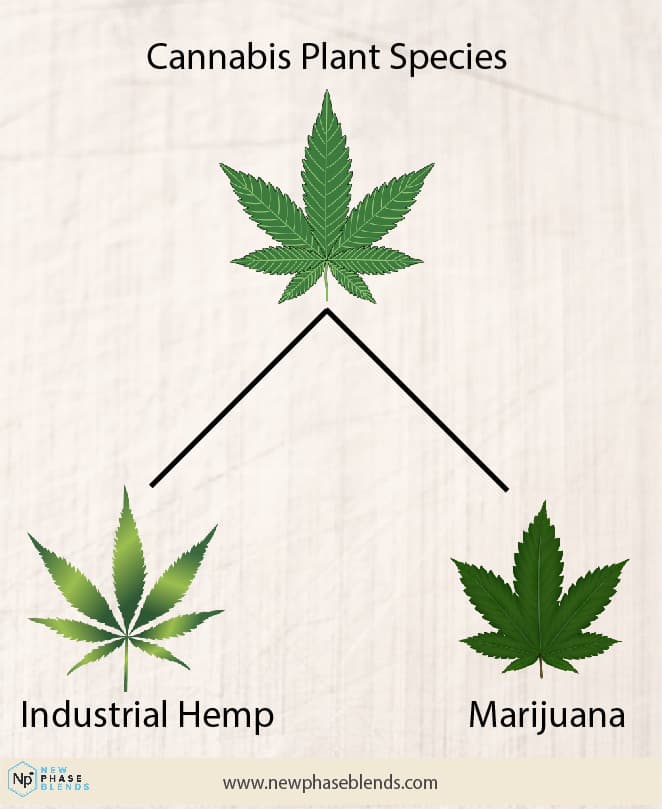
However, CBD oil is still not legal in all of the US states. Some US states have still outlawed CBD oil and CBD oil products since they contain trace amounts of THC.
Tetrahydrocannabinol (THC) is the chemical compound found in cannabis plants that affects the central nervous system by giving a person that feeling of being “high.”
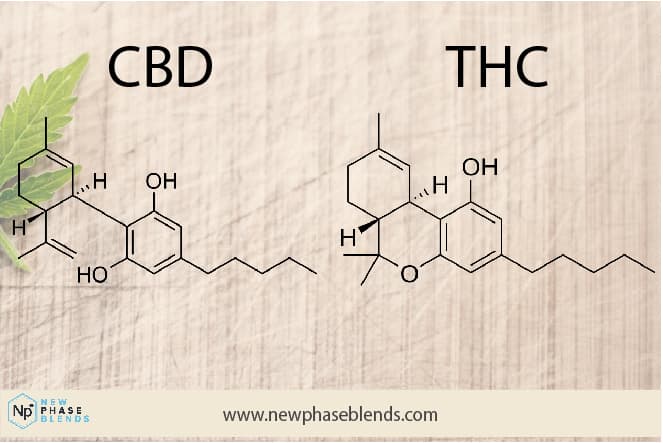
The catch to getting high off of CBD oil products is that they would have to contain more than the legal 0.3% amount of THC. Since CBD products do not contain over 0.3% THC, the user will feel more of the effects of the CBD.
Those effects may provide anti-inflammatory properties and stress and anxiety reduction. CBD may also possibly treat sciatic pain without feeling any “high” from taking the product.
Many studies have already indicated a link between taking CBD and reducing anxiety symptoms, types of epilepsy, nausea caused by chemotherapy, and chronic neuropathic pain. This would leave a person to believe that CBD could also help treat chronic sciatica pain.

Please see a doctor if you are considering treating sciatica pain with CBD. Combining prescription medications with CBD is not advised, and those potential drug interactions may cause adverse side effects.
You should only take orally consumed cannabinoids that are intoxicating (like THC) under the supervision of a trained medical professional.
If you want to get off of prescription medications and try all-natural nonsteroidal anti-inflammatory drugs like CBD, then you will want to talk to one of our customer support reps. We carry the best CBD oils and use only the finest hemp from an organic industrial hemp plant.
We use no artificial ingredients, no preservatives, and no harsh chemicals.
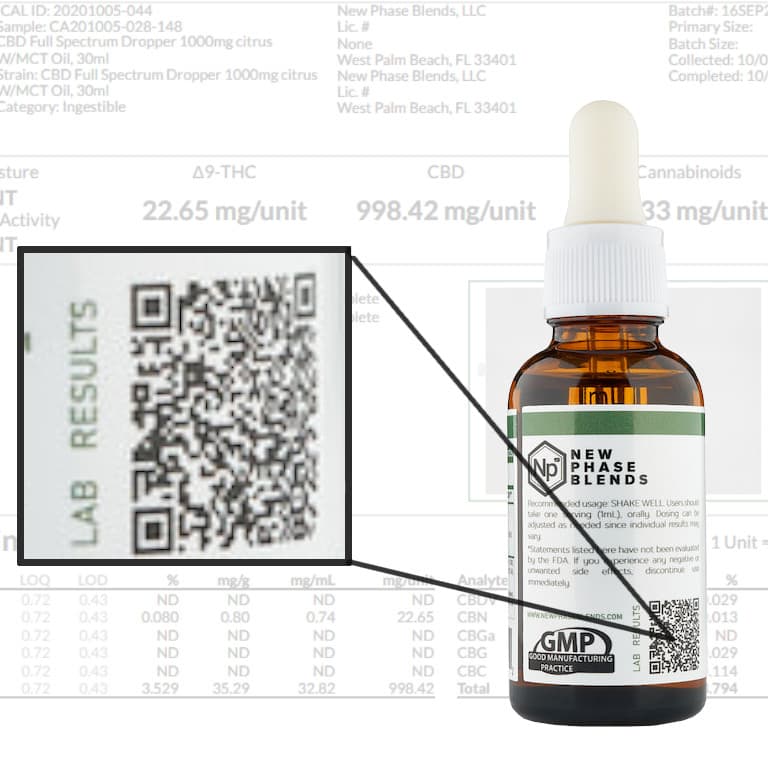
Our products are third-party lab-tested, and you can check all of our product information via a COA (Certificate of Analysis) printed as a QR code on all the hemp-derived CBD products we sell.
Nonprescription CBD Products and Pain Management
Pain relief and cannabis have gone hand-in-hand for many years. Using cannabis to treat aches and pain is nothing new. Since 2009, many users have claimed the benefits of taking cannabis for several pain-related symptoms.
These symptoms include the painful sensation associated with herniated discs and pain-related behaviors from leg pain, foot pain, or hip pain. But can something as simple as taking a CBD gummy help with pain?
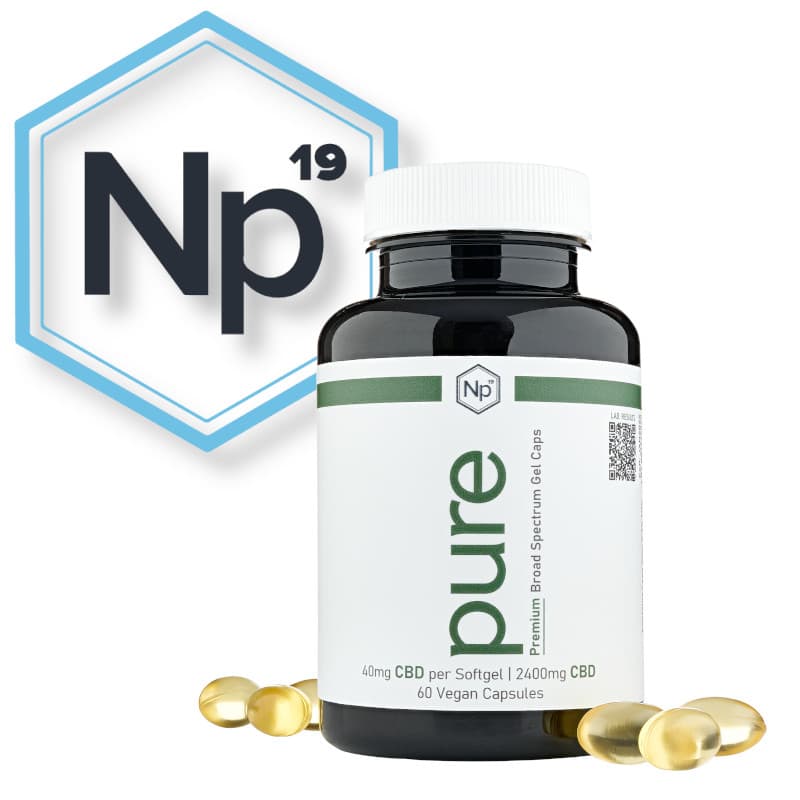
The problem lies with many of these claims not being backed by any scientific proof. That being said, some rat model studies suggest that there might be a link between CBD and its ability to relieve pain. More research could confirm this as something worth studying in humans.
Discover: CBD Cream for Back Pain
Researchers have suggested that there may be health benefits of CBD to help with a range of clinical conditions, including:
- Chronic pain
- Inflammation of the joints
- Epilepsy symptoms
- Insomnia and sleep disorders
- The symptoms of multiple sclerosis
- Anorexia and other eating disorders
- Schizophrenia and mental health
- Anxiety disorders and depression
A study with rodents from 2016 found that CBD topicals may have exhibited pain-relieving and anti-inflammatory properties for inflammation connected with arthritis.
Even though the study showed that transdermal cannabidiol reduces inflammation in rodents, more studies are needed to determine if a human can use CBD oil for sciatica.
Finding The Best CBD Sciatica Pain
It won’t take long before you begin to notice this CBD website, that CBD website, and the other CBD website are all selling CBD oil. It can be a confusing experience because so many companies make bold claims about their products.
When you see companies promoting that their products “cure sciatica” or are “approved nonprescription CBD products,” it may not be entirely accurate or completely false altogether.
The terminology is also used quite loosely. Terms like CBD oil, hemp oil, and hemp seed oil are either misused or mislabeled altogether. Find a company like New Phase Blends that uses only the best organic hemp material with no artificial ingredients or harsh chemicals.
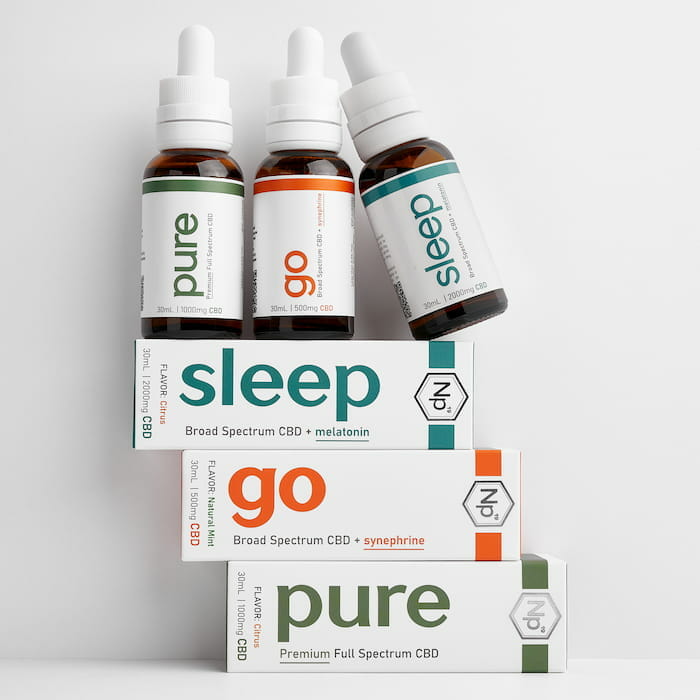
CBD manufacturers tend to sell three main CBD oil products; full-spectrum, broad-spectrum, and CBD isolate. Each one brings a different CBD experience.
Let’s take a look at what each type delivers.
Full-Spectrum CBD Oil for Sciatica
A full-spectrum CBD oil product contains all of the cannabinoids, flavonoids, and terpenes. A full-spectrum product includes CBD and also 0.3% THC or less. This product is claimed to produce “the entourage effect,” – which means that it provides all of the benefits of the plant working together to give you a more “full” CBD experience.
It is widely known to produce the best results from CBD, which includes helping to soothe sciatic pain.
Broad-Spectrum CBD for Sciatica Relief
Broad-spectrum CBD is quite similar to full-spectrum CBD since both contain all the cannabinoids, flavonoids, and terpenes.
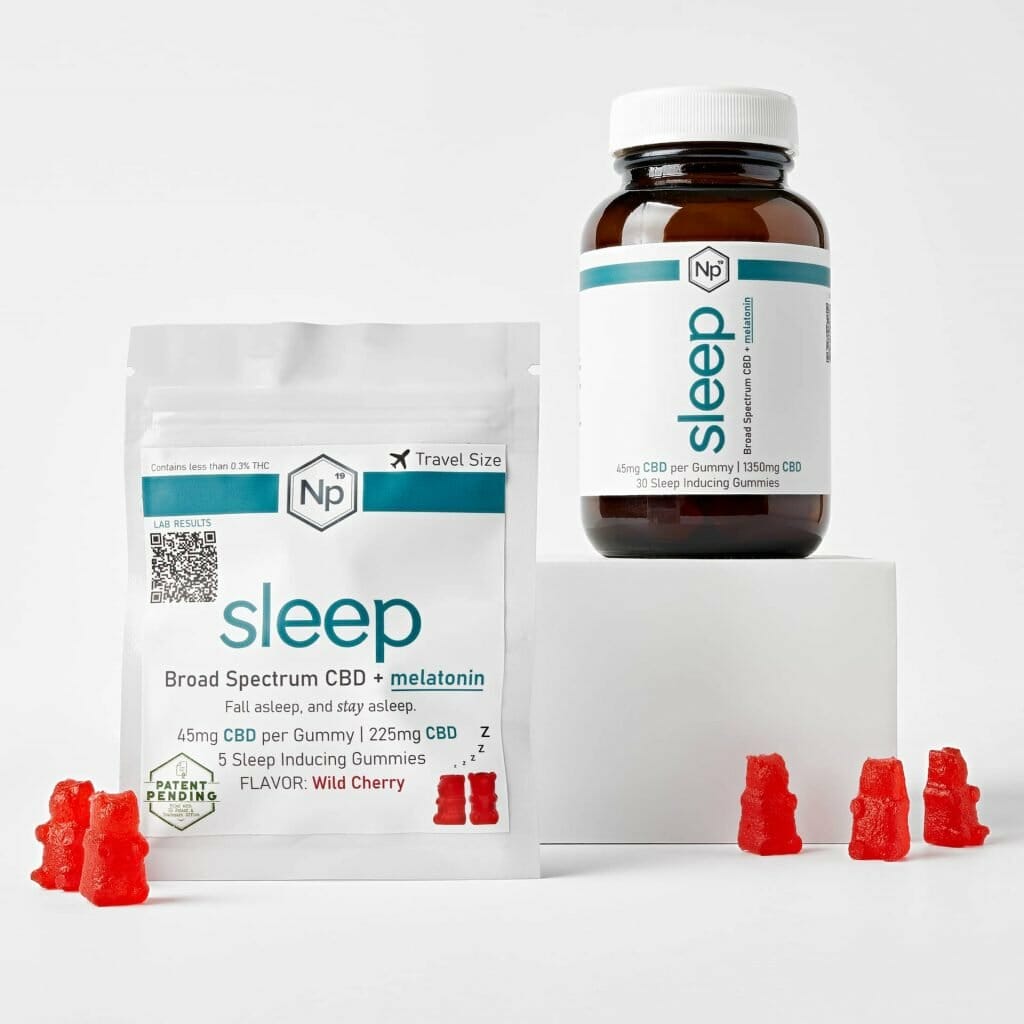
However, the most significant difference is the amount of THC in its product. While full-spectrum CBD contains up to 0.3% THC, broad-spectrum will only contain trace amounts of THC.
CBD Isolate
CBD Isolate is vastly different than the other types since it doesn’t contain any of the other cannabinoids, terpenes, or flavonoids. CBD Isolate only contains CBD. It is considered the purest form of CBD, and many will take it to avoid taking any THC.
While some research will indicate that a full-spectrum CBD product and its “entourage effect” is the best product to take, others claim that CBD isolate’s purity is better.
Nobody can fully support the debate as to whether the various other cannabinoids and compounds of the cannabis plant working together with the THC and CBD create the most beneficial effects.
One thing worth considering is that every person responds differently to CBD. Things like CBD dosage vary drastically with each person. A specific dose for one might not have any effect at all on another.
There may also be risk factors involved if the person taking the CBD has any side effects on the product. Always speak to your doctor if you are interested in taking CBD to treat sciatica, bone spurs, herniated disk, or any other ailment.
Various CBD Product Forms Available
If you’re interested in taking CBD oil for sciatica, here are the most popular products:
- CBD gummies
- CBD tinctures
- CBD capsules for those who don’t enjoy the flavor of the oils
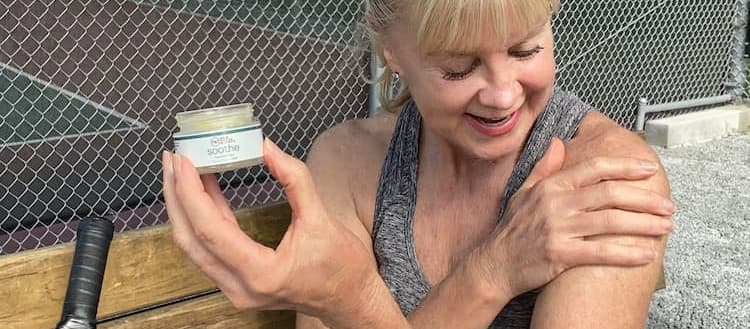
- CBD cream, balm, and massage oil products that are applied topically (or on their skin)
All of these CBD products have pros and cons. For example, if a person is concerned about the dosage of CBD, gummies, and capsules have the correct CBD dosage each time. It might be tricky to determine how much CBD is being used if using a CBD cream.
Since CBD products are still not regulated by the Food and Drug Administration (FDA), it is a buyer beware market. Do the research first. Look for third-party lab-tested products and manufacturers that have the results of those tests and all information available with a Certificate of Analysis.
How To Use CBD for Sciatica
If you decide it’s a good idea to try CBD products for sciatic pain, there are some specific ways to use the various products available. You can treat sciatic nerve pain in the following ways:
- Applying a CBD cream topically in moments of pain – To treat the flare-ups of sciatic nerve pain, physical pain, or nociceptive pain, apply a CBD topical cream to the affected area.
These products come in various forms, for example, creams, balms, and salves. These topical types of products take a few minutes to work. - Instant or quick relief to pain – If you want fast-acting pain-relieving solutions, a CBD oil or a CBD oil tincture is your best bet. Taken sublingually (or “under the tongue”), these products are absorbed immediately and start working right away.
- Maintaining a consistent level of pain relief over time – Sciatica patients need a product that regularly works to keep pain like a spinal cord injury, neuropathic pain, or sciatic nerve pain. If this is the case, then regularly taking a capsule or gummy provides a consistent dose of CBD every single time. Tinctures aren’t as accurate as a capsule or gummy but are just as fast-acting.
Related article: Using CBD for Back Pain
Currently, there is limited scientific evidence to fully endorse the use of CBD or medical cannabis (medical marijuana) to treat sciatica patients as a way to relieve nociceptive pain stemming from a compressed sciatic nerve or some other form of chronic pain.

A 2020 study found that patients who could manage CBD treatments for seven days saw promising results as it seemed that CBD helped provide pain relief. However, speaking to a medical professional is always recommended. They will know if CBD oils are suitable for your condition.
They may even suggest a combination of CBD, physical therapy, and prescription medications to help with your pain. Before getting pain relief from CBD or any other treatment, talk to a doctor first.
Risks and Side Effects
There may be adverse effects as with taking any other supplement or medication. Some may be minor and easy to deal with, while others could be severe. Here are a few known side effects that may occur when taking a CBD product:
- Fatigue or insomnia
- Changes in weight and appetite
- Diarrhea or digestive problems
CBD may also negatively interact with certain prescription medications. Or the person may be allergic to some or all of the ingredients in the CBD product. Talk to a doctor and always trust products from a reputable company.
If you want to take CBD and are on prescription medications or supplements with a “grapefruit warning,” you must be careful. This is due to the drug-metabolizing enzymes cytochrome P450 and how CBD and medicines interact.
A rat model study suggested that CBD in large quantities may cause liver toxicity. One thing to note is that these rodents consumed enormous amounts of CBD. Most CBD products come with a recommended dosage.
Frequently Asked Questions About CBD For Sciatica Pain
Below you’ll find some of the most common questions that a person might have if they decide to take CBD oil for sciatic pain. (Please consult a doctor to find out which treatment will work best for your pain):
Aside from CBD, what other self-care practices can I try to help relieve sciatic nerve pain?
In the week following an injury or the onset of sciatic pain, it is recommended to use ice packs or an ice massage may offer some relief from the pain. After a week of ice packs, you can start applying heat to the affected area to boost blood flow and help the muscles to relax. By gently moving or stretching, blood flow can also be increased and help reduce pain and promote healing.
Does taking CBD oil for sciatica pain actually work?
Research in this area is ongoing. Current studies do not provide enough concrete evidence to support using CBD to treat pain. However, a 2019 study using mice showed that CBD may have provided pain-relieving properties. At the same time, another study found that CBD may be a suitable solution to relieve chronic pain in humans. Researchers noticed that certain studies showed that CBD has anti-inflammatory properties that could be linked to pain relief.
Can you get high taking CBD for sciatica?
No, you can’t. CBD does not cause psychoactive effects at all in sciatica patients. The psychoactive compound of the cannabis plant is THC. And in legal CBD products, only 0.3% or less THC is allowed. Even if you have a drug test, that small amount of THC will not show up. However, if you are concerned about how much THC there is in your CBD product, it is best to avoid full-spectrum CBD, which contains 0.3%, and instead stick to a CBD isolate which contains zero THC.
Final Thoughts on CBD Oil for Sciatica
Current studies, historical evidence, and claims from users suggest that taking CBD oil for sciatica may help ease its symptoms. Many companies are selling a wide variety of CBD products for several health benefits. CBD creams, capsules, gummies, and more are available from many reputable companies.
The FDA does not currently endorse or guarantee the safety, quality, or effectiveness of any CBD product sold in stores or online. This means that you should be careful when making a CBD purchase. Many companies mislabel their products or make bold and false claims.
Look for a company like New Phase Blends that uses third-party lab testes results. This means that an independent laboratory verifies the product’s potency and purity.
And look for a COA (Certificate Of Analysis). This certificate is printed on all of the New Phase Blends labels and can be found on all of our product pages. This certificate gives the buyer all product information such as ingredients, hemp sources, dosage, purity, and more. Talk to us today! We’re here to help answer all of your CBD oil questions.