
One of the most common questions from new CBD users is: “What is the correct dose of CBD?” The straightforward answer is that there is no single universal dose — but there are evidence-based guidelines that can help you find a strong starting point. This article breaks down how to calculate your starting dose, what factors influence how much CBD you need, and what dosage ranges are commonly used for specific conditions like pain, anxiety, and sleep.
Important note: The FDA has not approved CBD as a treatment for any medical condition, and nothing in this article constitutes medical advice. Always consult your healthcare provider before using CBD, especially if you take prescription medications.
TL;DR – There is no single correct dose of CBD. A widely used starting point is 1–2.5 mg of CBD per 10 lbs of body weight. Start low, track your response, and gradually increase every few days until you find what works for you. Product form matters too — sublingual oils absorb significantly faster and more efficiently than gummies or capsules.
There Is No FDA-Approved CBD Dose
Unlike pharmaceuticals with precise dosing guidelines, the FDA has not established a Recommended Daily Intake (RDI) for CBD. The agency has only approved one CBD-based medication — Epidiolex — for the treatment of two rare seizure disorders, and that comes with clinician-supervised dosing protocols. For all other uses, CBD dosing is self-directed.
That means you won’t find a “one-size-fits-all” serving size on a CBD label. What you will find are manufacturer recommendations, which are general starting points rather than clinically validated doses. Building from those starting points using your body weight and personal response is the most practical approach.
How CBD Interacts with Your Body
CBD works primarily by interacting with your endocannabinoid system (ECS) — a network of receptors and signaling molecules that helps regulate pain perception, mood, sleep cycles, immune response, and more. CBD doesn’t bind directly to CB1 or CB2 receptors the way THC does; instead, it modulates receptor activity and influences the breakdown of your body’s naturally produced cannabinoids.
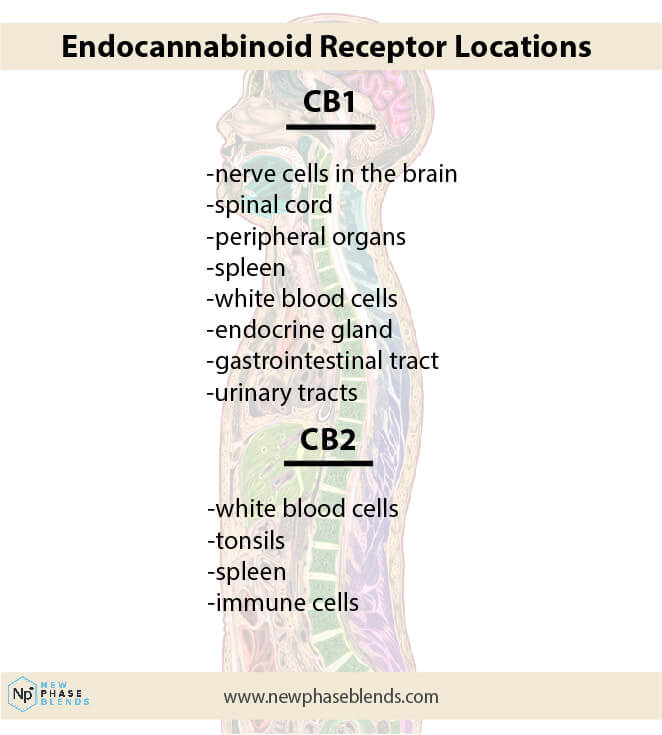
Because everyone’s ECS is unique — shaped by genetics, lifestyle, stress, and prior cannabinoid exposure — the same dose of CBD can produce very different effects from person to person. This individual variability is the core reason there is no universal recommended dose.
Factors That Affect Your Ideal CBD Dose
Before calculating a starting dose, it helps to understand the variables that influence how much CBD you’ll need:
- Body weight — Heavier individuals generally require more CBD to achieve the same effect as someone lighter.
- Condition severity — Mild daily stress requires far less CBD than chronic pain or severe sleep disruption.
- Product potency — A 3,000mg oil and a 300mg oil are very different; always calculate by milligrams of CBD, not by dropper volume.
- Bioavailability — Sublingual oils absorb more efficiently than edibles. Roughly 3–6x more CBD reaches your bloodstream via drops under the tongue compared to capsules or gummies.
- Your metabolism — Faster metabolizers may need more frequent dosing; slower metabolizers may find effects last longer.
- Prior CBD experience — New users tend to be more sensitive; seasoned users often need higher doses over time.
- Other medications — CBD can interact with certain drugs metabolized by the liver’s CYP450 enzyme system. Consult your doctor if you take prescription medications.
A Simple Starting Formula: Dosing CBD by Body Weight
The most widely used starting point for CBD dosing is based on body weight. Here’s a simple framework:
- Low dose: 1 mg of CBD per 10 lbs of body weight
- Medium dose: 2.5 mg of CBD per 10 lbs of body weight
- High dose: 4 mg of CBD per 10 lbs of body weight
Example: A 160 lb person starting at a medium dose would take approximately 40 mg of CBD (160 ÷ 10 = 16 × 2.5 = 40 mg).
Always start at the low end of this range and increase gradually every few days until you notice the desired effect. If you experience side effects — such as mild drowsiness, digestive upset, or lightheadedness — reduce your dose and hold steady for a few days before adjusting again.
CBD Dosage by Product Form
How you take CBD matters as much as how much you take. Different delivery methods have significantly different absorption rates:
- CBD oil / tincture (sublingual): Place drops under the tongue and hold for 60–90 seconds before swallowing. This bypasses the digestive system and delivers CBD directly to the bloodstream via the sublingual vein, resulting in faster onset (15–45 minutes) and higher bioavailability.
- CBD gummies and capsules: These pass through the digestive system first, meaning onset is slower (45–90 minutes) and overall absorption is lower. The dose on the label is pre-measured, making them convenient and easy to track.
- CBD balms and topicals: Applied directly to the skin, topicals don’t enter the bloodstream — they work locally. There’s no complex math here; apply a dime-sized amount to the affected area and assess results after 20–30 minutes.
Because of bioavailability differences, if you’re switching from gummies to an oil, you may find that a lower milligram dose produces a comparable effect.
CBD Dosage for Specific Conditions
While individual results vary, these ranges reflect commonly reported and studied dosages for specific goals:
CBD Dosage for Anxiety
Research on CBD for anxiety suggests that doses in the range of 25–75 mg per day may help reduce generalized anxiety symptoms. A 2019 study published in The Permanente Journal found that 79% of participants experienced reduced anxiety scores within the first month using CBD at an average of 25 mg/day. Start at 25–33 mg and adjust based on your response over 1–2 weeks.
CBD Dosage for Sleep
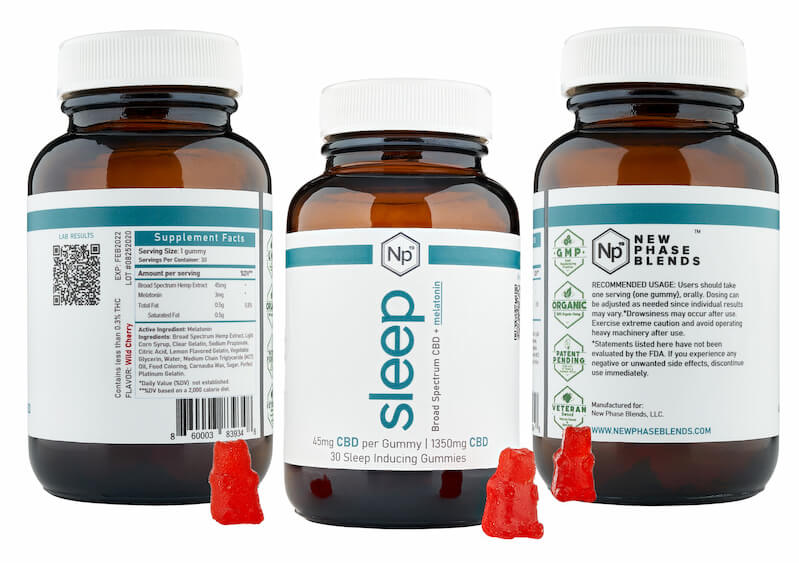
For those interested in taking CBD for sleep, higher doses in the 50–100 mg range are more commonly associated with sedative-like effects. At lower doses, CBD tends to be mildly alerting. If sleep is the goal, taking CBD 30–60 minutes before bed and combining it with melatonin is a popular approach that may improve both sleep onset and sleep quality.
CBD Dosage for Pain
Pain management typically requires doses at the higher end of the medium-to-high range — often 20–50 mg per day for general discomfort, and potentially higher for chronic or neuropathic pain. Topicals can complement oral CBD for localized pain, particularly for joint and muscle soreness.
How to Verify CBD Quality Before You Buy
The potency listed on a CBD label is only as reliable as the testing behind it. Because the CBD industry is still loosely regulated, the actual CBD content in some products can vary significantly from what’s stated. Before buying any CBD product, look for a certificate of analysis (COA) from an independent third-party lab testing facility. A good COA will confirm the actual cannabinoid content, show that THC is within legal limits (0.3% or less), and screen for pesticides, heavy metals, and residual solvents.
At New Phase Blends, every product includes a QR code that links directly to its most current COA — so you can verify exactly what you’re getting before it enters your body.
Summary: Finding the Right CBD Dose Takes Time
There is no single correct dose of CBD that works for every person. The best approach is to start low based on your body weight, use a consistent, high-quality product, and make gradual adjustments over time while tracking your results. Most people find their sweet spot within 2–4 weeks of consistent use.
If you’re ready to get started, browse our full CBD and supplement product lineup — every product is third-party tested, clearly dosed, and made with pure, organic hemp-derived CBD.
Frequently Asked Questions
How do I dose CBD gummies?
CBD gummies are designed for simple, consistent dosing — one gummy equals one serving. Check the label for milligrams per piece, then use the body weight formula above to determine whether that dose falls in your target range. Avoid products that require 4–6 gummies per serving, as that usually indicates an underdosed product.
Can you take too much CBD?
CBD has a strong safety profile. Studies have administered doses as high as 1,500 mg per day without serious adverse effects. That said, very high doses can cause drowsiness, diarrhea, changes in appetite, or elevated liver enzymes. If you experience any of these, reduce your dose. You cannot fatally overdose on CBD, but higher isn’t always better — more CBD doesn’t linearly equal more benefit.
How long does CBD stay in your system?
CBD is detectable in blood for approximately 8 hours after a single dose. With regular use, it can accumulate in fatty tissues and remain detectable for days to weeks, similar to THC. However, CBD itself does not typically trigger a positive result on standard drug tests, which screen for THC metabolites — not CBD.
Is it safe to take CBD every day?
For most healthy adults, daily CBD use appears to be well tolerated. Consistent daily dosing also helps maintain steady CBD levels in the body, which many users find more effective than sporadic use. Always consult your doctor before beginning any daily supplement regimen, especially if you have existing health conditions.
Does CBD get you high?
No. CBD is non-intoxicating. Hemp-derived CBD products sold legally in the U.S. must contain 0.3% THC or less — far too little to produce psychoactive effects. CBD does not bind to brain receptors the same way THC does and will not impair judgment, coordination, or cognitive function.
Should I take CBD with food?
Taking CBD with a meal — particularly one containing fat — can significantly improve absorption. A 2019 study found that oral CBD bioavailability increased by up to 4x when taken with a high-fat meal compared to on an empty stomach. This is worth considering if you’re using capsules or gummies and not getting the results you expected.


