

CBD, or cannabidiol, is a non-psychoactive chemical found largely in the hemp plant. Several recent studies have indicated that it may be able to relieve the symptoms of anxiety. Using CBD pills for anxiety has therefore become quite popular.
Generalized Anxiety Disorders and PTSD
Multiple studies have been conducted, looking at CBD as both a standalone PTSD treatment and a supplement to back up traditional treatments. Unlike THC, CBD does not induce the high that marijuana induces because the psychoactive chemical (THC) has been removed from the product extract.
CBD pills may benefit social anxiety (SAD) and post-traumatic stress disorder (PTSD) and could help with sleep-induced insomnia.
Other studies have shown that CBD reduces stress levels in anxious rats. The rats became much calmer while taking part in the trial. CBD works to accomplish this by attaching to one of the many receptors throughout the body and is thought to affect CB1 receptors in the brain. There is still research being done to figure out the specifics of this action, though.
CBD Pills for Anxiety
Anxiety is a condition where it is impossible to stop worrying, making it quite hard to treat the general disorder. Stress and feeling anxious are natural responses, but to feel anxious all the time is not normal. One in three women and one in five men experience anxiety.

If anxiety has become a constant in your life it is time to do something about it. People with anxiety worry not only about what might happen, but what is happening, and what is about to happen.
Related: How Much CBD I Take For Anxiety?
Anxiety disorders are much more prevalent in today’s society affecting around 40 million adults in the US.
How to Take CBD Pills for Anxiety
Related: CBD Oil Capsules
The main advantage of CBD pills is that they work pretty quickly (within about 30 minutes). It can take a little bit of trial and error to find the right dose. Once you adjust the right dose for yourself, you will feel much more in control of your life.
Start with taking one of our 45mg CBD softgels. This is typically a good dose for most adults. The CBD pill should help your anxiety symptoms for several hours.
As a side note, pills and gummies work for anxiety in a similar time frame. Some people prefer the CBD gummies, some prefer the pills.
The benefits of CBD appear to have wider implications affecting mood, appetite, and sleep. Because CBD has little or no side effects, drugs like serotonin inhibitors for anxiety, although they lift the mood, do have side effects, which makes CBD a natural choice.
- Many people enjoy using CBD pills for anxiety
- Start with a low dose and gradually increase
- If you need quick relief, consider using CBD oil drops under the tongue
Should you speak to your doctor about CBD use for your anxiety, they will be able to help you to determine the right dose and type of CBD product.
Discover: The Best CBD Gummies for Anxiety
There are many different ways to take CBD, with pills and CBD oil tinctures being among the most popular methods.
What Dose of CBD Pills for Anxiety is Needed?
Talk to your doctor, as over-the-counter CBD products are not going to be able to completely change the reasoning behind your anxiety attacks. That said, what CBD can do is help you better manage the discomfort from your anxiety while you work with a healthcare professional to figure out why they are happening, and how to permanently stop them.
Additionally, some people require prescription medications to manage your symptoms. Researchers found that an oral dose of 300 mg reduced anxiety in public speakers. CBD is considered safe, and usually, people taking it don’t have side effects.
Everyone may experience different effects with different doses of CBD, so there will likely be a trial and error period for new users.
How Do CBD Pills Work for Anxiety?
After taking CBD, blood flows to different areas of the brain acting as an anxiolytic agent, or an agent or drug used to treat anxiety. Studies on CBD suggest that the receptors in the Amygdala – a part of the brain governing emotions and fight or flight response is calmed by the use of CBD.
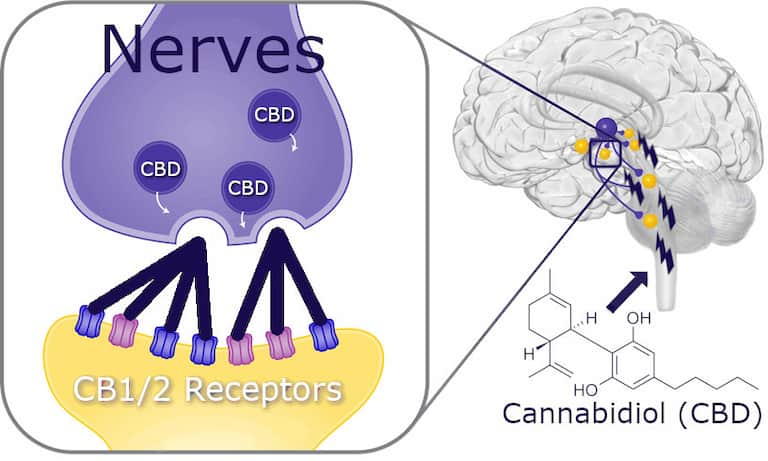
The area of the brain becomes less excitable leading to a reduced response to anxiety.
Evaluating the dose given through a measured CBD pill for anxiety is far more exacting than putting a few drops of CBD oil under the tongue and in order to evaluate the evidence we require an exact dose to be given.
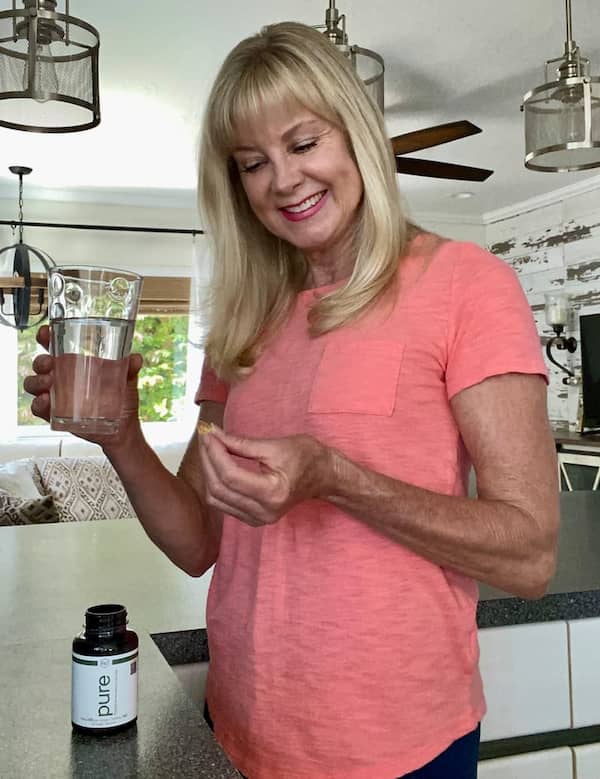
Some people do say that CBD makes them sleepy, but this is a minor side effect and the dose can be adjusted accordingly, and is a small price to pay for feeling less anxious.
What Types of Anxiety Will CBD Pills Help With?
As you may know, anxiety is a monster that comes in many different forms. Different forms of anxiety bring about slightly different symptoms, even though all of them are horrible to deal with. Here are a couple of forms of anxiety that CBD may excel in treating:
Treating Social Anxiety
Traditionally many people treat this type of anxiety by self-medicating with alcohol. This can be dangerous and damaging to health, as well as have debilitating side effects. Using CBD is a much better option as long as you buy a high-quality brand and avoid the cheap junk on the market.

Some trials were carried out on children suffering from PTSD or post-traumatic stress disorder. The children had been suffering from terrible nightmares following kidnapping attempts and abusive situations.
Small amounts of CBD were given to the children before bedtime, after a few days they were able to have a restful night’s sleep without waking up screaming, and reliving their fears.
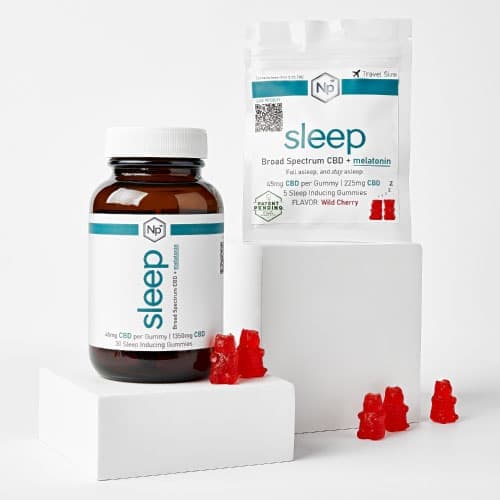
Calming anxious people can be very wearing both for the victim and the family who would be very relieved that there is a simple, natural medication to get their loved one back on track.
Anxiety in Seniors and Older Adults
Related read: CBD for Seniors
Often, older people verging on dementia enter a state where they are particularly agitated and anxious, CBD might be just the medication needed to keep them calm and enjoying the rest of their life.
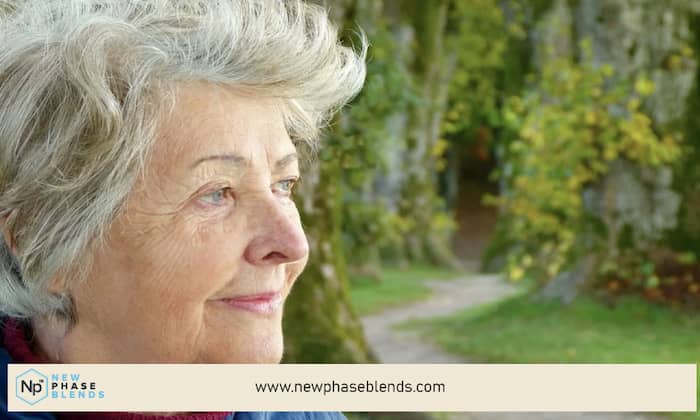
Other times, purely the act of just ‘getting older’ can bring about severe anxiety in people. The latter part of your life can be extremely stressful and anxious, because we are beginning to wind down into retirement – which is a massive change.
Can CBD Capsules Cause Anxiety?
Of all the known side effects of taking CBD, causing anxiety is not one of these. People actually use CBD to prevent anxiety, not cause it.
Related: CBD or THC for Anxiety?
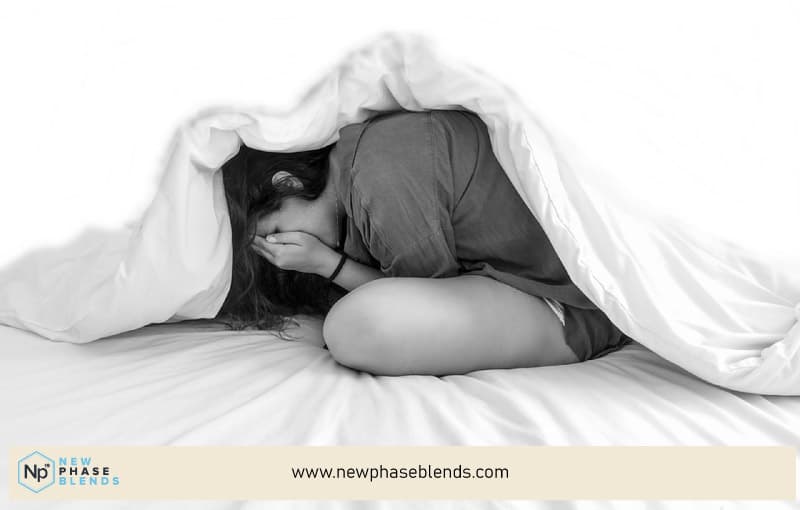
The rumor that CBD can cause anxiety may have started because people just assume it is like THC. CBD and THC could not be more different. Sure, they both come from cannabis, but that’s about the only similarity.
THC can cause feelings of anxiety and paranoia, but CBD will not.
Best Time to Take CBD Pills for Anxiety
The best time to take CBD depends on a few different factors, and what you are looking to do.
If you are using it for anxiety attacks, you can wait until you feel an anxiety attacking coming up before taking and CBD pills.
Alternatively, you can be proactive and take CBD pills throughout the day in order to prevent the anxiety attacks from occurring. Most people will take a 40 mg CBD pill by New Phase Blends two to three times, spaced throughout the day for best results.
Where to Buy CBD Oil Pills
You can buy CBD products almost anywhere now, but you need to be sure that you are buying from a reputable source. I’d stay away from gas stations and convenience stores, because a lot of the CBD sold there is very poor quality, or even fake in some cases.
Sticky with reputable brands and online CBD stores. Call them, ask about their products, and see if they are a good fit for you and your needs.
Since the introduction of the Farm Bill (2018), CBD pills and other similar products are now widely available to purchase, and it is completely legal to do so.
Summary – Using CBD Pills for Anxiety
Taking CBD pills for anxiety are an excellent way to use hemp-derived CBD products, because the dose is measured and exact.
People who take the oil from a tincture can struggle with finding out how much they are taking in a dose. Smokable CBD items are generally unsafe, even though they work quickly. The side effects of vaping and smoking are quite real.
With the fast pace of life, anxiety will only likely increase and sadly we are not all resilient enough to deal with this increase.