

Restless Legs Syndrome (RLS) affects around one in 10 Americans. Many RLS patients are looking for ways to alleviate symptoms of this disease. Some are turning to CBD oil products and medical cannabis to treat this condition.
Research shows that CBD oil works as a possible way to treat pain, even chronic pain associated with RLS. However, additional research and more evidence are needed to fully support CBD oil can help the many RLS sufferers battling daily pain.
As more scientific studies are completed, especially on humans, CBD oil as a treatment may one day help improve the quality of life for RLS patients in the future.
What is Restless Legs Syndrome?
Restless legs syndrome (RLS), also known as Willis Ekbom Disease, is a neurological disorder that causes abnormal and painful sensations in the legs. Those with this type of neurological disorder develop an uncontrollable urge to constantly move the legs due to the painful sensations they experience.
Many RLS sufferers experience these unpleasant sensations later in the day, with symptoms worsening at night. RLS symptoms typically wake people up from sleep, and the painful sensations prevent people from going back to a sound sleep.
It is believed that these symptoms get worse if you are inactive and through prolonged periods of sitting and stress. Walking or moving the legs with exercise helps relieve the symptoms.
Discover: CBD Oil for Stress
To date, there is no known cause for RLS. However, an International Journal of Environmental Research and Public Health study from 2020 suggests certain factors may contribute to RLS.
Kidney disease, genetics, and unbalanced neurotransmitters levels in the brain are also possible causes of restless leg syndrome.
How is Restless Legs Syndrome Commonly Treated?
If left untreated, RLS will affect a person’s quality of life. Restless legs will keep you up at night, adding to your fatigue throughout the day, affecting your daily routine. When sleepless nights happen, other systems in the body start to break down, and things like mood swings, concentration, memory, attention are all affected.

RLS and poor sleep can lead to depression and anxiety without proper medical care.
One of the few ways to treat RLS requires uncovering the underlying causes to get to the root problem behind the condition. Even if you cannot determine the underlying cause of RLS, you can still alleviate its symptoms.
Related: CBD Oil for Parkinson’s
You can start by making necessary lifestyle and dietary changes. Some of these include:
- Dietary changes. Cut out inflammatory foods.
- Follow a regular exercise program.
- Develop better sleep habits.
- Take frequent warm and soothing baths.
- Avoid caffeinated beverages like coffee and soda.
- Stop smoking and consuming alcohol.
A doctor may also suggest medications such as:
- Muscle relaxants to control muscle cramps or spasms.
- Sleep medicine to remedy sleepless nights or insomnia.
- Painkillers to help ease severe or chronic pain.
- Anticonvulsant or anti-seizure drugs.
- Drugs like rotigotine and ropinirole that block dopamine receptors (called dopamine agonists).
One thing to note is that, according to medicine reviews, these drugs do come with some short-term side effects, including dizziness, nausea, and fatigue. There is also anecdotal evidence that indicates a drug treatment may create dependence or a drug tolerance for certain drugs.
When a drug tolerance occurs, it may require increasing doses for the patient over an extended period to feel the lessening effects of the drugs. However, doing this for the long term may also worsen RLS symptoms.
On the other hand, CBD oil is regarded as a relatively safe, nonpsychoactive, and nontoxic substance that may help with RLS symptoms. Even though cannabis efficacy has yet to be approved as a treatment for RLS, many CBD users stand by CBD’s ability to ease restless legs syndrome.
To understand how CBD works, we first have to look at the endocannabinoid system and how it functions with the introduction of CBD.
The Body’s Endocannabinoid System and Restless Legs Syndrome
The endocannabinoid system (or ECS) plays a part in the many psychological functions of the human body. It helps regulate appetite, stress, and pain associated with inflammation. This system has three main components: endocannabinoids, cannabinoid receptors (CB1 and CB2), and also enzymes that help degrade the endocannabinoids.
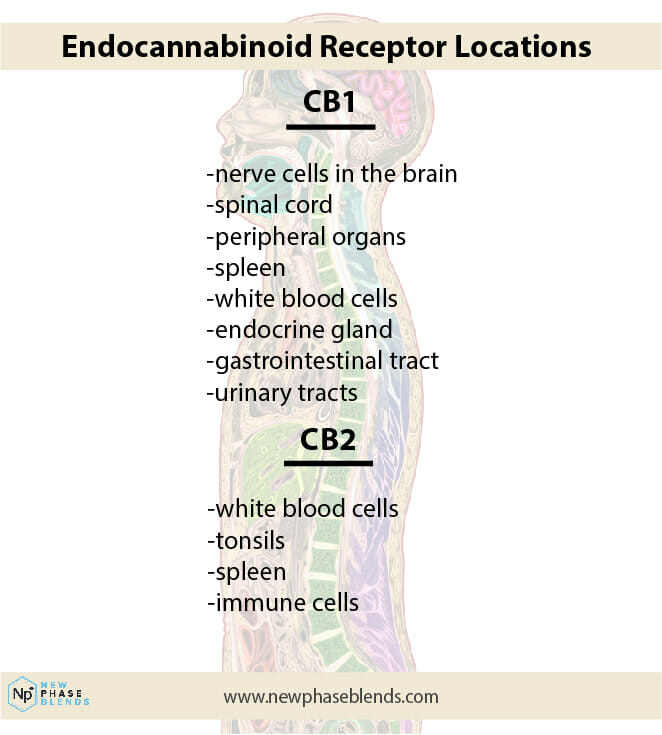
The cannabinoid receptors (CB1 and CB2) are found in every part of the body. However, most CB1 receptors are located in the brain and spinal cord.
This is why these receptors easily modulate many psychological functions like appetite, memory, fear, anxiety, pain, sleep, and sensory and motor responses after they become activated in this system.
CB2 receptors, however, are located mainly in the immune system. When they are activated, the result is decreased inflammation. The endocannabinoid’s primary function is to balance the different chemicals within the body.
However, when pain, disease, and infection occur, the ECS’s balance is affected, and symptoms are felt. When left untreated, an unbalanced ECS may start to malfunction.
People with RLS develop lower levels of dopamine or abnormally increased dopamine synthesis within the body. This affects the brain’s ability to control the motor movements of the limbs. The result is painful cramps and muscle spasms.
The movement disorders, dizziness, fatigue, and joint pain associated with RLS can be linked to iron deficiency. Iron supplements may help remedy symptoms.
Studies suggest that symptoms of RLS become worse when the body is experiencing inflammation due to chronic pain. It affects the dopamine and iron levels in the brain.
There has not been enough research to study the effects of the endocannabinoid system end RLS. Still, it has been implied that multiple sclerosis, Parkinson’s disease, and Huntington’s disease result from an impaired endocannabinoid system. CBD and medical cannabis may assist this system and the functions of repair, healing, and easing pain and inflammation.
Studies have shown that Parkinson’s disease patients responded well to being given CBD. Since the effects of the cannabis plant compound CBD administered for this medical condition showed promise, it was suggested that CBD might be beneficial for RLS.
What are the Effects of Taking CBD for Restless Legs Syndrome?
CBD is the non-psychoactive cannabinoid from the cannabis plant (Cannabis Sativa) that may contain several healing properties. Peer-reviewed studies from academic institutions and medical associations have discovered CBD works by binding itself to the cannabinoid receptors. It produces therapeutic effects that ease pain, inflammation, anxiety, and depression when this happens.
Here are ways in which CBD may help ease the symptoms of RLS:
CBD for Pain
RLS and pain seem to go hand-in-hand. Sufferers have described the painful sensation of RLS as a throbbing, crawling pain that pulls inside the legs. Some even claim that it feels like electric shocks coupled with internal itchiness. This pain creates movement disorders, leg shakes, and possible sleep problems.
CBD has been shown to produce strong analgesic effects as it binds to receptors that play a part in controlling pain response in the body. The CBD attaches to the receptors, so the cells cannot emit any pain-generating compounds.
CBD also stimulates cells so that they reabsorb those pain-generating compounds while reducing the experience of pain in your system. In short, you don’t experience high levels of pain.
CBD for Inflammation
Related read: Is CBD an Anti-Inflammatory?
Inflammation as a result of chronic pain can play a role in developing symptoms of RLS. Still, it may also contribute to decreased dopamine and iron levels in the brain, chronic fatigue, and pain.
CBD’s anti-inflammatory properties activate the cannabinoid receptors, which ease pain in the body, but it does much more.

This activation creates apoptosis (cell death) of the immune cells. These cells stop sending signals to call for backup immune cells to the inflammation caused in a specific area. CBD seems only to affect those abnormal immune cells while protecting the healthy cells.
CBD for Neurological Disorders: Stress, Anxiety, and Depression
People who are dealing with the effects of RLS are at a higher risk of also dealing with stress, depression, and anxiety. People may also experience panic disorders. CBD may reduce stress and anxiety levels and help improve the symptoms created by depression.
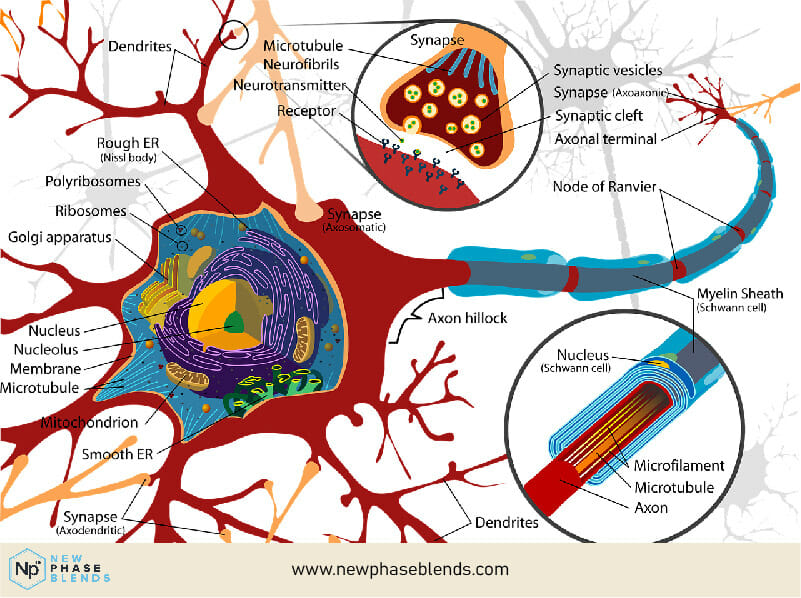
It does this by stabilizing abnormal neurotransmitter levels of the brain, making a person think more calmly and clearly.
CBD for Sleep
One of the main problems RLS creates is poor sleep, as the painful sensation in the legs keeps the person up at night. Muscle aches, pains, and twitches can even wake a person up from a sound sleep. The result is sleep deprivation that impacts the overall health of the individual.
CBD helps relieve several symptoms of RLS. One of the symptoms is how CBD helps improve sleep. Patients with restful sleep tend to operate more efficiently throughout the day and experience fewer moments of anxiety and depression.
Using CBD for Restless Legs Syndrome
There is not enough anecdotal evidence to support using CBD to alleviate RLS symptoms. However, one study indicated that taking a sublingual CBD tincture (under the tongue) generated a better night’s sleep.
What is the Best CBD Dose for Restless Legs Syndrome?
Dosing for CBD is not a “one size fits all” solution. Many factors affect the dosage. Tinctures that use an eyedropper application don’t always produce the same dose each and every time. Capsules and gummies tend to offer a consistent dose, but the recommended dose may not be ideal for you.
The best way to find out what dose of CBD works for you is to start with a relatively low dose. Slowly work your way up to a dose where you feel the effects. If the effects become too overpowering, fall back to the previous dose.
The best advice will come from your GP. Speak to a medical professional before you begin any new supplement or change in your diet. CBD may not be ideal for you, and in some cases, there have been negative side effects reported.
To find your ideal CBD dose, a good rule of thumb is to follow this simple rule:
- If you’re experiencing mild symptoms or require a low-strength CBD, taking 1 mg of CBD for every 10lb of body weight is recommended.
- If you’re experiencing moderate symptoms or require a medium-strength CBD, it is recommended to take 3 mg of CBD for every 10lb of body weight.
- If you’re experiencing severe symptoms or require a high-strength CBD, it is recommended to take 6 mg of CBD for every 10lb of body weight.
How to Choose the Best CBD Product?
The world of CBD can be very confusing. With so many companies online with CBD products for sale, finding reputable sources might be challenging. There are a few factors to consider when shopping for CBD for the first time.
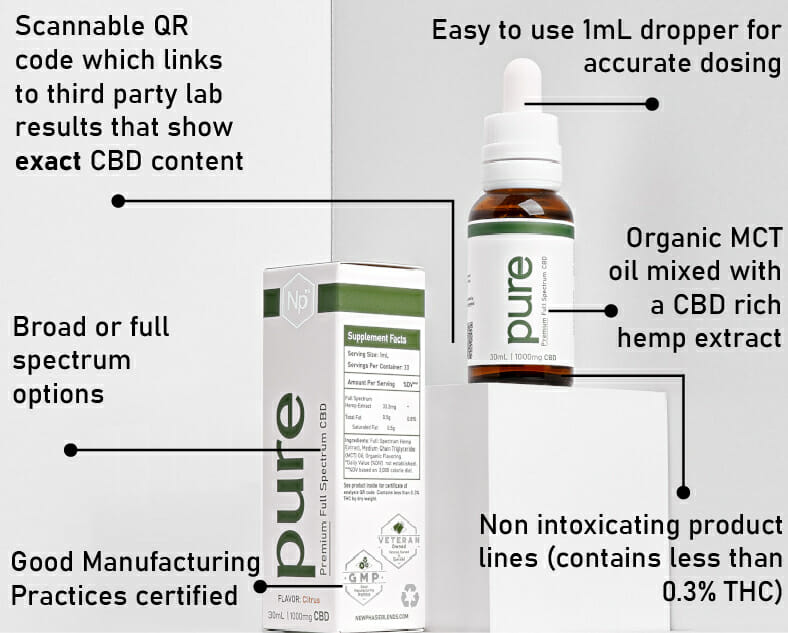
Look for a reputable company that offers a COA (Certificate of Analysis) and has third-party testing by an independent lab. New Phase Blends provides this and so much more. Our products are made with organic hemp material, and we don’t use any artificial ingredients or harsh chemicals. It’s an all-natural CBD experience!
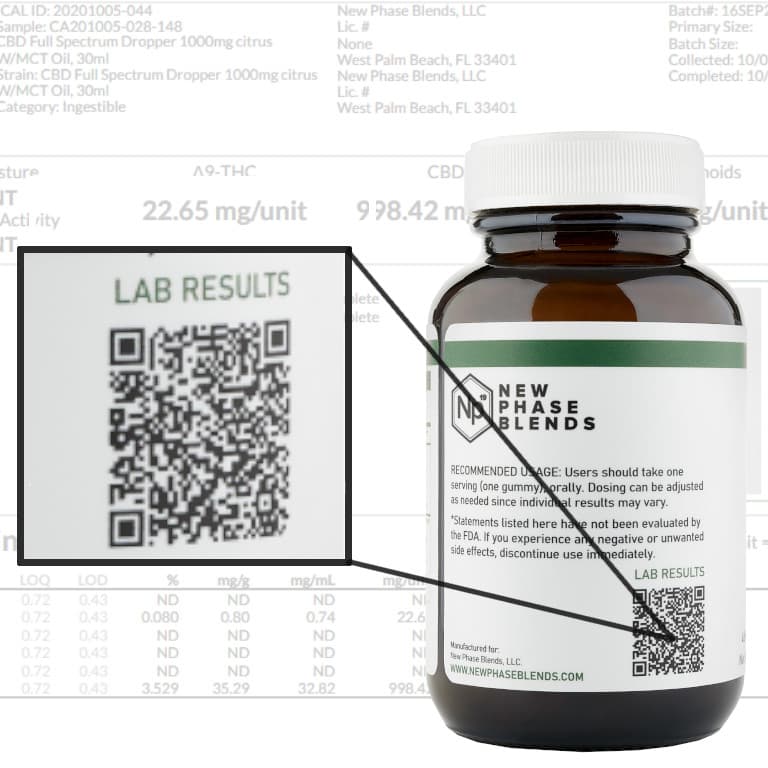
All this information is available through the COA, printed on the label, and available online on the product page. The COA contains all of the information about the product, such as purity and potency.
CBD Gummies For Restless Leg Syndrome
CBD gummies may offer a potential alternative for individuals seeking relief from Restless Leg Syndrome (RLS) symptoms. These edible products, infused with cannabidiol (CBD), could help alleviate pain and muscle spasms associated with RLS.
However, scientific research on the efficacy of CBD gummies for the treatment of Restless Leg Syndrome is limited, and more studies are needed to establish a clear connection. Before using CBD gummies for RLS, it is crucial to consult with a healthcare professional to discuss symptoms, potential interactions with other medications, and appropriate dosage.
CBD Source and Extraction Process
New Phase Blends’ organic hemp is sourced from US farms. This means you get a quality product free of pesticides and artificial fertilizers. Since our hemp is grown in the US, it supports local US farmers and keeps the local economy growing.
We use a CO2 extraction method to get our CBD oil. CO2 extraction is a cleaner method that doesn’t involve any solvents like alcohol, butane, or ethanol to extract the CBD. The CO2 extraction method results in a pure, residue-free form of CBD.
CBD’s Legal Status
The 2018 Farm Bill made industrial hemp legal through the US federal level. It became legal to grow, cultivate, manufacture, and sell the leaves, stalks, flowers, extracts, cannabinoids such as CBD and THC. However, only products that contain 0.3% THC (the psychoactive compound found in cannabis plants) or less are legal. Anything above 0.3% THC is illegal under federal laws.
Related read: Is CBD Legal In the United States?
One thing to consider is that even though CBD is legal on a federal level, not every state has legalized CBD. Some states have outlawed the growing, cultivating, selling, and consuming CBD products. Check your local state laws to see if you can purchase CBD.
If you live in a state that does allow CBD, you’ll have no restrictions on the amount of hemp-derived CBD products you can possess.
Types of CBD
When choosing CBD products to help combat RLS symptoms, anxiety, or any other disorder, you’ll encounter three main types of CBD products. These include:
- CBD Isolate oil – The purest form of CBD containing only CBD and no other cannabinoids, flavonoids, or terpenes.
- Broad-Spectrum CBD oil – This form of CBD contains all the flavonoids, terpenes, and cannabinoids, including THC, but in trace amounts.
- Full-Spectrum CBD oil – This form of CBD contains everything like the Broad-spectrum type does. The only difference is that a full-spectrum CBD product can contain up to 0.3% THC instead of just trace amounts.
All of these are considered beneficial forms of CBD. However, a full-spectrum product has many CBD users claiming it provides the most benefits because it uses all the plant material and has the most compounds. This is called the “entourage effect” – when everything from the plant works together to provide the most therapeutic effects for conditions like restless legs.
Forms of CBD
CBD comes in a variety of forms. From edibles to vapes and more. Each one delivers different methods of CBD to your system, and not all are created equal. The goal is to find a product that works best for you, especially for conditions like RLS, anxiety, depression, or chronic pain. The most common forms of CBD products available are:
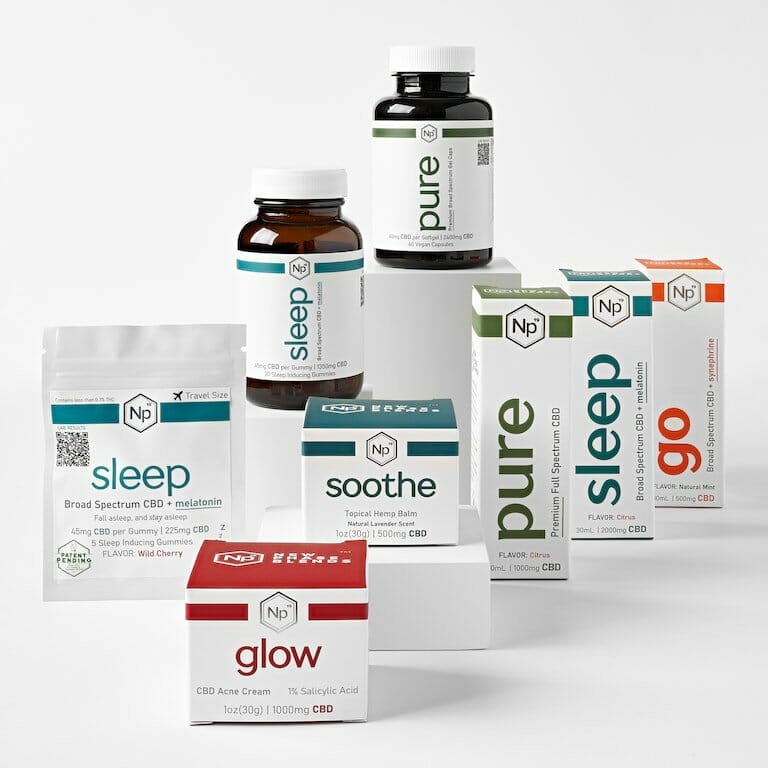
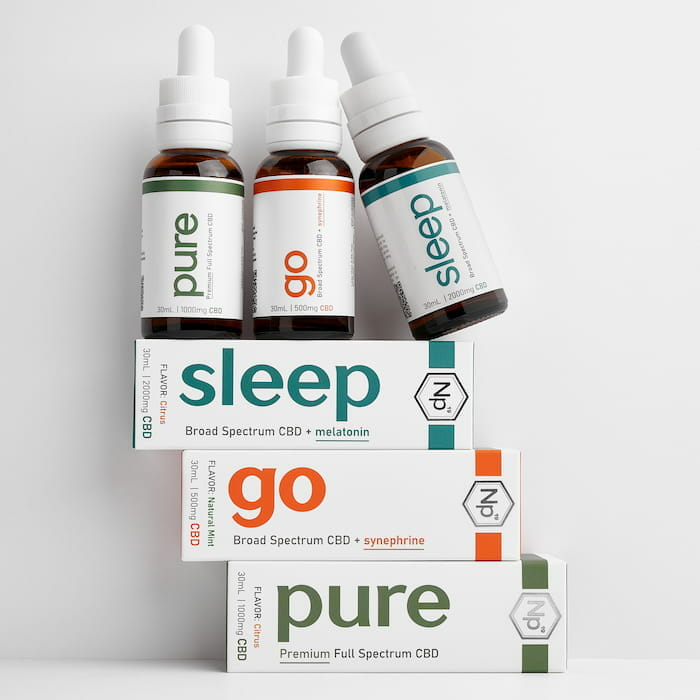
- Tinctures – Taken sublingually (under the tongue), these products are claimed by many to be the best CBD oil form and provide the quickest effects. However, the earthy, grassy taste might not be for everyone.
- Capsules – Also taken orally; however, capsules don’t have any taste. You won’t feel the effects immediately as they have to make their way through the digestive system before entering the liver and into the bloodstream. To minimize the time before the effects can occur, take on an empty stomach before eating.
- Edibles – Available in cakes, cookies, bars, and the most popular form, a gummy, this is a tasty way to ingest CBD. These products have to be digested like capsules, which means the effects will take some time before they kick in.
- Vaping – Inhaling is another quicker method for feeling the effects of CBD. However, vaping has been getting negative attention due to possible health concerns.
- Topicals – This CBD product is available as a lotion, cream, balm, or salve and is applied to the skin to help ease the pain of a specific area of the body. This product also offers a slow release of CBD and is best used for RLS symptoms in isolated areas where pain and inflammation occur.
Related: CBD for Back Pain
Summary – Cannabis Oil for Restless Legs Syndrome
Since there is no concrete study that solely focuses on CBD for RLS, it is difficult to make any solid assessment of its therapeutic properties to ease the symptoms of this medical condition. But other CBD studies involving pain have shown evidence suggesting this cannabinoid contains many pain-relieving properties. It is indicated that CBD may help relieve RLS symptoms such as pain, spasms, and sleep quality.
Even though CBD has many properties that may relieve RLS symptoms, you should speak to your doctor. They will know if taking CBD will be helpful for your specific condition, especially if it will help with chronic pain or the unpleasant sensations felt in the legs.
If you decide to take CBD for restless legs syndrome, speak to the fine folks at New Phase Blends. We’re here to answer any questions you may have about CBD products and our process to bring you the highest quality CBD products available.