
CBD (cannabidiol) has gone from a fringe wellness topic to a mainstream supplement in just a few years. With so many people using it for pain, anxiety, sleep, and inflammation, questions about its safety profile are natural — and important. One of the most common concerns new users raise is: is CBD addictive?
This is a completely reasonable thing to wonder. CBD comes from the cannabis plant, which carries decades of association with marijuana and addiction. But once you understand the science of how CBD actually works in the body — and how that compares to substances that do cause addiction — the picture becomes very clear.
TL;DR – CBD is not addictive. The World Health Organization confirmed in 2018 that CBD exhibits no abuse potential and no dependence profile. CBD does not activate the brain’s dopamine reward system, does not produce a high, and users do not experience cravings or withdrawal when stopping use. THC — a closely related but chemically distinct cannabinoid — is what carries addiction risk.
What Is CBD and How Does It Work in the Body?
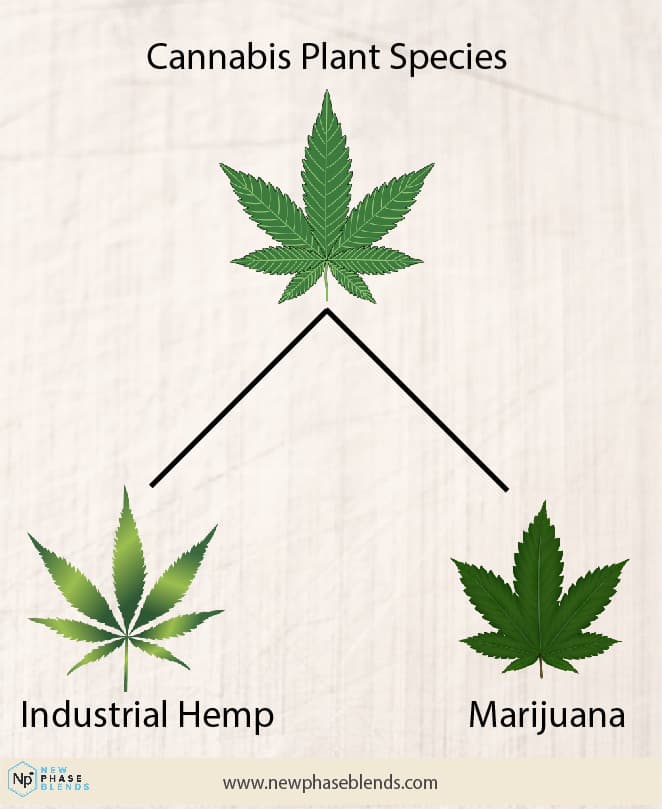
Cannabidiol (CBD) is one of more than 100 cannabinoids found in the Cannabis sativa plant. It is the dominant cannabinoid in hemp — a variety of cannabis that is federally legal in the United States and is legally required to contain no more than 0.3% THC by dry weight. When people talk about CBD products — tinctures, gummies, capsules, balms — they are referring to products made from hemp-derived CBD.
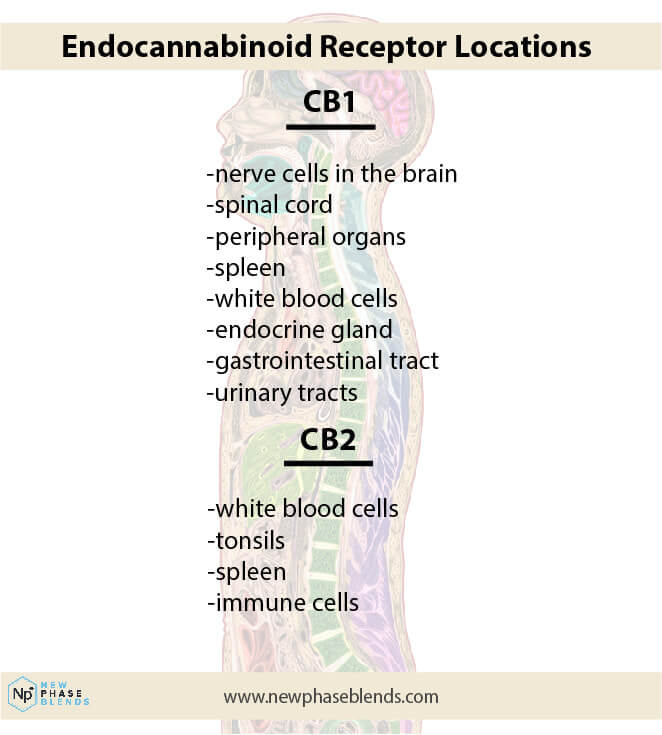
CBD works primarily by interacting with your body’s endocannabinoid system (ECS) — a vast regulatory network made up of cannabinoid receptors, naturally produced cannabinoid-like molecules called endocannabinoids, and the enzymes that break them down. The ECS is involved in regulating sleep, mood, pain perception, immune function, appetite, and stress response. When you take CBD, it doesn’t flood this system with artificial stimulation. Instead, it works in a modulatory way — helping the ECS run more efficiently without overriding its natural function.
This modulatory action is a key reason why CBD doesn’t carry addiction potential. It’s essentially tuning an existing system rather than hijacking it. Contrast this with drugs that produce addiction — opioids, benzodiazepines, alcohol, THC — and you’ll find a very different mechanism at work. Those substances bind powerfully to specific receptors and trigger neurochemical cascades that the brain begins to crave. CBD simply doesn’t do this.
CBD vs. THC: The Chemistry Behind Why One Is Addictive and One Isn’t
To understand why CBD is not addictive, the most useful comparison is between CBD and THC (tetrahydrocannabinol). These two cannabinoids are remarkably similar at the molecular level — they share the same chemical formula and come from the same plant. But a slight structural difference leads to dramatically different effects in the human body.
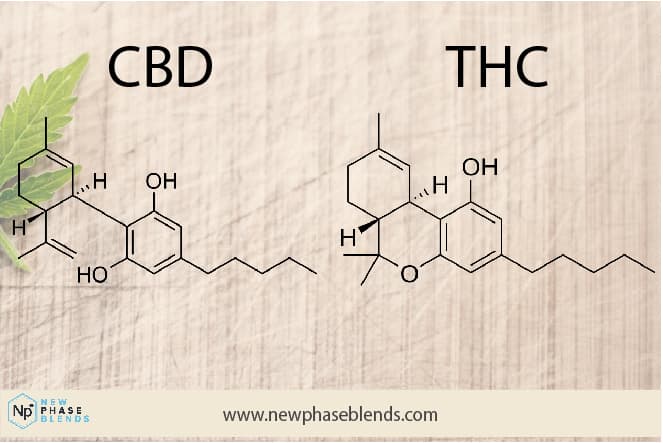
THC binds directly and powerfully to CB1 receptors in the brain — particularly in the nucleus accumbens, the brain’s primary reward center. This binding triggers a significant surge of dopamine, the neurotransmitter most closely associated with pleasure, motivation, and reward. It’s this dopamine surge that produces marijuana’s signature high, and it’s the same mechanism that underlies THC’s addiction potential. The brain learns to associate the substance with reward, begins to crave it, and over time reduces its own natural dopamine production — requiring more of the substance to feel the same effect. This is classical substance dependence.
CBD’s relationship with CB1 receptors is completely different. CBD does not directly bind to CB1 receptors. Research suggests CBD may actually act as a negative allosteric modulator of CB1 — meaning it can reduce the receptor’s response to stimulation rather than enhancing it. This is pharmacologically opposite to what THC does. CBD produces no dopamine surge, no activation of the reward system, no intoxication, and no craving. You can take pure CBD oil and feel absolutely no intoxicating effect — because the mechanism that drives intoxication and addiction is simply not present.
The Endocannabinoid System: Why CBD Supports Rather Than Hijacks
Your body produces its own cannabinoid-like molecules naturally. The most well-known are anandamide (sometimes called the “bliss molecule”) and 2-AG (2-arachidonoylglycerol). These endocannabinoids are produced on demand by your cells and bind to CB1 and CB2 receptors to regulate physiological functions ranging from pain signaling to mood stabilization to immune response.
One of CBD’s primary mechanisms is inhibiting FAAH — fatty acid amide hydrolase — the enzyme responsible for breaking down anandamide. By slowing this breakdown, CBD effectively raises your body’s natural anandamide levels, allowing your endocannabinoid system to function more robustly. This is fundamentally different from what addictive substances do. Rather than introducing an external chemical that overwhelms your receptors, CBD preserves your body’s own chemistry and lets it work more effectively.
This is also part of why stopping CBD doesn’t produce withdrawal symptoms. When people become dependent on substances like opioids or benzodiazepines, the body has down-regulated its own natural neurochemical production in response to the constant external supply. Remove the drug and you’re left with a deficiency — which is withdrawal. Because CBD works with your existing system rather than replacing part of it, there’s no equivalent down-regulation. Stop taking CBD, and your ECS simply continues functioning as it did before.
Additionally, CBD interacts with a wide range of non-cannabinoid receptors — including serotonin 5-HT1A receptors, TRPV1 vanilloid receptors, and adenosine receptors. These broad interactions contribute to CBD’s wellness effects, and none of them are associated with dependence or reward-seeking behavior.
Is CBD Addictive? What the Scientific Evidence Says
The scientific consensus on CBD and addiction is clear and consistent. In 2018, the World Health Organization’s Expert Committee on Drug Dependence conducted a comprehensive review of the available evidence on CBD and concluded that it “does not appear to have abuse potential” and that “there is no evidence of recreational use of CBD or any public health related problems associated with the use of pure CBD.”
This is not a lone finding. The same conclusion has been reached across multiple independent research reviews. No peer-reviewed study has identified CBD as habit-forming or abuse-prone. Users do not develop tolerance to CBD’s effects in the way they develop tolerance to opioids or alcohol. They do not experience cravings. They do not suffer withdrawal syndromes when discontinuing use. These are the hallmarks of a non-addictive substance.
It’s also worth noting what the clinical literature does not find: there are no reported cases of “cannabidiol use disorder” in the medical literature. CBD does not appear in the DSM-5’s criteria for substance use disorders. The American Psychiatric Association does not classify CBD as a substance of abuse. This reflects the real-world experience of millions of people who use CBD regularly without any signs of addiction emerging.
What Actually Makes Substances Addictive?
Understanding why CBD is non-addictive is easier when you understand the neurological basis of addiction. At its core, addiction is driven by a substance’s ability to artificially stimulate the brain’s mesolimbic dopamine pathway — the neural circuit running from the ventral tegmental area (VTA) to the nucleus accumbens (NAc). This is the brain’s reward system, evolutionarily designed to reinforce survival behaviors by releasing dopamine in response to food, social connection, and other natural rewards.
Highly addictive substances — cocaine, heroin, methamphetamine, alcohol, and to a lesser degree THC — all converge on this pathway and cause dopamine release far more intense than any natural reward produces. The brain adapts by down-regulating dopamine receptors, meaning increasingly larger amounts of the substance are needed over time to produce the same effect. Without the substance, dopamine activity is depressed, producing the dysphoria, anxiety, and craving that characterize withdrawal.
CBD does not activate the mesolimbic dopamine system. Multiple preclinical studies have specifically measured dopamine release in the nucleus accumbens following CBD administration and found no meaningful effect. Without the dopamine hijack, the entire addiction cycle has no starting point. This is not a matter of CBD being “mild” — it’s a matter of CBD not possessing the pharmacological profile required to initiate addiction at all.
Could CBD Actually Help with Addiction to Other Substances?
Here’s something genuinely interesting: not only is CBD not addictive, but emerging research suggests it may actively help people struggling with addiction to other substances. Several peer-reviewed studies have examined CBD’s potential role in addiction recovery.
A 2019 study published in the American Journal of Psychiatry found that CBD significantly reduced cue-induced craving and anxiety in individuals with heroin use disorder, with effects persisting for up to a week after administration. Preclinical research has demonstrated that CBD can reduce alcohol-seeking and relapse behavior in animal models. Other studies have explored CBD’s potential to reduce nicotine cravings in human subjects, with some promising early results.
The proposed mechanisms involve CBD’s effects on the amygdala — the brain region central to fear conditioning and craving — as well as its modulation of glutamate and dopamine signaling in the prefrontal cortex. These effects may reduce the emotional salience of drug-associated cues, making it easier for people in recovery to resist triggers without relapse. While this research is still early and CBD should not be used as a primary addiction treatment without medical supervision, it reinforces just how different CBD’s neurological profile is from addictive substances.
Full Spectrum CBD and Trace THC: Is There Any Concern?
One nuance worth addressing directly: some CBD products — specifically full spectrum CBD — retain trace amounts of THC (up to 0.3% by federal law). Does this mean regular use of full spectrum products could gradually create THC dependence?
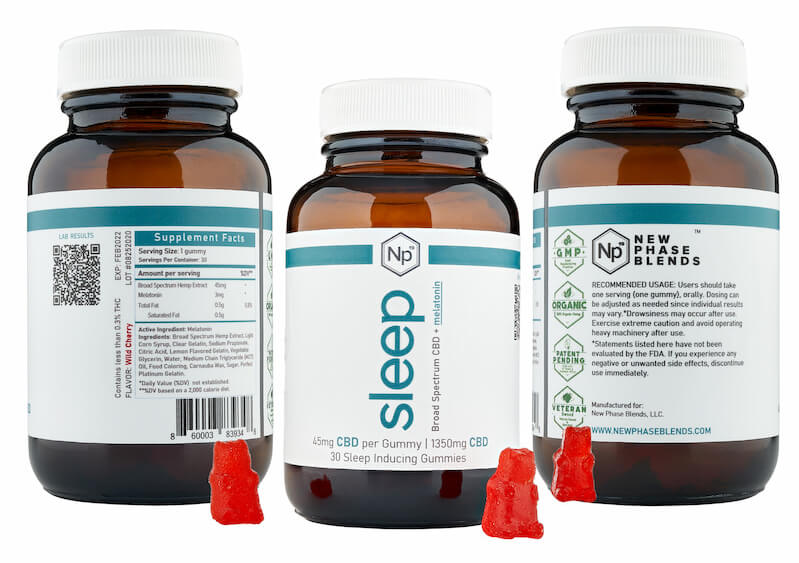
No. At 0.3% THC, a standard serving of full spectrum CBD contains a negligible amount of THC — far below the threshold required to produce any psychoactive effect or initiate an addictive process. The CB1 receptor activation required to trigger the dopamine surge that leads to dependence does not occur at this dose level. For people who want complete certainty that they are consuming zero THC, broad spectrum CBD and CBD isolate products are excellent alternatives that retain all of CBD’s benefits without any THC.
Products like our CBD gummies for sleep and CBD gummies are available in broad spectrum formulations, giving you complete confidence about THC content while still delivering all of CBD’s benefits.
Summary
CBD is not addictive — and this isn’t simply a marketing claim. It’s a scientifically validated conclusion supported by the WHO, independent research institutions, and decades of pharmacological study on cannabinoids. CBD does not activate the brain’s reward pathways, does not trigger dopamine surges, does not create physical dependence, and does not produce withdrawal when stopped. Users don’t develop cravings for CBD, and there is no documented pattern of compulsive use in the clinical literature. If anything, early evidence suggests CBD may help people break addiction to genuinely addictive substances.
If you’ve been hesitant to try CBD because of concerns about addiction, those concerns are not supported by the science. Browse our full range of CBD products to find the format that works best for your needs.
*These statements have not been evaluated by the Food and Drug Administration. These products are not intended to diagnose, treat, cure, or prevent any disease. Consult a licensed physician before starting any supplement program.


