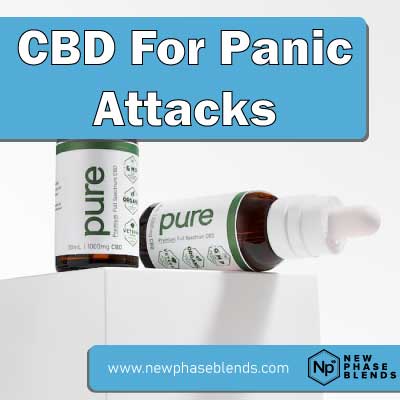
Using CBD to Help Panic Attacks

Search the Blog

Ready to Elevate Your Wellness?

Discover the power of premium supplements designed for relief, relaxation, recovery, and more. Experience the difference today!

Share Post, Share Love

Table of Contents

When panic strikes without warning, your heart races, your chest tightens, and overwhelming fear floods your system. For millions of people living with panic disorder, these terrifying episodes can derail daily life and leave them searching desperately for effective relief. While traditional treatments remain important, many individuals are now exploring whether CBD products and panic attacks management could offer a natural pathway to calmer, more controlled responses to anxiety.

This comprehensive guide examines the growing body of research surrounding CBD’s potential role in managing panic attacks, providing you with evidence-based insights into how this non-psychoactive compound might help calm your nervous system. You’ll discover the science behind CBD’s anxiety-reducing properties, learn practical strategies for incorporating it into your wellness routine, and understand important safety considerations before making any treatment decisions.

As specialists in CBD wellness solutions, we’ve spent years researching the intersection of cannabidiol and anxiety disorders. Our goal is to equip you with accurate, up-to-date information that helps you make informed decisions about whether CBD might complement your existing panic attack management strategies.

Understanding Panic Attacks and Their Impact on Daily Life

Panic attacks are intense episodes of fear that peak within minutes, often accompanied by physical symptoms that can feel life-threatening. These episodes affect approximately 5% of the global population, making panic disorder one of the most common anxiety-related conditions worldwide. The experience typically includes rapid heartbeat, sweating, trembling, shortness of breath, and an overwhelming sense of impending doom.

The unpredictable nature of panic attacks creates a secondary layer of anxiety known as anticipatory anxiety, where individuals constantly worry about when the next episode might occur. This cycle can lead to avoidance behaviors, social isolation, and significant impairment in work, relationships, and overall quality of life.

Current treatment approaches typically involve selective serotonin reuptake inhibitors (SSRIs) as first-line medications, combined with cognitive-behavioral therapy. However, these medications often come with common side-effect profiles and drug interactions that may provoke patients to abandon treatment, leading to symptom relapse. This reality has prompted many individuals to explore alternative approaches, including CBD for anxiety relief.

The Science Behind CBD’s Anti-Anxiety Properties

Recent randomized trials examining commercially available cannabis products have shown that CBD-heavy formulations work surprisingly well for anxiety symptoms without causing intoxication. Understanding how CBD functions in the brain helps explain its potential effectiveness for panic-related symptoms.

CBD in cannabis

How CBD Interacts with Your Brain’s Anxiety Centers

CBD influences multiple neurotransmitter systems involved in anxiety regulation. It acts on more than 65 receptors in your brain, some of which affect your levels of serotonin, a brain chemical that helps control your mood. This widespread interaction helps explain why CBD might provide more comprehensive anxiety relief compared to medications targeting single neurotransmitter pathways.

brain receptors

The compound works through its interaction with the endocannabinoid system, a complex network of receptors and signaling molecules that help maintain balance throughout the body. CBD acts as a partial agonist of the 5HT-1A receptor and provides negative allosteric modulation of CB1 receptors, which may help mitigate anxiogenic effects.

The GABA Connection: Can CBD Calm Nerves?

One of the most significant ways CBD may help with panic attacks involves its influence on GABA, your brain’s primary inhibitory neurotransmitter. CBD oil may help with anxiety through its interaction with CB1 receptors in the brain and, indirectly, through its ability to prevent a decrease in GABA, which functions to calm down brain activity.

When GABA levels drop, anxiety increases and your nervous system becomes hyperactive. Studies suggest that CBD can lessen panic attack severity by modulating brain activity through GABA, creating a sense of relaxation and helping to reduce the frequency of anxiety episodes. This mechanism suggests that CBD could indeed calm nerves by supporting your brain’s natural relaxation systems.

Clinical Evidence: What Research Shows About CBD and Panic Disorders

The scientific community has shown increasing interest in CBD’s potential for treating anxiety disorders, with several important studies emerging in recent years. Cannabidiol has been suggested as an alternative for treating anxiety disorders due to its anti-anxiety properties, particularly for individuals who cannot tolerate traditional medications.

Recent Clinical Trial Results

In one significant study, after the first 2 months of CBD treatment, 78.1% of participants reported improvements in anxiety symptoms, though 19.5% developed worse symptoms after CBD treatment. These mixed results highlight the importance of individual variation in CBD response and the need for careful monitoring when starting any new treatment approach.

Clinical trials of CBD-based products have shown promising results, with some research examining the impact of these products on both anxiety and cognitive function. This dual benefit could be particularly valuable for individuals whose panic attacks interfere with their ability to think clearly and function effectively.

Understanding the Research Limitations

While the current evidence is encouraging, researchers emphasize the need for more comprehensive studies. More high-quality research-based trials are needed to implement CBD-related treatments for anxiety disorders in clinical settings. This ongoing research gap means that while CBD shows promise, it should be considered a complementary approach rather than a replacement for established treatments.

Practical Approaches to Using CBD for Panic Attack Management

If you’re considering CBD as part of your panic attack management strategy, understanding proper usage approaches becomes crucial. The key lies in finding the right product type, dosage, and timing that works for your specific situation.

Choosing the Right CBD Product Format

Different CBD products offer varying onset times and duration of effects, making some more suitable for panic attack management than others. Sublingual tinctures typically provide effects within 15-30 minutes and can be ideal for acute anxiety situations. CBD capsules offer longer-lasting effects but take 30-60 minutes to activate, making them better suited for preventive daily use.

Vaping CBD provides the fastest onset, often within minutes, but the effects are shorter-lived. This format might be useful for immediate panic attack intervention but requires careful consideration of lung health implications. Topical CBD products generally don’t provide systemic anxiety relief, as they don’t effectively cross into the bloodstream.

CBD Products for Sale by New Phase Blends

Dosage Considerations and Safety Guidelines

Starting with the lowest effective dose remains the safest approach when exploring CBD for panic attacks. Most research suggests beginning with 5-10mg daily and gradually increasing until you notice benefits or reach a maximum of 25-50mg per day. Some individuals in clinical studies received up to 175mg daily, but such high doses should only be considered under medical supervision.

Individual factors significantly influence optimal dosing, including body weight, metabolism, severity of symptoms, and concurrent medications. Keep a detailed log of your dosage, timing, and effects to identify patterns and optimize your approach. Remember that some individuals might experience increased anxiety or panic attacks as an adverse effect, particularly at higher doses or due to individual sensitivities.

Potential Benefits and Risks of CBD for Anxiety Relief

Understanding both the potential benefits and risks of using CBD for panic attacks helps you make informed decisions about whether this approach aligns with your health goals and circumstances.

Evidence-Based Benefits for Anxiety Management

The research supporting CBD’s anti-anxiety effects continues to grow, with studies showing measurable improvements in multiple anxiety-related symptoms. Beyond direct panic attack reduction, many users report improved sleep quality, reduced anticipatory anxiety, and better overall stress management. These secondary benefits can be particularly valuable, as poor sleep and chronic stress often exacerbate anxiety disorders.

CBD’s non-intoxicating nature represents a significant advantage over THC-containing products, allowing individuals to maintain clear thinking and normal daily functioning while potentially reducing anxiety symptoms. The compound also appears to have a favorable side effect profile compared to many traditional anxiety medications, with most reported adverse effects being mild and temporary.

Important Safety Considerations and Contraindications

While CBD is generally well-tolerated, several important safety considerations require attention. The compound can interact with certain medications, particularly those metabolized by liver enzymes, potentially altering their effectiveness or increasing side effects. Always consult with healthcare providers before combining CBD with existing medications.

Quality control represents another crucial concern, as the CBD market remains largely unregulated. Products may contain varying amounts of active compounds, potential contaminants, or undisclosed THC levels that could cause unwanted psychoactive effects or complicate workplace drug testing.

Some individuals may experience side effects including fatigue, changes in appetite, diarrhea, or mood changes. Starting with low doses and choosing high-quality, third-party tested products helps minimize these risks while maximizing potential benefits.

Integrating CBD into a Comprehensive Panic Attack Management Plan

CBD works best when integrated into a comprehensive approach to panic attack management rather than used as a standalone treatment. This holistic perspective ensures you’re addressing multiple aspects of anxiety while building resilience against future episodes.

Combining CBD with Traditional Therapies

Cognitive-behavioral therapy remains the gold standard for panic disorder treatment, teaching valuable skills for managing anxiety thoughts and physical sensations. CBD might complement these therapeutic approaches by reducing baseline anxiety levels, making it easier to practice coping strategies and engage fully in therapy sessions.

CBD gummies on display

When used alongside traditional medications, CBD requires careful coordination with healthcare providers to monitor for interactions and adjust dosages as needed. Some individuals find that CBD allows them to use lower doses of prescription medications, though any medication changes should only occur under medical supervision.

Lifestyle Factors That Enhance CBD’s Effectiveness

Regular exercise, consistent sleep schedules, and stress management techniques can amplify CBD’s potential benefits for anxiety relief. Mindfulness practices, in particular, complement CBD’s calming effects by teaching present-moment awareness that can interrupt panic attack cycles before they escalate.

Dietary considerations also play a role, as CBD absorption can be enhanced when taken with healthy fats, while caffeine and alcohol might counteract its calming effects. Creating consistent routines around CBD use helps optimize its effectiveness while building overall stability in your daily life.

Making Informed Decisions About CBD and Panic Attacks

The decision to explore CBD for panic attack management requires careful consideration of your individual circumstances, existing treatments, and personal health goals. While the research shows promise, CBD isn’t a magic solution that works for everyone.

Start by having honest conversations with healthcare providers about your interest in CBD, especially if you’re currently taking medications or have other health conditions. They can help you weigh the potential benefits against any risks specific to your situation and monitor your progress if you decide to proceed.

Consider beginning with a trial period of 4-6 weeks, during which you carefully track your symptoms, CBD usage, and any changes in your panic attack frequency or severity. This systematic approach helps you evaluate whether CBD is providing meaningful benefits and guides decisions about continuing or adjusting your approach.

Remember that managing panic attacks effectively often requires multiple strategies working together. CBD might serve as one valuable tool in your toolkit, but building resilience against anxiety typically involves addressing sleep, stress, physical health, and psychological factors comprehensively.

The growing body of research around CBD and panic attacks offers hope for individuals seeking natural approaches to anxiety relief. While more studies are needed to fully understand optimal usage strategies, current evidence suggests that CBD might indeed help calm nerves and reduce panic attack severity for some people. By approaching CBD use thoughtfully and integrating it into a broader wellness plan, you can make informed decisions about whether this natural compound might support your journey toward better anxiety management and improved quality of life.

Share Post, Share Love

Dale Hewett

Author

Dale Hewett is the owner and founder of New Phase Blends. He discovered his passion for natural supplements use after suffering from injuries sustained while on Active Duty in the US Army. His number one priority is introducing the same products that he himself uses to others who can benefit from them.

Dale holds a Master Degree of Science, and is the inventor of the popular, CBD-based sleep aid known as ‘Sleep.’ He’s given multiple lectures on CBD and other supplements to institutions such as Cornell’s MBA student program, and Wharton’s School of Business.

0
    0
    Your Cart
    Your cart is emptyReturn to Shop
    Scroll to Top