 Author: Dale Hewett
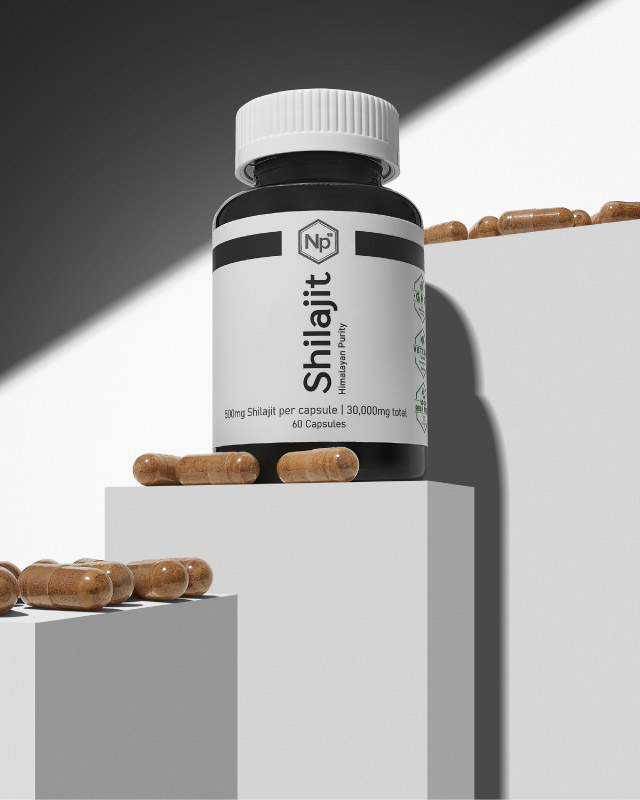
Ever feel like your morning routine needs a serious boost? Many folks across the United States are looking for ways to improve wellness naturally. This ancient Himalayan resin is gaining huge popularity because it supports daily energy levels. Supplements like our daily shilajit capsules make it easy to work into any schedule.
Learning about mineral benefits helps you decide if this supplement fits your specific lifestyle needs. While the organic substance is powerful, people often wonder exactly when they should use it and how much shilajit to take. Finding the best time to take Shilajit ensures you receive the most effective results possible.
One common question involves proper timing that works for your unique daily schedule. Whether you need a spark before hitting the gym or quiet focus at work, the choice matters. Our goal: helping you feel energized and balanced throughout your entire day.
Starting your journey with natural extracts can feel overwhelming at first. However, adding this nutrient-dense supplement to your routine is actually quite simple. Once you understand how it interacts with your metabolism, you can maximize your vitality effortlessly.
Key Takeaways
- Consume on an empty stomach for maximum absorption.
- Morning use provides a natural energy lift.
- Pre-workout consumption boosts physical performance significantly.
- Avoid late-night usage if you are sensitive.
- Consistency leads towards great long-term results.
- Mix with warm water or milk following tradition.
Understanding Shilajit and Why Timing Matters
To maximize the benefits of shilajit, it’s essential to understand its composition and how it interacts with your body. Shilajit is a complex natural substance that has been used for centuries in Ayurvedic medicine. Its effectiveness is attributed to its rich composition of bioactive compounds.
What Is Shilajit and Its Active Compounds
Shilajit is a sticky, tar-like substance primarily composed of humic and fulvic acids, along with a variety of other nutrients and minerals. Fulvic acid is particularly significant as it enhances the bioavailability of nutrients and has antioxidant properties.
The active compounds in shilajit contribute to its potential health benefits, which include anti-inflammatory, antioxidant, and anti-aging effects. Understanding these compounds is crucial for appreciating how shilajit works within the body.
How Your Body Processes Shilajit Throughout the Day
The body’s processing of shilajit is influenced by its circadian rhythm and metabolic state. The metabolism and absorption of shilajit’s active compounds can vary throughout the day due to factors like digestive enzyme secretion and nutrient partitioning.
Research suggests that the body’s natural rhythms can affect how nutrients are absorbed and utilized. For instance, some studies indicate that nutrient absorption is more efficient during certain times of the day.
| Time of Day | Metabolic State | Nutrient Absorption Efficiency |
|---|---|---|
| Morning | Fasted State | High |
| Afternoon | Postprandial State | Moderate |
| Evening | Relaxed State | Variable |
The Science Behind Supplement Timing
The timing of supplement intake can significantly impact its efficacy. The concept of chrononutrition explores how the timing of nutrient intake affects the body’s physiological responses.
For shilajit, understanding the science behind supplement timing involves considering how its active compounds interact with the body’s natural rhythms and metabolic states throughout the day.
Taking Shilajit in the Morning for Energy and Focus
The morning hours offer an ideal window for leveraging shilajit’s energizing properties to tackle daily challenges. By incorporating shilajit into your morning routine, you can potentially experience a significant boost in energy and mental clarity. This ancient Ayurvedic herb has been used for centuries to enhance vitality and overall well-being.
Natural Energy Boost Without the Caffeine Jitters
Shilajit is known for its ability to provide a natural energy boost without the jitters or crash that often accompanies caffeine consumption. This is particularly beneficial for individuals seeking a sustainable energy source throughout the day. Studies have shown that shilajit’s active compounds can help improve mitochondrial function, leading to increased ATP production and enhanced energy levels.
Key benefits of shilajit for energy include:
- Increased ATP production
- Enhanced mitochondrial function
- Sustainable energy boost
Enhanced Cognitive Function and Mental Clarity
In addition to its energy-boosting properties, shilajit is also recognized for its cognitive-enhancing effects. The herb contains fulvic acid and other bioactive compounds that may support brain health and improve mental clarity. By taking shilajit in the morning, individuals may experience improved focus and concentration throughout the day.
Supporting Metabolism and Nutrient Absorption
Shilajit may also play a role in supporting metabolism and enhancing nutrient absorption. This can be particularly beneficial when taken in the morning, as it may help optimize the body’s utilization of nutrients from breakfast.
Empty Stomach vs With Breakfast
The question of whether to take shilajit on an empty stomach or with breakfast is a common one. While individual responses may vary, taking shilajit on an empty stomach may enhance its absorption, potentially leading to more pronounced benefits. However, consuming it with breakfast can also be beneficial, especially for those who experience any gastrointestinal sensitivity.
Best Morning Combinations
To maximize the benefits of morning shilajit, consider combining it with other nutrient-dense foods or supplements. Some popular combinations include:
- Shilajit with warm water or herbal tea
- Shilajit with a nutrient-rich breakfast
- Shilajit with other adaptogenic herbs
Experimenting with different combinations can help individuals find the approach that works best for their unique needs and preferences.
Evening Shilajit: Benefits for Recovery and Sleep
The evening hours present a unique opportunity to leverage shilajit’s properties for recovery and relaxation. As the body transitions into its natural repair mode during sleep, shilajit can play a supportive role in enhancing these processes.
Cellular Repair and Nighttime Detoxification
Shilajit is rich in fulvic acid and other bioactive compounds that can aid in cellular repair and detoxification during the night. These processes are crucial for maintaining overall health and preventing the accumulation of oxidative stress.
Research suggests that shilajit’s antioxidant properties can help mitigate damage caused by free radicals, thereby supporting the body’s natural repair mechanisms during sleep.
Impact on Sleep Quality and Relaxation
The impact of shilajit on sleep quality is an area of growing interest. Some studies indicate that its adaptogenic properties may help regulate the body’s stress response, potentially leading to improved relaxation and sleep.
- Regulation of cortisol levels
- Enhancement of melatonin production
- Promotion of a balanced circadian rhythm
Supporting Hormonal Balance During Rest
Shilajit may also contribute to hormonal balance during rest. Its potential to support the endocrine system can be particularly beneficial during sleep, when various hormonal processes are at their peak activity.
“The adaptogenic properties of shilajit may help in balancing the body’s hormonal response to stress, potentially improving overall sleep quality and recovery.”
Timing Relative to Dinner and Bedtime
The optimal timing for taking shilajit in the evening can depend on individual factors, including meal times and bedtime routines. Generally, taking shilajit 1-2 hours before dinner or 30 minutes to 1 hour before bedtime may be beneficial.
| Timing | Consideration |
|---|---|
| 1-2 hours before dinner | May help in nutrient absorption and preparation for nighttime recovery |
| 30 minutes to 1 hour before bedtime | Can support relaxation and sleep quality |
Who Should Avoid Taking Shilajit at Night
While shilajit is generally considered safe, certain individuals may need to avoid taking it at night. This includes people with sensitivity to adaptogens or those experiencing insomnia or restlessness.
It’s advisable for such individuals to consult with a healthcare professional to determine the best timing for their shilajit supplementation.
Shilajit as a Pre-Workout Performance Enhancer
The use of shilajit as a pre-workout supplement is on the rise, attributed to its potential benefits in improving mitochondrial function and reducing fatigue. Athletes and individuals engaging in strenuous physical activities are exploring shilajit’s natural properties to enhance their performance and recovery.
Boosting ATP Production and Mitochondrial Function
Shilajit is rich in fulvic acid and other bioactive compounds that may contribute to enhanced ATP production. ATP (adenosine triphosphate) is a crucial energy carrier in cells, particularly important during high-intensity workouts. By potentially boosting ATP levels, shilajit can help improve mitochondrial function, which is vital for energy production within cells.
Key benefits of shilajit for ATP production and mitochondrial function include:
- Enhanced energy production at the cellular level
- Improved mitochondrial efficiency
- Potential increase in endurance during prolonged physical activities
Improving Endurance and Reducing Fatigue
Studies suggest that shilajit can help improve endurance and reduce fatigue, making it a valuable supplement for athletes and fitness enthusiasts. Its antioxidant properties help mitigate oxidative stress caused by intense exercise, potentially leading to better performance and faster recovery.
The potential benefits of shilajit for endurance and fatigue reduction are significant for:
- Athletes engaged in endurance sports
- Individuals with demanding workout routines
- Those seeking to improve overall physical performance
Muscle Recovery and Oxygen Utilization
Shilajit’s potential to aid in muscle recovery post-exercise is another significant benefit. By enhancing oxygen utilization and reducing oxidative stress, shilajit may help in minimizing muscle damage and soreness after intense workouts.

The optimal timing for taking shilajit before a workout can vary depending on individual factors, including the type of exercise and personal tolerance. Generally, it is recommended to consume shilajit 30 to 60 minutes before exercise to allow for optimal absorption and effect.
Best Workout Types for Shilajit Supplementation
Shilajit supplementation can be beneficial for a variety of workout types, particularly those that are high-intensity or endurance-based. Examples include:
- High-Intensity Interval Training (HIIT)
- Endurance running or cycling
- Strength training with high volume and intensity
Best Time to Take Shilajit: A Direct Comparison
To unlock the full potential of Shilajit, understanding the best time to take it is essential. The timing of Shilajit consumption can significantly impact its effectiveness, whether you’re seeking to boost energy, enhance athletic performance, or support overall wellness. This section provides a comprehensive comparison of taking Shilajit in the morning, at night, and pre-workout, highlighting the pros and cons of each timing.
Morning Timing: Pros and Cons
Consuming Shilajit in the morning can have several benefits. It can provide a natural energy boost to start your day, enhance mental clarity, and support metabolic function throughout the day.
Pros:
- Boosts energy and vitality
- Enhances cognitive function and mental clarity
- Supports metabolism and nutrient absorption
Cons:
- May cause stomach upset if taken on an empty stomach
- Could potentially interact with morning medications
Night Timing: Pros and Cons
Taking Shilajit at night can aid in recovery, support hormonal balance, and potentially improve sleep quality.
Pros:
- Aids in cellular repair and detoxification
- Supports hormonal balance during rest
- May enhance sleep quality
Cons:
- May interfere with sleep if taken too close to bedtime
- Could potentially cause vivid dreams or insomnia in sensitive individuals
Pre-Workout Timing: Pros and Cons
Using Shilajit as a pre-workout supplement can enhance athletic performance by boosting ATP production, improving endurance, and reducing fatigue.
Pros:
- Boosts ATP production and mitochondrial function
- Improves endurance and reduces fatigue
- Supports muscle recovery
Cons:
- May cause jitters or anxiety in high doses
- Individual results may vary based on sensitivity and workout intensity
What the Research Says About Optimal Timing
Research on Shilajit’s optimal timing is ongoing, but studies suggest that its adaptogenic properties allow it to be beneficial regardless of the time of consumption. However, individual responses may vary based on lifestyle, health goals, and sensitivity to its active compounds.
“The adaptogenic properties of Shilajit make it a versatile supplement that can be beneficial at various times of the day, depending on individual needs and health goals.”
Matching Shilajit Timing to Your Health Goals
Optimizing your Shilajit intake timing can significantly impact its effectiveness in achieving your specific health goals. Shilajit, a natural substance rich in fulvic acid and other beneficial compounds, offers various benefits depending on when it is consumed.
For Energy and Productivity: Morning Protocol
For those seeking to boost their energy and enhance productivity, taking shilajit in the morning is often recommended. The natural energizing properties of shilajit can help kickstart your day by supporting mitochondrial function and increasing ATP production. A morning dose can also help improve mental clarity and focus, making it easier to tackle daily tasks.
Benefits of morning shilajit intake include:
- Enhanced energy levels
- Improved mental clarity and focus
- Support for overall metabolic function
For Athletic Performance: Pre-Workout Strategy
Athletes and individuals engaging in regular physical activity may find that taking shilajit before a workout enhances their performance. Shilajit’s ability to boost ATP production and improve mitochondrial function can lead to increased endurance and reduced fatigue during exercise.
Pre-workout shilajit benefits:
- Increased endurance
- Enhanced muscle recovery
- Improved oxygen utilization
For Recovery and Anti-Aging: Evening Approach
Consuming shilajit in the evening can support recovery and anti-aging processes. During sleep, the body repairs and rejuvenates itself, and shilajit’s antioxidant properties can aid in this process by reducing oxidative stress and promoting cellular health.
“Shilajit’s antioxidant properties make it an excellent supplement for supporting recovery and anti-aging, particularly when taken in the evening.”
Evening shilajit intake supports:
- Cellular repair and rejuvenation
- Antioxidant activity
- Hormonal balance during rest
For General Wellness: Flexible Timing Options
For individuals looking to incorporate shilajit into their daily routine for general wellness, the timing is more flexible. Shilajit can be taken at any time of day that is most convenient, as long as it is taken consistently.
| Health Goal | Recommended Timing | Key Benefits |
|---|---|---|
| Energy and Productivity | Morning | Enhanced energy, mental clarity |
| Athletic Performance | Pre-Workout | Increased endurance, muscle recovery |
| Recovery and Anti-Aging | Evening | Cellular repair, antioxidant activity |
| General Wellness | Flexible | Overall health support |
By tailoring shilajit intake to specific health goals, individuals can maximize its benefits and enhance their overall well-being.
Factors That Influence Your Ideal Shilajit Schedule
Your ideal shilajit schedule depends on various aspects of your health and lifestyle. While some people may benefit from taking shilajit in the morning, others might find that evening or pre-workout timing works better for them. Understanding the factors that influence the optimal timing of shilajit intake can help you maximize its benefits.
Your Natural Chronotype and Daily Rhythm
Your body’s natural rhythm, or chronotype, plays a significant role in determining the best time to take shilajit. People with different chronotypes may respond differently to shilajit at various times of the day. For instance, morning larks might benefit from taking shilajit early to boost their energy, while night owls might prefer taking it later in the day.
Understanding your chronotype: Identifying whether you’re a morning person, an evening person, or somewhere in between can help you time your shilajit intake more effectively.
Sensitivity to Stimulating Effects
Shilajit can have stimulating effects on some individuals, which may impact their ability to sleep or cause jitteriness if taken too close to bedtime. If you’re sensitive to these effects, you may want to avoid taking shilajit in the evening.
Assessing your sensitivity: Start with a low dose and observe how your body reacts to shilajit before deciding on the optimal timing.
Existing Medications and Supplement Interactions
Shilajit may interact with certain medications or supplements, affecting their absorption or efficacy. It’s essential to consider any existing health conditions or medications you’re taking when determining your Shilajit schedule.
| Medication/Supplement | Potential Interaction with Shilajit | Recommended Action |
|---|---|---|
| Blood Thinners | May increase risk of bleeding | Consult doctor before taking shilajit |
| Diabetes Medications | May lower blood sugar levels | Monitor blood sugar levels closely |
| Stimulants | May enhance stimulating effects | Avoid taking together |
Lifestyle and Consistency Considerations
Your lifestyle and daily routine can significantly impact the effectiveness of shilajit. Consistency is key when taking shilajit, so it’s crucial to choose a timing that fits your schedule and habits.
By considering these factors and adjusting your Shilajit schedule accordingly, you can optimize its benefits and improve your overall well-being.
Dosage Guidelines and Best Practices for All Timing Options
Achieving the desired benefits from Shilajit requires a comprehensive understanding of how to dose it correctly and when to take it. To maximize its effectiveness, it’s crucial to follow recommended guidelines and best practices tailored to your specific needs and health goals.
Recommended Dosage Ranges
The ideal Shilajit dosage can vary based on individual health objectives and the form of Shilajit being used. Generally, a daily dose of 300-500 mg is considered effective for most adults. However, it’s advisable to start with a lower dose and gradually increase it to assess tolerance and effectiveness.
For those using Shilajit for energy and cognitive enhancement, a dose towards the lower end of this range may be sufficient. In contrast, individuals seeking therapeutic benefits for chronic conditions might require a higher dose, under the guidance of a healthcare professional.

How to Take Shilajit: Resin, Powder, or Capsules
Shilajit is available in various forms, including resin, powder, and capsules, each with its own set of advantages. The resin form is considered the most potent and is often preferred for its purity and effectiveness. When using resin, a pea-sized amount (about 100-300 mg) is typically dissolved in warm water or milk.
Powder and capsules offer convenience and ease of dosing. The powder can be mixed with water or other beverages, while capsules provide a precise dose. The choice between these forms largely depends on personal preference and lifestyle.
Consistency and Cycling Strategies
For Shilajit to be effective, consistency is key. It’s recommended to take it daily, at the same time, to maintain its benefits. Some users prefer cycling Shilajit, taking it for a certain period (e.g., 3 months) followed by a short break (e.g., 1 week). This strategy can help maintain sensitivity to its effects.
Cycling can also mitigate the risk of developing tolerance. However, it’s essential to listen to your body and adjust your regimen accordingly. Consulting with a healthcare provider can provide personalized guidance on the best cycling strategy.
Common Mistakes That Reduce Effectiveness
One of the most common mistakes users make is not being consistent with their Shilajit intake. Irregular use can lead to variable and potentially diminished benefits. Another mistake is not adjusting the dosage based on individual response and health goals.
Additionally, combining Shilajit with other supplements or medications without proper guidance can lead to adverse interactions. It’s crucial to be aware of these potential interactions and to consult with a healthcare professional when necessary.
Conclusion
Choosing the best time to take Shilajit can significantly impact its effectiveness. Throughout this article, we’ve explored the various benefits of shilajit, from enhancing energy and focus to supporting recovery and sleep.
Understanding your individual needs and health goals is crucial in determining the optimal Shilajit timing. Whether you’re looking to boost your morning routine, enhance your athletic performance, or support your overall wellness, shilajit can be a valuable addition to your regimen. Try our Pure Himalayan Shilajit to get started.
By considering factors such as your natural chronotype, sensitivity to stimulating effects, and existing health conditions, you can tailor your shilajit schedule to maximize its benefits. With the right timing and dosage, you can unlock the full potential of shilajit and experience its numerous benefits, including improved energy, enhanced cognitive function, and better overall health.