 Author: Dale Hewett
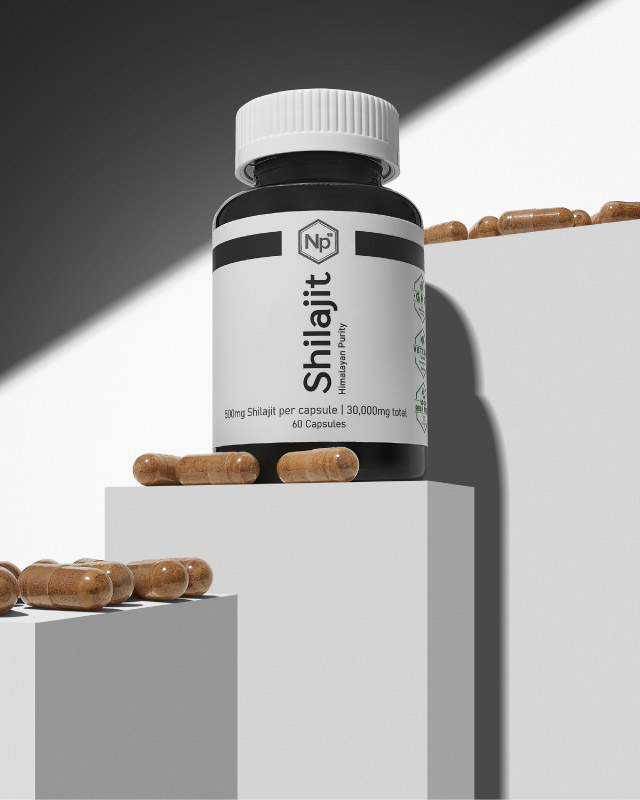
Ever felt a crash in the middle of your workout? It happens when the energy from pre-workout supplements fades. Many turn to quick fixes that don’t last. They leave us looking for something better. Our premium shilajit capsules deliver this full mineral spectrum in a convenient daily capsule.
An ancient Himalayan resin offers a natural boost. Known as “Conqueror of Mountains and Destroyer of Weakness,” it works differently. It enhances your body’s energy systems at the cellular level.
Science has caught up with ancient wisdom. This resin is packed with over 84 minerals and fulvic acid. It boosts energy production at the cellular level. It’s a new way to improve performance by supporting your body’s natural functions.
In this guide, we’ll dive into how this resin can change your training. You’ll learn about better energy, faster recovery, and more endurance. We’ll share when to use it, what results to expect, and how to incorporate it into your routine.
Key Takeaways
- Shilajit offers a natural alternative to synthetic pre-workout supplements without the crash and dependency issues
- Contains over 84 minerals and bioactive compounds that support cellular energy at the source
- Works by optimizing your body’s natural processes rather than masking fatigue with stimulants
- Ancient Himalayan remedy now backed by modern clinical research and scientific studies
- Provides benefits across three key areas: performance enhancement, faster recovery, and increased endurance
- This guide offers evidence-based information to help you understand realistic expectations and proper usage
What Is Shilajit and Why Should Athletes Care?
Have you heard about shilajit in the gym or training circles? It’s a dark, sticky substance that’s different from other supplements. We’ll explain what shilajit is, where it comes from, and why athletes are using it. Knowing about this mineral-rich resin helps us understand its benefits.

The Ancient Resin with Modern Athletic Applications
Shilajit is made over centuries. It starts with ancient plants trapped under huge rocks in the Himalayas. After years, the pressure and microbes turn it into a tar-like resin.
This process concentrates many bioactive compounds and minerals into one substance. It’s not just a rock formation fact.
Mountain communities have used shilajit for centuries. It helps them stay strong and energetic in low oxygen areas. Today, athletes are finding out how shilajit supports their energy systems.
“The beauty of shilajit lies in its complexity—it’s not a single compound but a symphony of minerals and organic acids working together to support cellular function.”
Key Active Compounds That Power Athletic Benefits
Shilajit is special for athletes because of its unique mix. It has over 84 trace minerals that your body can easily use. Two compounds stand out for their benefits.
Fulvic acid helps nutrients get to your muscles. It’s like a delivery truck for your body. This means better hydration and nutrient use.
Dibenzo-alpha-pyrones (DBPs) work in your cells. They help your cells make more energy. This is why shilajit helps with endurance and recovery.
Together, these compounds improve your athletic performance. They enhance nutrient delivery, energy production, and hydration.
- Enhanced nutrient delivery to working muscles
- Optimized cellular energy production
- Better mineral balance and hydration
- Improved oxygen utilization at the cellular level
How Shilajit Differs from Conventional Sports Supplements
Shilajit is different from other supplements. It works on basic cellular processes to support many aspects of performance.
Pre-workout supplements give quick energy but can cause jitters and crashes. Shilajit boosts your cells’ energy production for steady energy.
Protein powders and creatine address specific performance areas. Shilajit enhances how your body uses nutrients and energy.
As an adaptogen, shilajit supports your body’s energy systems. It works with your supplements to improve performance.
| Supplement Type | Primary Mechanism | Energy Pattern | Shilajit Compatibility |
|---|---|---|---|
| Pre-Workout (Caffeine) | Central nervous system stimulation | Quick spike, potential crash | Highly compatible – reduces crash |
| Protein Powder | Provides amino acids for muscle building | No direct energy effect | Enhances nutrient absorption |
| Creatine | Increases phosphocreatine stores | Supports short bursts of power | Complementary – different pathways |
| Shilajit | Optimizes mitochondrial function | Steady, sustained energy | Foundation that enhances others |
Shilajit works at the cellular level. It boosts your cells’ energy production, unlike pre-workouts. It also ensures nutrients reach your muscles.
Shilajit can help any athlete, no matter the sport or training style. It supports your specific goals by optimizing energy production and nutrient delivery.
How Shilajit for Athletes Enhances Performance
Shilajit boosts athletic performance by improving energy production in your cells. This is why athletes see better results in their training and competitions. We’ll explore how this ancient resin enhances your body’s energy use for better performance.
Boosting Energy Production at the Cellular Level
Every movement you make needs energy at the cellular level. Shilajit helps your cells make energy more efficiently. It’s not about quick energy boosts but making your body’s energy system work better.
Mitochondrial Efficiency and ATP Generation
Mitochondria are tiny power plants in your cells. They turn nutrients into ATP, your body’s energy. Every muscle contraction needs ATP.
Shilajit’s fulvic acid and dibenzo-alpha-pyrones (DBPs) work with CoQ10 to improve mitochondrial function. This makes your cells more efficient at making ATP. It’s like upgrading your body’s energy system.
Athletes feel more efficient, not jittery, when taking shilajit. This means better energy production, not just a quick energy boost. You stay energized during training without the crash of stimulants.

During intense exercise, your muscles need more oxygen. Shilajit helps your body use oxygen better. This is why it’s used for altitude sickness.
Better oxygen use means several benefits for athletes. Training at altitude becomes easier. High-intensity training is more effective. Your body does more with the oxygen it has.
This also helps your immune system during intense training. Training can weaken your immune system, but shilajit may help keep it stronger.
Increasing Strength and Power Output
A 2019 study by Keller and colleagues found shilajit’s benefits. It involved 63 men over eight weeks. Those taking shilajit maintained muscle strength longer during exercises.
The study looked at how much force muscles can generate. Athletes taking shilajit showed better strength as fatigue set in. This is great for training.
This means you can do more in the gym before getting tired. In competitions, you can keep up power output longer. For sports like wrestling, soccer, or basketball, this can be a game-changer.
| Athletic Application | Primary Benefit | Performance Impact |
|---|---|---|
| Resistance Training | Extended strength maintenance during sets | More volume completed before fatigue limits performance |
| Endurance Sports | Improved oxygen utilization and cellular efficiency | Better sustained pace and delayed onset of exhaustion |
| High-Intensity Intervals | Enhanced ATP production and recovery between efforts | Maintained power output across multiple intervals |
| Team Sports | Strength preservation during extended competition | Performance maintenance in late-game situations |
Strength benefits from shilajit take time. Consistent use over weeks optimizes your body’s energy processes. Setting realistic goals helps athletes stick with it for real results.
Enhancing Mental Clarity and Training Focus
Athletic performance is not just physical. Mental aspects like focus and decision-making are crucial. Shilajit improves energy production, which benefits your brain too.
Your brain uses a lot of energy, despite being small. Better energy production improves your brain function. Athletes report better focus and mental clarity during training.
Mental fatigue can be as limiting as physical exhaustion. When your brain gets tired, your technique and motivation suffer. Enhanced cellular energy supports better mental focus and quality training.
Shilajit offers benefits that are physical. It also offers benefits that are mental. It’s not just about being stronger or more energetic. It’s about using that energy effectively. This holistic improvement sets shilajit apart from supplements that only target one aspect of performance.
We stress realistic expectations about shilajit. It’s not a quick fix but a steady, research-backed improvement in energy use. These improvements support better training and drive athletic progress over time.
Accelerating Recovery with Shilajit
The best athletes know that getting stronger happens during rest, not just workouts. Training is the stimulus, but recovery is where the rebuilding happens. Shilajit is especially valuable for serious athletes in this process.
Shilajit boosts performance and energy production. It also accelerates the recovery process. By supporting multiple recovery pathways, shilajit helps your body recover faster and stronger.
Reducing Exercise-Induced Inflammation and Oxidative Stress
Every intense workout causes inflammation and oxidative stress in your muscles. Some inflammation is good for adaptation, but too much slows recovery and increases injury risk. Finding the right balance is key.
Intense exercise leads to Reactive Oxygen Species (ROS), or free radicals. These damage muscle cell membranes, causing soreness and stiffness. Too much oxidative stress slows progress.
Shilajit tackles this problem in two ways. It controls the NF-κB inflammatory pathway, acting like a switch for inflammation. This prevents unnecessary inflammation while still allowing beneficial responses to training. For more details, read our guide on best time to take shilajit. For more details, read our guide on proper shilajit dosage.
Second, shilajit boosts your body’s antioxidant defenses. It increases Superoxide Dismutase (SOD) and glutathione, your cells’ main defenses against free radicals. These antioxidants neutralize ROS before they damage tissues.
- Controls inflammatory pathways to reduce post-workout recovery time
- Neutralizes free radicals that cause cellular damage
- Supports your body’s natural anti-inflammatory systems
- Reduces excessive soreness without blocking beneficial adaptation
- Helps maintain healthy inflammation levels during training cycles
Shilajit’s anti-inflammatory action leads to real benefits. Athletes using it often report less pain and faster recovery. This means you can train more consistently without excessive breakdown.
Supporting Muscle Repair and Tissue Regeneration
Beyond reducing inflammation, shilajit actively supports rebuilding. Your body needs to repair muscle fibers, rebuild connective tissue, and strengthen structural proteins after every workout. Tissue regeneration is critical here.
Collagen is the protein that holds your tendons, ligaments, and muscle tissue together. It’s like your body’s framework. Intense training stresses these structures, and efficient collagen production determines how quickly you recover.
Research by Das et al. found something remarkable about shilajit. It activates 17 genes related to the Extracellular Matrix (ECM), the network of proteins and molecules that provide structural support to your tissues. Specifically, it upregulates genes for Type 1 Collagen (COL1A1) and Fibronectin (FN1).
This means your body can rebuild connective tissue faster. Tendons and ligaments repair more efficiently. Joint structures maintain better integrity under training stress. This genetic activation literally accelerates tissue regeneration at the cellular level.
Clinical studies provide additional evidence of shilajit’s muscle repair benefits. Researchers measured blood markers that indicate tissue damage, finding significant reductions in three key indicators:
| Blood Marker | What It Indicates | Effect of Shilajit |
|---|---|---|
| Hydroxyproline (HYP) | Collagen and connective tissue breakdown | Significantly reduced levels |
| Creatine Kinase (CK) | Muscle cell damage and membrane disruption | Lower post-exercise elevation |
| Lactate Dehydrogenase (LDH) | General muscle tissue damage | Decreased damage markers |
These reduced markers suggest shilajit has a genuine tissue-sparing effect. Less severe DOMS reduction means you spend fewer days hobbling around after leg day. Faster structural recovery means shorter gaps between quality training sessions. Better long-term tissue health means reduced injury risk over months and years of consistent training.
Combating Fatigue and Preventing Overtraining
Serious athletes face a constant challenge: pushing hard enough to improve without overtraining. Overtraining occurs when your training stress exceeds your recovery capacity. The result is declining performance, persistent fatigue, and increased injury susceptibility.
We need to address two critical factors that determine whether you’re recovering adequately: hormonal balance and sleep quality. Shilajit supports both, making it valuable for overtraining prevention.
Balancing Stress Hormones for Better Recovery
Intense training elevates cortisol—your primary stress hormone. In the short term, cortisol helps mobilize energy and supports training adaptations. But chronic elevation creates serious problems. Persistently high cortisol suppresses immune function, breaks down muscle tissue, disrupts sleep patterns, and ultimately hinders exercise recovery.
As an adaptogen, shilajit helps modulate your stress response. Adaptogens don’t simply lower cortisol across the board. Instead, they help normalize hormonal patterns—bringing high levels down while supporting healthy stress responses when needed. This balanced approach supports better post-workout recovery without compromising your training stimulus.
Athletes using recovery supplements containing shilajit often notice improved resilience to training stress. You handle high-volume weeks better. Recovery between sessions feels more complete. The cumulative fatigue that builds during intense training blocks becomes more manageable.
Improving Sleep Quality for Optimal Regeneration
Most tissue repair happens while you sleep. During deep sleep stages, your body releases growth hormone, processes the day’s training stimulus, repairs damaged tissues, and consolidates the adaptations you’ve earned through hard work. Poor sleep quality directly undermines your training progress.
Research on shilajit’s sleep benefits is still preliminary, but the mechanisms make biological sense. Shilajit’s adaptogenic properties help regulate stress hormones that interfere with sleep. Its rich mineral content—including magnesium and trace minerals—supports the biochemical processes involved in sleep-wake cycles.
Many athletes report subjective improvements in sleep quality when using shilajit consistently. Falling asleep becomes easier after evening training sessions. Sleep feels more restorative. Morning recovery markers—like reduced muscle stiffness and better mental clarity—suggest the sleep you’re getting is more productive.
The connection between muscle recovery and sleep quality cannot be overstated. If shilajit helps you achieve even 30-60 minutes of additional quality sleep per night, the cumulative recovery benefits over weeks and months become substantial. Better sleep means better tissue regeneration, hormonal optimization, and ultimately superior training adaptations.
Building Greater Endurance and Stamina
Building endurance is more than just running more miles. It’s about using energy better during long activities. Your heart, muscles, and cells must work together well. If any part doesn’t, you’ll get tired faster.
Shilajit helps your body use energy better. It makes your cells work more efficiently. This means you can keep going longer and recover faster. For those who are interested, read our article that compares shilajit vs tongkat ali for performance enhancement.
Supporting Cardiovascular Function and Blood Flow
Your heart and blood system are key for lasting performance. Without good blood flow, even top athletes will tire quickly. How well you can keep going depends on your heart’s strength.
Shilajit has iron, which helps carry oxygen in your blood. More oxygen means your muscles get the fuel they need. This is good for long runs or tough workouts.
Shilajit also helps your blood vessels work better. This means oxygen gets to your muscles faster and waste goes away quicker. You’ll feel less tired during long activities.
Enhancing Aerobic Capacity and VO2 Max
Aerobic capacity is how well your body uses oxygen during hard exercise. It’s like your body’s engine size. Endurance athletes focus on this because it affects their performance.
VO2 max is a measure of how much oxygen your body can use. A higher number means you can do more before getting tired. Elite athletes have high VO2 max values.
Shilajit won’t replace hard training. But it can help you get more from your workouts. It makes your body use oxygen better, saving energy.
Increasing Lactate Threshold and Delaying Fatigue
Your lactate threshold is when you start to feel tired. It’s when your body can’t clear lactate fast enough. Raising this threshold means you can keep going longer before getting tired.
Shilajit may help your body clear lactate better. This means you can run faster or cycle harder before getting tired. It’s about being able to keep up the intensity longer.
Working out feels easier when you can keep up the pace. You might notice you can do more before getting tired. These small improvements add up, helping you train harder and compete better.
Benefits for Both Endurance and High-Intensity Athletes
Endurance is important for all athletes, not just marathon runners. Whether you’re playing basketball or soccer, you need stamina. Shilajit helps with this.
High-intensity training is different. It’s about quick, powerful efforts. Shilajit helps with recovery between these efforts. This is key for athletes who need to perform at their best.
Shilajit helps with energy production and recovery. It supports both endurance and quick recovery. This is important for all athletes, no matter their sport.
| Athlete Type | Primary Endurance Demand | How Shilajit Supports Performance |
|---|---|---|
| Distance Runners/Cyclists | Sustained aerobic output over extended periods | Enhances oxygen utilization, improves cardiovascular efficiency, delays onset of fatigue |
| Team Sport Athletes | Repeated moderate-to-high intensity efforts with brief recovery | Supports quick recovery between plays, maintains power output throughout competition |
| Strength Athletes | Multiple high-intensity efforts with incomplete recovery between sets | Reduces between-set fatigue, supports ATP regeneration for consistent power output |
| Combat Sport Athletes | Sustained intensity with power bursts over multiple rounds | Combines aerobic support with rapid recovery, maintains explosive power late in competition |
Shilajit is known for helping with low oxygen levels and extreme tiredness. It’s great for athletes training at high altitudes or in intense competitions. Shilajit helps your body use oxygen better, giving you the energy you need.
Incorporating Shilajit into Your Athletic Training Program
Adding a new supplement to your routine raises important questions. How much should you take? When is the best time? How long before you see results? These details are as important as understanding the science behind shilajit’s benefits.
Getting your athletic training program right means focusing on the small things that make a big difference. The right approach to supplementation can support your goals. But poor implementation might leave you wondering why you’re not getting results. Let’s explore how to use shilajit effectively.
Finding Your Optimal Dosage
Clinical research gives us clear guidance on dosage for athletes looking to enhance performance and recovery. Studies show that 250-500mg daily of purified shilajit extract produces measurable benefits. The Keller study, which demonstrated significant improvements in testosterone and muscle strength, used 500mg daily over eight weeks.
For most athletes, 500mg daily appears to be the sweet spot. This amount provides robust support for energy production, recovery, and hormonal balance without overdoing it. We recommend starting at the lower end—around 250-300mg—for the first week or two to assess how your body responds.
More isn’t always better with adaptogens. Consistent, moderate dosing typically produces better long-term results than mega-dosing.
Some advanced athletes or larger individuals may use up to 800-1000mg daily. However, the research doesn’t show proportionally greater benefits at these higher amounts. Consistency matters far more than quantity when it comes to workout supplements like shilajit.
Consider cycling your supplementation to maintain effectiveness. A common protocol involves taking shilajit for 6-8 weeks, then taking 1-2 weeks off. While this approach comes from general adaptogen principles rather than specific shilajit research, many athletes find it helps prevent diminishing returns.
Strategic Timing for Maximum Impact
When to take shilajit depends on your training schedule and goals. We’ve identified three effective timing strategies that athletes use successfully.
The pre-workout approach involves taking shilajit 30-60 minutes before training. This timing allows the fulvic acid and minerals to be absorbed so they’re working during your session. Your mitochondria get primed for energy production right when you need it most. Athletes who train first thing in the morning often prefer this method.
Taking shilajit first thing in the morning on an empty stomach maximizes absorption. This strategy works well if you train later in the day or want all-day energy support. The minerals and active compounds enter your system without competing with food, providing sustained benefits throughout your training and recovery.
Post-workout timing emphasizes recovery benefits. Taking shilajit after training supports the anti-inflammatory and tissue repair processes your body initiates during recovery. This approach makes sense for athletes focused primarily on recovery optimization rather than immediate performance enhancement.
Here’s the truth about supplement timing: consistency beats perfection. Taking shilajit daily matters more than splitting hairs over exact timing. Experiment to find what fits your schedule best, then stick with it.
- Pre-workout timing prepares energy systems for training demands
- Morning dosing on an empty stomach maximizes absorption rates
- Post-workout application supports recovery and reduces inflammation
- Late-day dosing might affect sleep for some individuals (though less common than with stimulants)
Setting a Realistic Timeline
Managing realistic expectations prevents disappointment and helps you evaluate whether shilajit is working for you. Based on clinical research and athlete feedback, here’s what to expect at different stages.
Weeks 1-2: Some athletes notice improved energy levels and reduced post-workout fatigue during this initial period. Others feel nothing dramatic yet. Both responses are normal. Your body is beginning to adapt to the increased mineral availability and mitochondrial support.
Weeks 4-6: More consistent energy becomes apparent for most users. Recovery between training sessions may feel faster. You might notice you’re handling your training volume better without feeling as worn down. These subtle improvements compound over time.
Weeks 8-12: Structural benefits become measurable at this stage. Improved strength maintenance under fatigue, better tissue repair, and hormonal effects emerge. Research shows this timeline for significant adaptations, which aligns with how long biological systems need to respond to consistent stimulus.
Shilajit works as a foundational support, not a magic pill. The benefits compound over time when combined with proper training, nutrition, and recovery habits.
Don’t expect overnight transformation. Training optimization requires patience and consistency across all variables. Athletes who see the best results treat shilajit as part of a comprehensive approach rather than a standalone solution.
Quality Standards That Protect Your Health
Supplement quality might be the most critical practical consideration when choosing shilajit. Low-quality products pose genuine health risks that every athlete needs to understand.
Raw, unprocessed shilajit can contain dangerous levels of heavy metals including lead, mercury, arsenic, and thallium. These toxins accumulate in your body over time, causing serious health problems. Proper purification removes these hazards along with mycotoxins, harmful polymeric quinones, free radicals, and microbial contamination.
Look for these quality indicators when selecting shilajit:
- Third-party testing: Reputable manufacturers provide Certificates of Analysis (COA) from independent labs showing purity and potency verification
- Sport certifications: NSF Certified for Sport or Informed Sport certification ensures no banned substances for competitive athletes subject to drug testing
- Standardized extracts: Products with established purification processes maintain consistency and safety across batches
- Transparent sourcing: Quality brands disclose where their shilajit originates and how it’s processed
Different forms offer distinct advantages depending on your preferences and lifestyle:
| Form | Advantages | Considerations |
|---|---|---|
| Resin | Highest potency, traditional form, full spectrum of compounds | Messy to use, difficult to measure exact dosage, strong taste |
| Capsules | Convenient, precise dosing, no taste, easy to travel with | Slightly lower bioavailability, need to verify capsule quality |
| Powder | Versatile (mix in drinks), reasonable bioavailability, easier dosing than resin | Taste can be challenging, requires mixing, less convenient than capsules |
Never compromise on supplement quality to save a few dollars. Your long-term health and athletic performance depend on putting only pure, properly processed substances into your body. The small price difference between low-quality and high-quality shilajit is insignificant compared to the potential health consequences of contamination.
Competitive athletes should prioritize products with sport-specific certifications. These third-party programs test for hundreds of banned substances, protecting you from inadvertent doping violations that could end your competitive career.
Conclusion
We’ve looked into how shilajit helps athletes at the cellular level. It boosts energy, speeds up recovery, and enhances endurance. Studies show it helps keep strength up during hard workouts, reduces muscle damage, and balances hormones.
Shilajit works best when it’s part of a whole plan. It’s not a replacement for good training, healthy food, or enough sleep. It’s a natural tool that helps improve the basics, not a quick fix like energy drinks.
Start with 500mg of pure shilajit resin or capsules each day. Watch how your recovery, sleep, workouts, and energy change. You’ll likely see better performance in 8-12 weeks if you use it regularly.
Quality is key. Pick products tested by third parties from trusted makers to avoid bad stuff. How well shilajit works for you depends on its purity and how it’s made.
Now you know how to use shilajit to boost your athletic performance. Use it wisely, be patient, and mix it with your training. This ancient resin is a great natural helper for athletes who want to perform better through science-backed ways. Ready to experience these benefits? Try our Pure Himalayan Shilajit Capsules today.