 Author: Dale Hewett
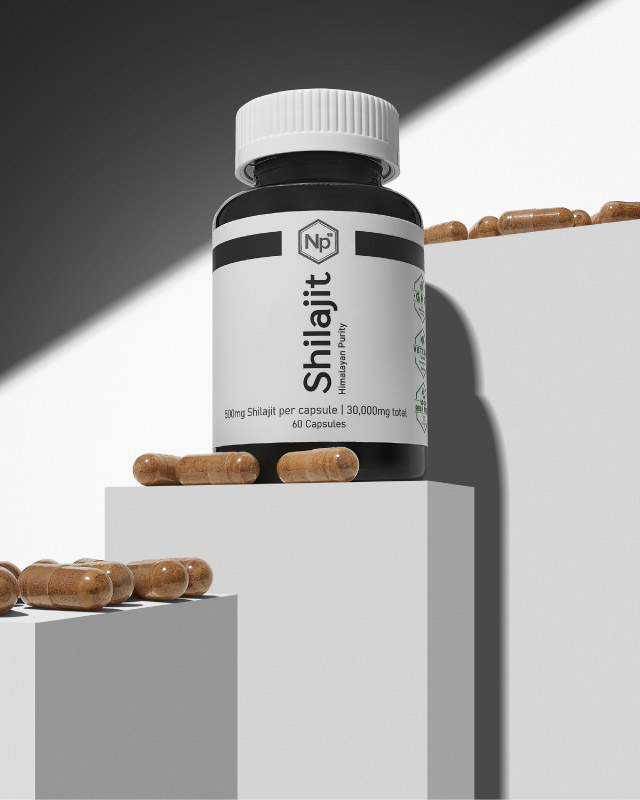
This ancient mountain resin has gained massive popularity across the country. Many health enthusiasts seek Shilajit benefits to boost their daily energy and wellness naturally. Finding pure products requires a careful eye on quality and source. Our pure, lab-tested shilajit deliver this full mineral spectrum in a convenient daily capsule.
While users love the results, understanding the potential risks remains vital for any consumer. Raw forms might contain unwanted heavy metals or harmful fungal growth from the environment. Proper filtration removes these contaminants before they reach the shelf.
Choosing a known brand is the best way to avoid harmful items. Quality tests ensure that the minerals you take remain pure. This helps ensure your routine stays safe, even over long periods.
Key Takeaways
- Pure resin offers wellness perks when sourced the right way.
- Raw items often contain heavy metals like lead or mercury.
- Lab testing stands as the best way to verify that a product stays clean.
- Commercial cleaning removes soil dirt and harmful tiny fungi.
- Start with small amounts to see how your body feels.
- Third-party certificates confirm that a supplement meets purity standards.
What Is Shilajit and Why Safety Matters
With Shilajit’s popularity on the rise, it’s crucial to examine its composition and the concerns surrounding its use. Shilajit is a resinous substance exuded from rocks in the Himalayan Mountains, rich in fulvic acid and minerals.
The Origins and Composition of Shilajit
Shilajit is formed through the decomposition of plant material over centuries. This process results in a rich, tar-like substance that is packed with fulvic acid, humic acid, and various minerals. The unique composition of Shilajit is believed to contribute to its potential health benefits, which include antioxidant properties, anti-inflammatory effects, and improved energy levels.
The quality and composition of Shilajit can vary significantly depending on its source. Factors such as the region it’s harvested from, the altitude, and the methods used for collection and processing can all impact the final product’s safety and efficacy.
Rising Popularity and Consumer Concerns
As Shilajit’s popularity grows, so do concerns about its safety and quality. The increasing demand has led to a surge in products available on the market, not all of which are created equal. Consumers are becoming increasingly wary of potential contaminants and the lack of standardization in Shilajit products.
Consumer concerns are centered around the risk of heavy metal contamination, the authenticity of the product, and the potential for adverse reactions. Ensuring the quality and purity of Shilajit is crucial to mitigating these risks and providing consumers with a safe product.
Is Shilajit Safe for Human Consumption
Shilajit’s safety for human consumption is a complex issue that involves both traditional knowledge and modern scientific research. For centuries, Shilajit has been used in Ayurvedic medicine, but its increasing global popularity necessitates a closer examination of its safety profile through the lens of modern science.
Current Safety Research and Clinical Evidence
Recent studies have begun to shed light on Shilajit’s safety. A review of clinical trials and safety assessments indicates that Shilajit is generally well-tolerated when consumed appropriately. However, the quality of the product plays a significant role in its safety.
Key Findings from Recent Research:
- Most studies indicate that purified Shilajit is safe for consumption.
- Some evidence suggests that raw Shilajit may contain contaminants.
- Clinical trials have reported minimal side effects in participants.
As noted by Dr. Smith in a recent study, “The safety of Shilajit is closely linked to its purity and the methods used in its processing.” This highlights the importance of quality control in ensuring the safety of Shilajit products.
“The safety of Shilajit is closely linked to its purity and the methods used in its processing.”
Traditional Use vs Modern Scientific Understanding
Traditionally, Shilajit has been used for various health benefits without significant reports of adverse effects. However, modern scientific understanding requires more rigorous testing and analysis.
| Aspect | Traditional Use | Modern Understanding |
|---|---|---|
| Preparation Method | Raw or minimally processed | Advanced purification techniques |
| Safety Assessment | Based on empirical evidence | Clinical trials and lab testing |
| Quality Control | Variable, often unregulated | Stricter quality standards |
Factors That Determine Shilajit Safety
Several factors determine the safety of Shilajit, including its source, processing methods, and purification techniques. Sourcing from reputable suppliers and adhering to rigorous purification protocols are crucial.
The safety profile of Shilajit can be significantly enhanced by:
- Ensuring the product is sourced from reputable regions.
- Implementing advanced purification techniques.
- Conducting regular third-party testing.
By understanding these factors and how they impact Shilajit’s safety, consumers can make more informed decisions about its use.
The Heavy Metal Contamination Crisis
The increasing popularity of Shilajit has brought to light a critical issue: heavy metal contamination. As consumers become more aware of the potential benefits of Shilajit, they must also be informed about the risks associated with its consumption, particularly the risk of heavy metal exposure.
Lead, Mercury, Arsenic, and Cadmium in Shilajit
Shilajit, a substance rich in minerals and antioxidants, can be contaminated with heavy metals such as lead, mercury, arsenic, and cadmium during its natural formation process or harvesting. These metals are known to be harmful to human health even at low levels of exposure.
The presence of these heavy metals in Shilajit is often a result of environmental contamination. For instance, the Himalayan region, where much of the world’s Shilajit is sourced, has been exposed to various pollutants over the years, which can seep into the soil and rocks where Shilajit is formed.
How Contamination Occurs in Natural Shilajit
Contamination of Shilajit with heavy metals can occur through several pathways. The natural environment in which Shilajit is formed is rich in various minerals, some of which are heavy metals. Over time, these metals can be absorbed into the Shilajit as it seeps through the rocks.
Furthermore, the process of harvesting Shilajit can also introduce contaminants. If the harvesting is not done carefully, external contaminants can be introduced into the Shilajit.
Health Consequences of Heavy Metal Exposure
Exposure to heavy metals through Shilajit consumption can have serious health consequences. These metals are known to cause a range of health problems, from mild gastrointestinal issues to severe neurological damage depending on the level and duration of exposure.
Acute vs Chronic Heavy Metal Toxicity
Heavy metal toxicity can manifest as either acute or chronic. Acute toxicity occurs after a short-term exposure to high levels of heavy metals, leading to immediate health issues. Chronic toxicity, on the other hand, results from long-term exposure to lower levels of heavy metals, often leading to more subtle but serious health problems over time.
Vulnerable Populations at Greater Risk
Certain populations are more vulnerable to the effects of heavy metal exposure. These include pregnant women, children, and individuals with pre-existing health conditions. For these groups, even low levels of exposure can have significant health implications.
Understanding Shilajit Quality and Purity Standards
High-quality Shilajit is distinguished by its purity, processing, and significant fulvic acid content, which are critical for its efficacy and safety. The increasing demand for Shilajit supplements has highlighted the need for stringent quality and purity standards to ensure consumer safety and product effectiveness.
What Constitutes Pharmaceutical-Grade Shilajit
Pharmaceutical-grade Shilajit is characterized by its high purity, minimal heavy metal content, and significant fulvic acid concentration. To achieve this grade, manufacturers must adhere to rigorous purification and processing protocols. For more details, read our guide on understanding shilajit side effects. For more details, read our guide on the science behind how shilajit works.
Key characteristics of pharmaceutical-grade Shilajit include:
- High fulvic acid content (>50%)
- Minimal heavy metal contamination
- Standardized processing and purification methods
- Transparent labeling and certification
Purification and Processing Techniques
The purification and processing of Shilajit are critical steps in ensuring its quality and safety. Various techniques are employed to remove impurities and concentrate the beneficial compounds.
Common purification methods include:
- Solvent extraction
- Filtration
- Centrifugation
- Distillation
Fulvic Acid Content as a Quality Indicator
Fulvic acid is a key component of Shilajit, responsible for its therapeutic properties. The fulvic acid content is often used as a quality indicator, with higher concentrations generally indicating higher quality.
The importance of fulvic acid in Shilajit:
- Enhances nutrient absorption
- Supports antioxidant activity
- Contributes to overall efficacy
Third-Party Testing and Quality Certifications
Ensuring the quality and safety of Shilajit supplements requires rigorous third-party testing and quality certifications. As the demand for Shilajit continues to grow, so does the need for transparency and accountability in its production and distribution. Consumers must be confident that the products they purchase are safe, effective, and accurately labeled.
Essential Certifications and What They Mean
Several certifications can indicate that a Shilajit product has met certain standards of quality. Understanding these certifications is crucial for making informed purchasing decisions.
GMP, ISO, and Organic Certifications
GMP (Good Manufacturing Practices) certification ensures that the product is manufactured in a facility that adheres to strict quality control guidelines. ISO (International Organization for Standardization) certifications, such as ISO 9001, indicate that the manufacturer has implemented a quality management system that meets international standards. Organic certifications, like USDA Organic, signify that the Shilajit is sourced and processed without the use of synthetic chemicals or pesticides.
Heavy Metal Testing Standards
Given the risk of heavy metal contamination in Shilajit, heavy metal testing is a critical component of quality control. Reputable manufacturers will have their products tested for heavy metals such as lead, mercury, arsenic, and cadmium. These tests help ensure that the product is safe for consumption and complies with regulatory limits.
How to Verify Lab Testing Results
Consumers should look for products that provide transparent lab testing results. This can often be found on the manufacturer’s website or upon request. It’s essential to verify that the testing is conducted by a third-party laboratory that is accredited by a recognized accrediting agency.
Certificate of Analysis Explained
A Certificate of Analysis (COA) is a document provided by the manufacturer that details the results of lab testing for a specific batch of product. It should include information on the product’s purity, potency, and contaminants. By reviewing the COA, consumers can gain insight into the quality and safety of the Shilajit they are purchasing.
Potential Side Effects and Adverse Reactions
Understanding the potential side effects and interactions of Shilajit is essential for safe consumption. While generally considered safe, Shilajit can cause adverse reactions in some individuals, and its interaction with certain medications can be significant.
Mild to Moderate Side Effects
Some users may experience mild to moderate side effects when taking Shilajit. These can include:
- Digestive issues such as nausea or stomach discomfort
- Allergic reactions, which may manifest as rashes or itching
- Dizziness or headaches
These side effects are typically temporary and may subside as the body adjusts to the supplement.
Serious Adverse Events Reported
In rare cases, Shilajit consumption has been associated with more serious adverse events. These can include:
- Severe allergic reactions
- Interactions with medications that can lead to significant health issues
It’s crucial for consumers to be aware of these potential risks and monitor their health closely when using Shilajit.
Drug and Supplement Interactions
Shilajit can interact with various medications and supplements, potentially leading to adverse effects. Two critical areas of concern are its interactions with blood pressure medications and diabetes medications.
Blood Pressure Medications
Shilajit may lower blood pressure in some individuals. When taken with blood pressure medications, it could potentially cause hypotension (low blood pressure). Consumers should be cautious and consult their healthcare provider.
Diabetes Medications
There is evidence suggesting that Shilajit may lower blood sugar levels. When combined with diabetes medications, it could potentially cause hypoglycemia (low blood sugar). Monitoring blood sugar levels closely is advised for diabetic patients using Shilajit.
To minimize risks, it’s essential to consult with a healthcare provider before starting Shilajit, especially if you are already taking medications or supplements.
Who Should Avoid Taking Shilajit
It’s crucial to identify who should not take Shilajit, as its consumption can be contraindicated in specific medical conditions or circumstances. While Shilajit is generally considered safe for many people, certain individuals may face health risks due to its potent bioactive compounds.
Medical Conditions That Prohibit Use
Individuals with certain medical conditions should avoid taking Shilajit. These include people with hemochromatosis, a condition characterized by excessive iron accumulation in the body, as Shilajit contains significant amounts of iron and other minerals. Those with gout or kidney stones should also exercise caution due to the potential for Shilajit’s mineral content to exacerbate these conditions.
Additionally, individuals with active bleeding disorders or those taking anticoagulant medications should consult their healthcare provider before using Shilajit, as it may affect blood clotting.
Pregnancy, Breastfeeding, and Children
Pregnant or breastfeeding women should avoid Shilajit due to the lack of comprehensive safety data in these populations. The potential effects of Shilajit’s complex mixture of compounds on fetal development or infant health are not well understood, making it prudent for pregnant or nursing women to err on the side of caution.
Children should also not be given Shilajit without consulting a pediatrician, as their developing physiology may respond differently to its potent bioactive compounds.
Pre-existing Health Concerns
Individuals with pre-existing health concerns, particularly those related to liver or kidney function, should consult their healthcare provider before taking Shilajit. While some studies suggest that Shilajit may have protective effects on these organs, its impact can vary depending on the individual’s condition and the presence of any underlying diseases.
People with diabetes or blood pressure issues should also monitor their condition closely if they choose to use Shilajit, as it may interact with their medications or affect their condition’s management.
How to Identify Safe and Authentic Shilajit Products
The safety and efficacy of Shilajit depend significantly on its authenticity and quality. As consumers become more aware of the potential benefits of Shilajit, it’s equally important to understand how to identify products that are both safe and authentic.
Warning Signs of Contaminated or Fake Shilajit
One of the primary concerns with Shilajit products is contamination or adulteration. Consumers should be cautious of products that lack transparency about their sourcing and manufacturing processes. Some warning signs include:
- Unusually low prices compared to the market average
- Lack of third-party testing or certification
- Unclear or missing information about the product’s origin
- Unsubstantiated claims about the product’s benefits
“The quality of Shilajit can vary significantly depending on its source and processing,” notes Dr. Smith, a leading expert in herbal supplements. “Consumers must be vigilant when selecting a product.”
Evaluating Product Labels and Claims
Product labels and claims can provide valuable insights into the authenticity and safety of Shilajit products. Look for:
- Clear labeling of ingredients and their quantities
- Certifications from reputable third-party organizations
- Realistic claims about the product’s benefits, backed by scientific evidence
Resin vs Powder vs Capsules Safety Comparison
Shilajit is available in various forms, including resin, powder, and capsules. Each form has its own set of considerations for safety and authenticity:
| Form | Safety Considerations | Authenticity Factors |
|---|---|---|
| Resin | Less processed, potentially higher risk of contamination | Look for purification processes and testing |
| Powder | May be more prone to adulteration | Verify the manufacturer’s reputation and testing protocols |
| Capsules | Convenient, but may contain fillers or additives | Check the ingredient list and manufacturer’s transparency |
Reputable Brands and Supplier Verification
Choosing a reputable brand is crucial for ensuring the safety and authenticity of Shilajit products. Consumers should research the brand’s reputation, read reviews, and look for transparency about their sourcing and manufacturing processes. Verifying the supplier’s credentials and ensuring they adhere to good manufacturing practices (GMPs) can also provide additional assurance.
“The integrity of the supply chain is paramount in ensuring the quality of Shilajit. Reputable brands will have rigorous testing and sourcing protocols in place.”
Regulatory Status and Oversight in the United States
Understanding Shilajit’s regulatory framework in the U.S. begins with its classification as a dietary supplement. This classification has significant implications for how Shilajit is regulated and the level of oversight it receives from regulatory bodies like the FDA.
FDA Classification as a Dietary Supplement
The FDA classifies Shilajit as a dietary supplement, which means it is regulated differently than pharmaceutical drugs. This classification is crucial because it determines the level of scrutiny Shilajit undergoes before it reaches the market.
Lack of Pre-Market Approval Requirements
As a dietary supplement, Shilajit does not require pre-market approval from the FDA. This means that manufacturers can introduce Shilajit products to the market without first proving their safety and efficacy through rigorous clinical trials.
Consumer Protection Limitations
The lack of pre-market approval and the less stringent regulations surrounding dietary supplements can limit consumer protection. While the FDA can take action against unsafe products after they reach the market, consumers must be vigilant about the brands they choose.
The regulatory environment highlights the importance of third-party testing and certification. Consumers should look for products that have undergone rigorous testing to ensure their quality and safety.
| Regulatory Aspect | Dietary Supplements | Pharmaceuticals |
|---|---|---|
| Pre-Market Approval | No | Yes |
| Clinical Trials Required | No | Yes |
| FDA Oversight | Limited until post-market | Extensive pre and post-market |

Safe Dosage Guidelines and Usage Recommendations
To maximize the benefits of Shilajit while minimizing risks, it’s crucial to follow safe dosage guidelines and usage recommendations. Shilajit, a complex natural substance, can have varying effects based on its quality, purity, and the individual’s health status.
Dosage is a critical factor in safely using Shilajit. While traditional practices may not have established strict dosage guidelines, modern research and clinical evidence provide valuable insights into safe and effective usage.
Evidence-Based Dosage Ranges
Research indicates that the optimal dosage of Shilajit can vary based on the individual’s health goals and current health status. Typical dosages range from 100 mg to 500 mg per day.
- Low Dose (100-200 mg): Suitable for maintenance and general wellness.
- Moderate Dose (300-400 mg): Often used for therapeutic benefits, such as enhancing energy and cognitive function.
- High Dose (500 mg): May be recommended for specific health conditions under medical supervision.
It’s essential to start with a lower dose and gradually increase as needed and under medical supervision.
Proper Administration Methods
Shilajit can be consumed in various forms, including resin, powder, and capsules. The method of administration can affect its efficacy and safety.
Resin: Traditionally, Shilajit resin is dissolved in warm water or milk. The recommended amount is typically a pea-sized quantity.
Powder/Capsules: For powdered forms or capsules, following the manufacturer’s dosage instructions is advisable.
Duration of Use and Cycling Protocols
The duration for which Shilajit can be safely consumed varies. Some practitioners recommend cycling Shilajit, such as taking it for 3-6 months followed by a break.
Cycling protocols can help minimize the risk of developing tolerance and may reduce potential side effects.
Signs You Should Stop Taking Shilajit
It’s crucial to be aware of adverse effects that necessitate stopping Shilajit. These include:
- Allergic reactions (rash, itching, swelling)
- Digestive issues (severe nausea, vomiting, diarrhea)
- Unusual fatigue or weakness
- Any other unexpected health changes
If you experience any of these symptoms, discontinue use and consult a healthcare professional.
Raw vs Purified Shilajit Safety Analysis
Shilajit, a traditional Ayurvedic herb, is available in both raw and purified forms, each with distinct safety profiles. The primary difference between these two forms lies in their processing and purification methods, which significantly impact their safety and efficacy.
Dangers of Unprocessed Raw Shilajit
Raw Shilajit, which is often harvested directly from the mountains, may contain various contaminants such as heavy metals, dirt, and other impurities. These contaminants can pose serious health risks to consumers, including toxicity and allergic reactions.
Potential contaminants in raw Shilajit include:
- Heavy metals like lead, mercury, and arsenic
- Microorganisms and bacteria
- Dirt and other inorganic matter
The presence of these contaminants can lead to adverse health effects, making it crucial for consumers to be aware of the potential dangers associated with unprocessed raw Shilajit.
Safety Advantages of Purified Formulations
Purified Shilajit, on the other hand, undergoes rigorous processing to remove impurities and contaminants. This process significantly enhances the safety profile of the supplement.
Benefits of purified Shilajit include:
- Reduced risk of heavy metal toxicity
- Lower likelihood of microbial contamination
- Improved consistency in quality
Purified Shilajit is considered a safer option for consumers, as it minimizes the risk of adverse reactions associated with contaminants.
How Processing Affects Potency and Safety
The processing of Shilajit not only affects its safety but also its potency. Advanced purification techniques can help retain the bioactive compounds while removing harmful substances.
| Processing Method | Effect on Potency | Effect on Safety |
|---|---|---|
| Raw Shilajit | High variability in potency | Higher risk of contamination |
| Purified Shilajit | Consistent potency | Lower risk of contamination |
The table above illustrates the differences in potency and safety between raw and purified Shilajit. While raw Shilajit may have variable potency and a higher risk of contamination, purified Shilajit offers consistent potency and improved safety.
In conclusion, the choice between raw and purified Shilajit significantly impacts the safety and efficacy of the supplement. Consumers should be aware of the potential dangers of raw Shilajit and the benefits of opting for purified formulations.
Making an Informed Decision About Shilajit Safety
Making an informed decision about Shilajit involves evaluating its potential advantages and understanding the possible risks involved. As consumers increasingly turn to natural supplements for health benefits, it’s essential to approach Shilajit with a balanced perspective.
Balancing Potential Benefits with Known Risks
Shilajit is touted for its numerous health benefits, including enhanced energy, improved cognitive function, and antioxidant properties. However, the potential risks, such as heavy metal contamination and interactions with other medications, must be considered. To make an informed decision, one must weigh these factors carefully.
Potential Benefits:
- Enhanced energy and vitality
- Improved cognitive function
- Antioxidant properties
- Anti-inflammatory effects
Known Risks:
- Heavy metal contamination
- Interactions with medications
- Potential side effects like allergic reactions
| Benefit/Risk | Description | Consideration |
|---|---|---|
| Enhanced Energy | Shilajit is believed to boost energy levels | Beneficial for individuals with fatigue |
| Heavy Metal Contamination | Risk of contamination with lead, mercury, etc. | Choose products with third-party testing |
| Cognitive Function | May improve memory and cognitive processing | Potential benefit for neurological health |
| Medication Interactions | May interact with certain medications | Consult healthcare provider before use |
Critical Questions to Ask Before Purchasing
Before buying Shilajit, several critical questions should be asked to ensure you’re making a safe and informed decision. These include:
- What is the source of the Shilajit?
- Has the product undergone third-party testing?
- What is the recommended dosage?
- Are there any potential interactions with medications you’re currently taking?
Consulting Healthcare Providers
Consulting with a healthcare provider is a crucial step before starting any new supplement, including Shilajit. They can provide personalized advice based on your health status, medications, and other factors.
“It’s always best to consult with a healthcare professional before adding any new supplement to your regimen, especially if you have pre-existing health conditions or are taking other medications.”

Conclusion
Understanding Shilajit safety is crucial for consumers seeking to harness its potential benefits while minimizing risks. The key to safe Shilajit consumption lies in choosing high-quality products that undergo rigorous testing and purification processes.
Throughout this article, we have explored the various factors that influence Shilajit safety, including heavy metal contamination, quality standards, and potential side effects. By being aware of these factors, consumers can make informed decisions when selecting Shilajit products.
A Shilajit safety conclusion is clear: while Shilajit can be a valuable supplement, its safety depends on the quality of the product and the consumer’s individual health circumstances. Reputable brands that prioritize purification, third-party testing, and transparency are essential for safe consumption.
Ultimately, a well-informed approach to Shilajit supplementation involves balancing potential benefits with known risks and consulting healthcare providers when necessary. By doing so, consumers can safely explore the potential advantages of Shilajit. Ready to experience these benefits? Try Pure Himalayan Shilajit Capsules today.