 Author: Dale Hewett
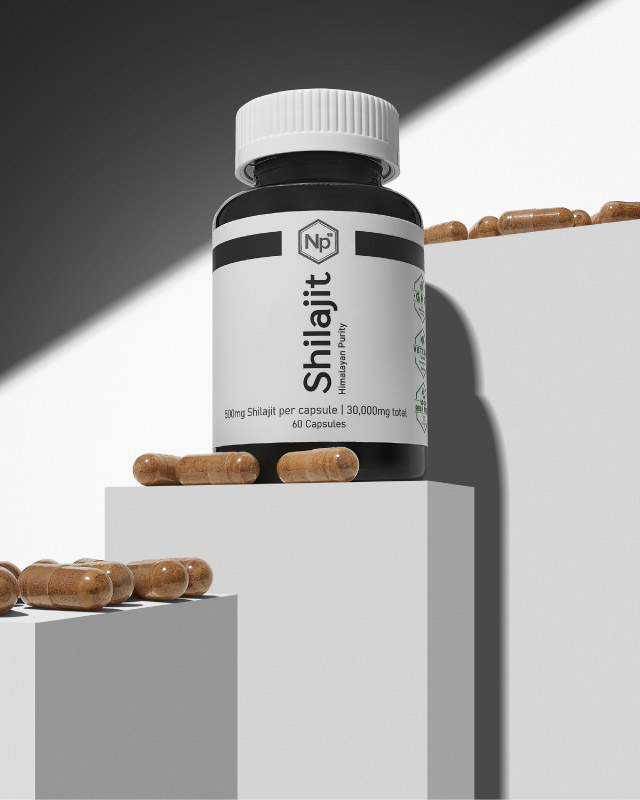
Living with chronic metabolic conditions is a big challenge. Many Americans are now exploring ancient remedies for diabetes management. Our pure shilajit supplement deliver this full mineral spectrum in a convenient daily capsule.
A dark mineral resin found in high mountains is getting attention. It has been used by traditional healers in the Himalayas for centuries.
Recent studies show that Shilajit benefits go beyond just energy boosts. It contains fulvic acid and minerals that might help keep the body stable. It’s important to understand how Shilajit diabetes blood sugar interactions work for those looking for holistic health.
Finding a balance is crucial for long-term wellness. While medical advice is always first, adding natural elements might offer a supportive edge. This guide will explore if this powerful substance can truly help you stay on track.
We will examine scientific findings and traditional wisdom. This will give you a clear view of its potential. Understanding these connections helps you make informed choices for your daily routine.
Key Takeaways
- Fulvic acid may play a significant role in metabolic health.
- Himalayan resin is traditionally used to support glucose regulation.
- The purity of natural supplements impacts their overall effectiveness.
- Scientific evidence is growing regarding ancient health aids.
- Safety considerations are vital for managing metabolic conditions.
- Consulting a healthcare professional is always the first step.
What Is Shilajit? Understanding This Ancient Remedy
Shilajit comes from the Himalayan Mountains and has a long history in traditional medicine. It’s a key part of Ayurvedic practices, known for its many health benefits.
Origins and Composition of Shilajit
Shilajit is a sticky, tar-like substance that flows from the Himalayan rocks, especially in summer. It’s packed with fulvic acid and minerals, making it good for health.
It forms over centuries from decomposed plant material. This process gives it a rich mix of nutrients and bioactive compounds.
Traditional Uses in Ayurvedic Medicine
In Ayurvedic medicine, Shilajit is seen as a Rasayana. It’s believed to boost health and extend life. It’s used to increase energy, improve mental focus, and aid in healing.
It helps with many health issues, from digestion to reproductive health. This shows its wide range of uses in traditional healing.
Active Compounds: Fulvic Acid, Minerals, and More
The main active part of Shilajit is fulvic acid. It helps the body absorb nutrients better and acts as an antioxidant. It also has minerals like iron, magnesium, and potassium, which are good for health.
Shilajit’s makeup is complex, with many compounds. These may help with its healing effects.
| Compound | Potential Benefit |
|---|---|
| Fulvic Acid | Enhances nutrient absorption, antioxidant properties |
| Minerals (Iron, Magnesium, Potassium) | Supports various bodily functions, including energy production and heart health |
| Other Bioactive Compounds | May contribute to anti-inflammatory and antioxidant effects |
Understanding Diabetes and Blood Sugar Regulation
Managing diabetes starts with understanding it. It’s important to know the different types. Diabetes is a long-term condition that affects how your body uses glucose, a key energy source.
Types of Diabetes: Type 1, Type 2, and Prediabetes
Diabetes has several forms, each with its own traits. Type 1 diabetes happens when your immune system attacks the cells that make insulin in your pancreas.
Type 2 diabetes is the most common. It’s when your body’s cells don’t respond well to insulin. Over time, your pancreas may not make enough insulin.
Prediabetes means your blood sugar is higher than normal but not high enough to be called diabetes. It’s a sign you might get type 2 diabetes.
How Blood Sugar Levels Affect Your Health
Blood sugar levels greatly affect your health. High blood sugar, or hyperglycemia, can cause nerve damage, kidney disease, and vision problems if not controlled.
Low blood sugar, or hypoglycemia, can make you feel dizzy, confused, and even cause loss of consciousness in severe cases.
Current Challenges in Diabetes Management
Managing diabetes is tough. You need to constantly check your blood sugar, make lifestyle changes, and sometimes take medication. It’s hard because of diet, exercise, and stress.
There’s a big challenge in finding treatments that work well without side effects. We also need to improve life for people with diabetes.
The Connection Between Shilajit, Diabetes, and Blood Sugar
Shilajit and diabetes management are closely linked, thanks to its impact on glucose metabolism. It’s packed with fulvic acid and minerals, which may help regulate blood sugar. This part will explore how Shilajit affects glucose metabolism, blood sugar control, and energy production.
How Shilajit May Influence Glucose Metabolism
Shilajit may change how our body uses glucose in several ways. Its fulvic acid and minerals help the body use glucose better. Fulvic acid boosts cell nutrition and helps nutrients get into cells.
The Role of Fulvic Acid in Blood Sugar Control
Fulvic acid is key in controlling blood sugar. It may make cells more responsive to insulin and better at taking in glucose. This helps keep blood sugar levels stable. It also fights oxidative stress, a big problem in diabetes.
Mitochondrial Function and Energy Production
Shilajit’s effect on mitochondrial function is vital for diabetes management. Mitochondria are where cells make energy. Shilajit may boost mitochondrial function, leading to more energy and less fatigue for diabetics.
| Component | Potential Benefit |
|---|---|
| Fulvic Acid | Improves insulin sensitivity and glucose uptake |
| Minerals | Supports overall cellular health and nutrition |
| Antioxidants | Reduces oxidative stress associated with diabetes |
Scientific Research on Shilajit for Diabetes Management
Scientists are looking into shilajit for diabetes management. This ancient remedy has been used for many health benefits. Now, research is checking if it really works for diabetes.
Animal Studies and Laboratory Research
Many animal studies have looked at shilajit’s impact on glucose and insulin sensitivity. Studies on diabetic rats show shilajit can lower blood sugar and boost insulin sensitivity. Fulvic acid in shilajit helps cells take in glucose better.
Human Clinical Trials and Findings
Human trials are key to understanding shilajit’s effects. A few clinical trials have been conducted, showing good results. They found better blood sugar control and fewer diabetes symptoms. But these trials are small.
Limitations of Current Research
Despite the hopeful results, research has big limitations. Many studies have small groups and vary in quality. More research is needed to know Shilajit’s full benefits and risks. Some main issues are:
- Limited number of human clinical trials
- Variability in shilajit composition across studies
- Lack of long-term safety and efficacy data
How Shilajit Works to Support Healthy Blood Sugar Levels
Shilajit helps keep blood sugar levels healthy in several ways. It improves insulin sensitivity, lowers oxidative stress, and supports the pancreas. These actions help manage diabetes.
Enhancing Insulin Sensitivity
Shilajit boosts insulin sensitivity, which is key for glucose uptake in cells. This reduces blood sugar levels. Fulvic acid in shilajit may make cells more receptive to glucose. For more details, read our guide on shilajit’s anti-inflammatory benefits. For more details, read our guide on proper shilajit dosage.
Dr. Ajay Gupta, an expert in Ayurvedic medicine, says, “Shilajit’s effect on insulin sensitivity is groundbreaking for type 2 diabetes. It could lessen the need for medication.”
Reducing Oxidative Stress in Diabetic Patients
Oxidative stress worsens diabetes and its complications. Shilajit’s antioxidants reduce oxidative stress. This protects cells and improves health for diabetic patients.
“The antioxidant activity of shilajit can mitigate oxidative stress, which is a critical aspect of diabetes management,” says a study published in the Journal of Ethnopharmacology.
Supporting Pancreatic Beta Cell Function
Pancreatic beta cells make insulin, crucial for blood sugar control. Shilajit may support these cells. This could boost insulin production and glucose metabolism.
| Mechanism | Effect on Blood Sugar | Benefit |
|---|---|---|
| Enhancing Insulin Sensitivity | Improves glucose uptake in cells | Reduces blood sugar levels |
| Reducing Oxidative Stress | Protects against cell damage | Improves overall health outcomes |
| Supporting Pancreatic Beta Cell Function | Improves insulin production | Enhances glucose metabolism |
Additional Health Benefits of Shilajit for People with Diabetes
Shilajit offers more than just help with glucose levels. It supports the heart, boosts energy, and fights inflammation. These benefits are especially good for people with diabetes, helping with related health issues and improving life quality.
Cardiovascular Support and Heart Health
Diabetes increases the risk of heart disease. So, keeping the heart healthy is key. Shilajit may help lower the risk of heart problems.
Cardiovascular Benefits of Shilajit:
- Helps maintain healthy blood pressure levels
- Supports overall heart function
- May improve lipid profiles
A study in the Journal of Ethnopharmacology showed shilajit’s heart-protective effects in animals. This suggests it could help diabetic patients’ heart health.
| Cardiovascular Parameter | Effect of Shilajit |
|---|---|
| Blood Pressure | Helps maintain healthy levels |
| Lipid Profile | May improve cholesterol levels |
| Heart Function | Supports overall cardiac health |
Energy Levels and Fatigue Management
Fatigue is common in diabetes due to blood sugar swings and metabolic problems. Shilajit boosts energy and lessens tiredness.
“Shilajit is traditionally used to improve vitality and reduce fatigue, making it a valuable supplement for individuals with diabetes experiencing energy-related issues.”
Shilajit helps mitochondria work better and boosts energy production. This can reduce fatigue and improve physical performance in diabetic patients.

Anti-Inflammatory and Antioxidant Properties
Diabetes often leads to chronic inflammation and oxidative stress. Shilajit, being rich in antioxidants and anti-inflammatory compounds, can help manage these issues.
Antioxidant and Anti-Inflammatory Effects:
- Neutralizes free radicals, reducing oxidative stress
- Modulates inflammatory pathways, potentially decreasing chronic inflammation
- Protects against cell damage
Adding shilajit to diabetes management can offer better protection against oxidative stress and inflammation. This supports overall health and well-being.
Recommended Dosage and How to Take Shilajit
Shilajit helps manage blood sugar levels when used correctly. Knowing how to take it is key to its benefits.
Shilajit comes in resin, powder, and capsules. Each form has its own usage guidelines. Following the recommended dosage and being consistent is crucial.
Standard Dosage Guidelines for Blood Sugar Support
The usual dose of shilajit for blood sugar is 100 mg to 500 mg daily. Start with a small dose and increase as needed, under a doctor’s advice.
Dosage Considerations: The right dose depends on your health, age, and the Shilajit form.
Best Time to Take Shilajit
Take Shilajit on an empty stomach, in the morning, or before bed. Warm milk or water can help it absorb better.
Timing is crucial: Taking it at the same time every day keeps it effective for blood sugar.
Different Forms: Resin, Powder, and Capsules
Shilajit is available in resin, powder, and capsules. Each has its own benefits. The resin is the most potent, but powder and capsules are easier to use.
- Resin: Rich in fulvic acid and minerals, the resin form is often considered the most effective.
- Powder: Offers flexibility in dosage and can be easily mixed with water or milk.
- Capsules: Provides a convenient and measured dose, ideal for those on-the-go.
Choosing the right form of shilajit depends on personal preference, lifestyle, and specific health needs.
Potential Side Effects and Safety Considerations
Shilajit is usually safe, but it’s important to know its possible side effects, especially for those with diabetes. Knowing the risks and benefits helps ensure safe use.
Common Side Effects to Watch For
Some people may have side effects from shilajit. These can include:
- Digestive issues like nausea or stomach upset
- Allergic reactions, showing as rash or itching
- Headaches or feeling dizzy
It’s key to watch how your body reacts to shilajit. If you notice any bad effects, you might need to change the dose or talk to a doctor.

Drug Interactions with Diabetes Medications
Shilajit can interact with some diabetes drugs. This might change how well the drugs work or increase side effects. Important interactions to know include:
| Medication Type | Potential Interaction | Recommended Action |
|---|---|---|
| Metformin | Enhanced glucose-lowering effect | Monitor blood sugar levels closely |
| Sulfonylureas | Increased risk of hypoglycemia | Adjust dosage under medical supervision |
| Insulin | Potential for increased insulin sensitivity | Regularly check blood glucose levels |
When to Avoid Shilajit
Some people should not take shilajit or should talk to a doctor first. These include:
- Those with hemochromatosis or iron overload, as shilajit has iron
- People with sickle cell anemia, as it might make the condition worse
- Those with active gout, as it could raise uric acid levels
Talking to a healthcare professional before using shilajit is crucial, especially if you have health issues or are on other medications.
Who Should and Shouldn’t Use Shilajit for Blood Sugar Control
Shilajit is becoming more popular for its health benefits. It’s rich in fulvic acid and other nutrients. But it’s not right for everyone, especially when it comes to blood sugar control.
Ideal Candidates for Shilajit Supplementation
People with prediabetes or type 2 diabetes might find shilajit helpful. It could support their blood sugar levels naturally. However, those on diabetes medication should talk to their doctor first.
- People with type 2 diabetes looking for complementary therapy
- Individuals with prediabetes seeking preventive measures
- Those experiencing fatigue and low energy levels
Risk Groups and Contraindications
Shilajit is usually safe, but some people should be careful or avoid it. This includes those with hemochromatosis or iron overload. Shilajit can raise iron levels.
Other risk groups include:
- Pregnant or breastfeeding women, due to limited research on shilajit’s effects
- Individuals with active or chronic medical conditions, such as kidney or liver disease
- Those taking medications that could interact with shilajit
Consulting with Your Healthcare Provider
Always talk to a healthcare provider before starting shilajit. This is especially true for those with health issues or on medications. They can check if shilajit is safe for you and fits into your treatment plan.
Key considerations when consulting a healthcare provider:
- Discuss your medical history and current health status
- Review any medications or supplements you’re currently taking
- Determine the appropriate dosage and form of shilajit
How to Choose High-Quality Shilajit Products
The market for shilajit supplements is growing fast. It’s important for buyers to know what to look for in a good product. As more people look into shilajit for health benefits, like managing blood sugar, picking a reliable product is key.
Purity Standards and Third-Party Testing
Choosing a high-quality shilajit product means checking its purity. Purity standards make sure the product is clean from harmful stuff like heavy metals and pesticides. It’s crucial to have third-party testing to confirm these standards.
Good manufacturers let independent labs test their products. These tests check for fulvic acid and contaminants. Look for products with Certificates of Analysis (COAs) or similar proof of purity and strength.
Authentic vs. Counterfeit Products: Red Flags
With more people wanting shilajit, fake products have become a problem. Here are signs of counterfeit shilajit:
- Prices that are way too low
- Labels that don’t clearly show what’s in the product or how it’s made
- No COAs or third-party test results
- Poor reviews or no customer feedback
What to Look For on Product Labels
When checking shilajit product labels, look for certain things:
| Label Information | Description | Importance |
|---|---|---|
| Ingredients | List of components, including fulvic acid content | High |
| Manufacturing Process | Details on how the shilajit was processed and purified | High |
| Third-Party Testing | Evidence of testing by independent labs | High |
| Recommended Dosage | Guidance on how to safely consume the product | Medium |
By looking at these factors, you can choose a good shilajit product. Make sure it’s pure, tested by others, and has clear labels. This can help it work better for your health, like managing blood sugar.
Conclusion
Shilajit is a natural way to help manage diabetes and control blood sugar. It has fulvic acid, minerals, and other compounds. These can improve insulin sensitivity and reduce stress.
Shilajit can help people with diabetes in many ways. It can improve how the body uses glucose, boost energy, and support the heart. But, it’s important to pick high-quality shilajit. Look for products that are pure and tested by third parties.
Before adding shilajit to your diabetes plan, talk to your doctor. They can check if it will work with your medicines. This way, you can use shilajit safely and keep your blood sugar and health in check. Ready to experience these benefits? Try our Pure Himalayan Shilajit today.