 Author: Dale Hewett
Ancient healers treasured a mysterious substance that oozed from mountain rocks. Modern science now validates what traditional medicine knew for centuries. Shilajit stands as one of nature’s most complex compounds, containing over 85 minerals and powerful bioactive substances.
This comprehensive guide explores everything you need to know about shilajit. You’ll discover its proven health benefits backed by scientific research. We’ll explain proper dosage guidelines for different forms and uses.
Safety matters when considering any supplement. This article addresses potential side effects and quality concerns. You’ll learn how to identify authentic shilajit and avoid contaminated products.
Whether you’re exploring shilajit for energy, cognitive function, or overall wellness, this evidence-based resource provides clear answers. Let’s examine what makes this ancient remedy relevant for modern health needs.
What Is Shilajit? Understanding This Ancient Substance
Shilajit forms through centuries of plant matter decomposition in mountain ranges. This sticky, tar-like substance emerges from rocks in the Himalayas, Altai, Caucasus, and other high-altitude regions. The material contains fulvic acid as its primary active compound, along with humic acid and numerous trace minerals.
Traditional Ayurvedic medicine has used this substance for over 3,000 years. Ancient texts describe it as a powerful rejuvenator and adaptogen. The name “shilajit” translates to “rock invincible” or “conqueror of mountains” in Sanskrit.

The formation process takes hundreds of years. Microbial action breaks down plant materials trapped between rock layers. High pressure and temperature changes contribute to its unique composition. This process creates a complex mixture of organic and inorganic compounds.
Key Components of Shilajit
- Fulvic acid (60-80% of active compounds) – enhances nutrient absorption
- Humic acid – supports cellular health and detoxification
- Dibenzo-alpha-pyrones – contribute to antioxidant properties
- Over 85 minerals in ionic form – easily absorbed by the body
- Amino acids – building blocks for protein synthesis
- Vitamins and metabolites – support various body functions
Important Note: The composition of shilajit varies based on geographical origin, altitude, and specific environmental conditions where it forms. This variation affects potency and mineral content.

Traditional vs. Modern Understanding
Ayurvedic medicine classified shilajit as a rasayana – a substance that promotes longevity and prevents disease. Traditional practitioners prescribed it for numerous conditions, from digestive issues to reproductive health. Ancient texts detail specific preparation methods and combinations with other herbs.
Modern science has begun validating traditional uses through clinical studies. Research focuses on its fulvic acid content and mineral composition. Scientists have identified specific mechanisms by which shilajit affects cellular function and energy production. Studies examine its impact on mitochondrial function, the powerhouses of our cells.
The substance contains bioactive compounds that interact with body systems. These include dibenzo-alpha-pyrones, which show antioxidant properties. The trace mineral content provides essential elements in highly bioavailable forms. This combination creates synergistic effects that single nutrients cannot replicate.
Science-Backed Shilajit Benefits for Health and Wellness

Research reveals multiple ways shilajit may support human health. Clinical studies and laboratory investigations have examined its effects on various body systems. The following benefits have scientific evidence supporting their potential effectiveness.
Energy Production and Physical Performance
Shilajit may help boost energy levels through mitochondrial support. These cellular structures produce ATP, the body’s energy currency. Studies show fulvic acid in shilajit enhances mitochondrial function. This process helps cells generate more energy from nutrients.

Research participants taking shilajit supplements reported reduced chronic fatigue. One study found improvements in physical performance markers after eight weeks of supplementation. The substance appears to support oxygen utilization in tissues. This effect could explain enhanced endurance and reduced fatigue during physical activities.
- Enhanced mitochondrial ATP production for cellular energy
- Reduced symptoms of chronic fatigue syndrome in clinical trials
- Improved oxygen delivery to muscle tissue during exercise
- Better physical performance in endurance activities
- Faster recovery times after intense physical exertion
Cognitive Function and Brain Health
The brain requires tremendous energy to function optimally. Shilajit’s effects on mitochondrial efficiency extend to neural tissue. Research suggests it may support memory formation and recall. The antioxidant properties protect brain cells from oxidative stress. Studies indicate potential benefits for age-related cognitive decline. Fulvic acid helps prevent tau protein aggregation, associated with Alzheimer’s disease. The substance may also support neurotransmitter production. These chemical messengers facilitate communication between brain cells.
Cognitive Benefits
- Enhanced memory consolidation and recall ability
- Protection against oxidative damage in neural tissue
- Support for healthy neurotransmitter levels
- Potential reduction in age-related cognitive decline
- Improved focus and mental clarity reported by users

Testosterone Levels and Male Reproductive Health
Clinical trials show shilajit may help maintain healthy testosterone levels in men. One study involving infertile men found significant improvements after 90 days of supplementation. Participants showed increased sperm count and motility. Testosterone levels rose within normal healthy ranges.

The mechanism likely involves supporting the endocrine system. Shilajit provides trace minerals essential for hormone production. It may also protect Leydig cells, which produce testosterone in testes. The antioxidant properties reduce oxidative stress that can impair reproductive function.
Heart Health and Cardiovascular Support
Preliminary research suggests cardiovascular benefits from shilajit supplementation. Studies show potential for maintaining healthy blood pressure levels. The substance may support proper cholesterol balance in the body. Antioxidant properties protect blood vessels from damage caused by free radicals.
Fulvic acid content helps reduce inflammation throughout the cardiovascular system. This effect supports healthy blood flow and circulation. Some research indicates improved heart muscle function in animal studies. The trace mineral content, particularly potassium and magnesium, supports cardiac rhythm regulation.
Important: Anyone with existing heart conditions should consult their healthcare provider before using shilajit. The supplement may interact with cardiac medications or affect blood pressure.
Immune System Function and Antioxidant Properties
Shilajit contains powerful antioxidant compounds that combat oxidative stress. This cellular damage results from an imbalance between free radicals and antioxidants. The substance helps neutralize reactive oxygen species that harm cells. These properties support overall immune system function and cellular health.

Studies demonstrate shilajit’s ability to modulate immune responses. It may enhance the body’s natural defense mechanisms against pathogens. The fulvic acid content supports nutrient absorption, which benefits immune cell production. Minerals like zinc and selenium, present in shilajit, play crucial roles in immune function.
Blood Sugar Regulation and Metabolic Health
Research indicates potential benefits for men maintaining healthy blood sugar levels. Animal studies show improved glucose metabolism with shilajit supplementation. The substance may enhance insulin sensitivity in cells. This effect helps the body use glucose more efficiently for energy.
The trace mineral content supports various metabolic processes. Chromium, present in shilajit, plays a role in carbohydrate metabolism. Studies suggest the supplement may help reduce oxidative stress associated with metabolic conditions. These effects could support overall metabolic health and energy balance.
Ready to Try Shillajit?
Bone Health and Mineral Density
Emerging research examines shilajit’s effects on bone strength and density. The substance provides minerals essential for bone formation, including calcium and magnesium. Studies suggest it may support osteoblast activity – cells that build new bone tissue. The fulvic acid content enhances mineral absorption, potentially benefiting bone health.
Research on postmenopausal women shows promise for bone density maintenance. The supplement may help reduce markers of bone breakdown. These effects could support skeletal health, particularly in populations at risk for osteoporosis. The trace mineral profile provides nutrients that bones need for structure and strength.
Anti-Aging and Cellular Regeneration
Traditional medicine valued shilajit as a rejuvenating substance. Modern research explores its potential anti-aging mechanisms. The antioxidant properties protect cells from damage that accumulates with age. Fulvic acid may support cellular repair processes and healthy cell division.

Studies indicate shilajit may activate certain longevity pathways in cells. It appears to support mitochondrial health, which declines with age. The substance may help maintain telomere length – protective caps on chromosomes associated with cellular aging. These effects contribute to its traditional reputation as an anti-aging compound.
- Protects cells from oxidative damage and free radicals
- Supports healthy cellular repair and regeneration processes
- May help maintain telomere integrity in cells
- Enhances mitochondrial function that declines with age
- Provides minerals and compounds that support tissue health
Shilajit Dosage Guidelines: How Much Should You Take?

Proper dosage depends on several factors including form, purity, and individual health goals. No universal standard exists, but research provides general guidelines. Most studies use doses between 100-500 mg daily. Traditional Ayurvedic texts recommend similar ranges for therapeutic use.
Dosage by Form
Shilajit comes in several forms, each with different concentration levels. The form affects how much you should take. Resin represents the most concentrated natural form. Powders and capsules offer convenience but may have lower concentrations.
| Form | Typical Dosage | Frequency | Best Taken With |
| Resin (Pure) | 100-300 mg (rice grain size) | 1-2 times daily | Warm water or milk |
| Powder | 300-500 mg | Once or twice daily | Water, smoothies, warm beverages |
| Capsules | 250-500 mg per capsule | 1-2 capsules daily | Water with meals |
| Liquid Extract | As directed on label | Usually 1-2 times daily | Water or juice |
Starting Dosage Recommendations
Begin with lower doses to assess tolerance. Start with 100-150 mg daily for the first week. Monitor how your body responds to the supplement. Look for positive effects like increased energy or improved focus. Watch for any adverse reactions or digestive discomfort.

Gradually increase the dosage if needed after the initial period. Most people settle on 300-500 mg daily for maintenance. Some therapeutic protocols use higher doses under professional supervision. Never exceed 1000 mg daily without healthcare provider guidance.
Dosage Factors to Consider
- Body weight – heavier individuals may need slightly higher doses
- Health goals – therapeutic uses may require different amounts
- Product purity – concentration varies between brands and forms
- Age – older adults may start with lower doses
- Existing health conditions – may influence appropriate dosage
- Medication interactions – some drugs require dosage adjustments
Timing and Administration
- Morning consumption may maximize energy benefits
- Take with food to enhance absorption and reduce stomach upset
- Consistent timing helps establish routine and track effects
- Split daily doses for better absorption throughout the day
- Avoid taking close to bedtime if it affects sleep
- Dissolve resin in warm liquid for easier consumption
Duration and Cycling
Traditional Ayurvedic practice recommends continuous use for optimal benefits. Modern practitioners often suggest cycling – taking the supplement for periods followed by breaks. Some protocols recommend 6-8 weeks of use followed by a 2-week break. This approach may prevent tolerance and maintain effectiveness. For more details, read our guide on potential side effects of shilajit. For more details, read our guide on shilajit and brain health. For more details, read our guide on shilajit and testosterone. For more details, read our guide on best time to take shilajit.
Clinical studies typically run 8-12 weeks to assess benefits. Many users report noticeable effects within 2-3 weeks of consistent use. Energy improvements may appear first, while other benefits develop gradually. Long-term use appears safe in studies lasting several months.
Research Note: Most clinical trials showing positive results used consistent daily dosing for at least 8 weeks. Benefits often increase with continued use during this period.
Special Population Considerations
Pregnant and breastfeeding women should avoid shilajit due to insufficient safety data. Children under 18 should not use the supplement without pediatric supervision. Elderly individuals should start with lower doses and monitor effects carefully.
People with active bleeding disorders require medical consultation before use. Those with gout or high uric acid levels should exercise caution. The supplement contains purines that could affect these conditions. Anyone taking prescription medications should discuss potential interactions with their healthcare provider.
Safety Profile and Potential Side Effects of Shilajit

Understanding potential risks helps ensure safe supplementation. While generally well-tolerated, shilajit can cause side effects in some individuals. Quality and purity significantly impact safety profile. Contaminated products pose serious health risks that pure supplements do not.
Common Side Effects
Most people tolerate shilajit well at recommended doses. Side effects typically remain mild when they occur. Digestive discomfort represents the most frequently reported issue. Some users experience these effects when starting supplementation.
- Mild digestive upset or stomach discomfort in some users
- Occasional dizziness when starting supplementation
- Allergic reactions in sensitive individuals (rare)
- Increased urination due to mineral content and diuretic effects
- Mild headaches during initial adjustment period
- Changes in blood pressure (usually temporary)

These effects often resolve as the body adjusts to supplementation. Taking shilajit with food can reduce digestive side effects. Starting with lower doses minimizes initial reactions. Staying well-hydrated helps prevent headaches and supports the body’s adjustment.
Serious Safety Concerns
Contamination represents the most significant safety risk with shilajit products. Unprocessed or poorly sourced material may contain heavy metals like lead, mercury, or arsenic. These toxins accumulate in body tissues and cause serious health problems. Always choose products tested for heavy metals and contaminants.
Critical Warning: Never consume raw, unprocessed shilajit directly from natural sources. It may contain dangerous levels of heavy metals, mycotoxins, free radicals, and harmful microorganisms. Only use purified, tested products from reputable manufacturers.
Some shilajit products contain additives or fillers that reduce purity. These substances may cause reactions in sensitive individuals. Poor processing methods can introduce contaminants during manufacturing. Third-party testing certificates verify product purity and safety.
Drug Interactions and Contraindications
Shilajit may interact with certain medications and medical conditions. The supplement affects blood pressure, potentially enhancing effects of antihypertensive drugs. It may influence blood sugar levels, requiring adjustment of diabetes medications. Anyone taking prescription drugs should consult healthcare providers before use.
Avoid Shilajit If You Have:
- Active bleeding disorders or hemophilia
- Hemochromatosis or iron overload conditions
- Sickle cell anemia or blood cell disorders
- Scheduled surgery within two weeks
- Pregnancy or breastfeeding status
- Severe kidney disease or renal dysfunction
Potential Drug Interactions:
- Blood pressure medications (may enhance effects)
- Diabetes medications (may affect blood sugar control)
- Blood thinners like warfarin (may increase bleeding risk)
- Immunosuppressants (may alter immune function)
- Diuretics (may enhance fluid loss effects)
- Thyroid medications (may affect hormone levels)

Signs to Stop Use Immediately
Discontinue shilajit and seek medical attention if certain symptoms develop. Severe reactions require immediate healthcare evaluation. While rare, serious adverse effects can occur, especially with contaminated products or in susceptible individuals.
Stop Taking Shilajit and Seek Medical Care If You Experience:
- Severe allergic reactions (difficulty breathing, swelling, hives)
- Rapid or irregular heartbeat or chest pain
- Extreme dizziness, fainting, or confusion
- Persistent vomiting or severe abdominal pain
- Dark urine or signs of liver problems (yellowing skin/eyes)
- Unusual bleeding or bruising
- Severe headaches or neurological symptoms
Long-Term Safety Considerations
Limited research exists on effects of very long-term shilajit use beyond one year. Available studies up to 12 months show good safety profiles. Traditional use over centuries suggests low risk with quality products. However, periodic breaks may be prudent for extended supplementation.
Regular monitoring may be appropriate for long-term users. Blood tests can check mineral levels and liver function. Iron levels particularly warrant monitoring, as shilajit contains this mineral. Excessive iron accumulation can cause health problems in susceptible individuals.
Ready to Experience Pure Himalayan Shilajit??
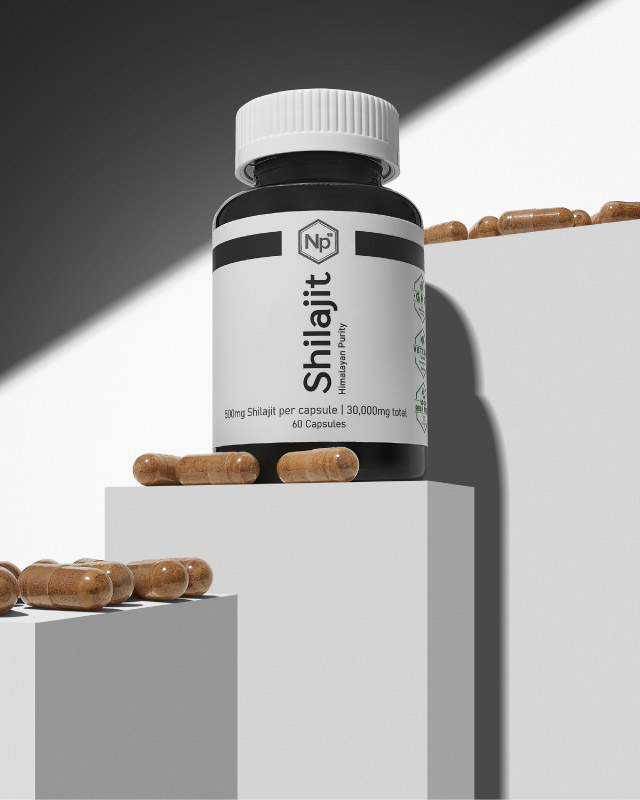
If you’re serious about natural energy and cognitive support, our pure shilajit capsules are a great place to start.
Product quality dramatically affects safety profile. Reputable manufacturers test for contaminants and verify purity. Look for products that provide certificates of analysis from independent laboratories. These documents confirm heavy metal testing and microbial screening.
GMP-certified facilities follow strict manufacturing standards. These practices minimize contamination risk during processing. Proper purification removes dangerous substances while preserving beneficial compounds. The purification process should eliminate heavy metals, free radicals, and harmful microorganisms.

How to Choose High-Quality Shilajit Products

Quality varies dramatically between shilajit products on the market. Inferior supplements may lack beneficial compounds or contain dangerous contaminants. Understanding quality markers helps you select safe, effective products. Several key factors indicate authentic, high-grade shilajit.
Geographical Origin Matters
Shilajit source location affects composition and quality. Himalayan shilajit traditionally holds the highest reputation. High-altitude sources generally contain more beneficial compounds. The Altai mountains of Russia also produce quality material. Some regions yield shilajit with higher fulvic acid content than others.
Climate, altitude, and local plant matter influence final composition. Verify the manufacturer discloses specific origin information. Vague “mountain source” claims may indicate lower quality or blended material. Authentic suppliers provide detailed sourcing information including specific mountain ranges or regions.
Premium Source Regions:
- Himalayan ranges (Nepal, Bhutan, Northern India)
- Altai Mountains (Russia, Mongolia)
- Caucasus Mountains (Georgia, Russia)
- Gilgit-Baltistan region of Pakistan

Testing and Certification Requirements
Third-party testing provides the most reliable quality verification. Independent laboratories analyze samples for purity and potency. These tests should screen for heavy metals including lead, arsenic, mercury, and cadmium. Microbial testing confirms absence of harmful bacteria and fungi.
Request certificate of analysis (COA) before purchasing. This document shows specific test results for the product batch. Reputable companies readily provide COAs to customers. The certificate should include testing date, methods used, and specific results for each parameter tested.
Essential Tests for Quality Verification:
- Heavy metals panel (lead, arsenic, mercury, cadmium)
- Microbial contamination screening
- Fulvic acid content measurement
- Absence of synthetic additives or fillers
- Pesticide and herbicide screening
- Radioactivity testing for certain regions
Form and Processing Methods
Shilajit form affects both quality and usability. Resin represents the least processed form, closest to natural state. It contains the highest concentration of active compounds. The thick, sticky consistency indicates minimal processing and maximum potency.
Powder forms offer convenience but may have lower concentrations. Some manufacturers add fillers or flow agents to powders. Capsules provide easy dosing but check what comprises the remaining capsule content. Liquid extracts vary widely in concentration and quality.
| Form | Quality Indicators | Advantages | Potential Issues |
| Resin (Pure) | Dark brown/black, sticky, strong mineral smell | Highest concentration, minimal processing, traditional form | Difficult to measure, strong taste, less convenient |
| Powder | Fine texture, uniform color, dissolves in water | Easy to measure, versatile use, mixes in beverages | May contain fillers, lower concentration possible |
| Capsules | Clear labeling of active content, vegetable capsules | Precise dosing, no taste, very convenient, portable | Unknown additives, reduced absorption, higher cost |
| Liquid Extract | Concentration clearly stated, proper preservation | Fast absorption, easy to adjust dose, no taste issues | Alcohol content, variable concentration, shorter shelf life |
Authenticity Verification Methods
Several tests help verify genuine shilajit at home. Authentic resin should dissolve completely in warm water, creating a golden to dark brown solution. It should not leave residue or sediment. The substance becomes pliable when warmed and hardens when cool.

Place a small amount between fingers and try to spread it. Real shilajit will not break apart easily but spreads when warm. It should have a distinct earthy, mineral smell. Fake products may smell like burnt rubber or have no odor. Test by placing a small piece in water overnight – pure shilajit dissolves completely.
Signs of Authentic Shilajit:
- Completely dissolves in warm water without residue
- Creates golden-brown to dark solution when dissolved
- Becomes soft and pliable with body heat
- Has strong, earthy mineral smell
- Turns hard and brittle when cold
- No burning plastic smell when heated slightly
Red Flags for Fake Products:
- Leaves sediment or doesn’t fully dissolve
- Abnormally low price compared to market average
- No sourcing information provided
- Missing testing certificates or documentation
- Chemical or burnt smell instead of earthy
- Unrealistic purity claims (over 95%)
Pricing and Value Considerations
Quality shilajit requires substantial processing and testing. Expect to pay more for authentic, tested products. Extremely low prices often indicate inferior quality or fake products. Pure resin typically costs more per gram than powders or capsules due to higher concentration.
Calculate cost per dose rather than just package price. A more expensive product with higher concentration may offer better value. Factor in testing certificates and brand reputation when comparing prices. Remember that contaminated products pose health risks that far exceed any savings.
Pricing Guidelines: Expect to pay $30-60 for 30 grams of quality resin, $20-40 for 60-90 capsules, or $25-50 for 100 grams of powder. Prices significantly below these ranges warrant skepticism about authenticity and quality.
Manufacturer Reputation and Transparency
Research company background before purchasing. Established manufacturers with good reputations prioritize quality control. Look for companies specializing in Ayurvedic products or supplements. They typically understand proper sourcing and processing requirements.

Check for customer reviews and testimonials across multiple platforms. Consistent negative feedback about quality or effects raises concerns. Verify the company provides clear contact information and responsive customer service. Transparency about sourcing, testing, and processing indicates reliability.
Look for manufacturers who educate consumers about their products. Quality companies provide detailed information about shilajit, its benefits, and proper use. They should answer questions about testing, sourcing, and safety. Avoid companies making unrealistic health claims or guarantees.
Frequently Asked Questions About Shilajit
How long does it take to see results from shilajit?
Can I take shilajit with other supplements?
Does shilajit need to be refrigerated?
Is shilajit safe for women?
What’s the best time of day to take shilajit?
Can shilajit help with weight loss?
Does shilajit interact with alcohol?
How is shilajit different from fulvic acid supplements?
Can shilajit cause dependency or tolerance?
Is shilajit vegan and vegetarian-friendly?

Scientific interest in shilajit has grown significantly in recent decades. Researchers examine its traditional uses through modern clinical trials. Studies investigate mechanisms of action at cellular and molecular levels. While research shows promise, more large-scale human trials are needed.
Key Clinical Studies
A 2012 study published in Andrologia examined shilajit’s effects on testosterone. Ninety infertile men received 200 mg twice daily for 90 days. Results showed significant increases in total testosterone and free testosterone levels. Sperm count and motility also improved substantially in participants.
Research in the Journal of Ethnopharmacology (2011) investigated cognitive effects. Animal studies demonstrated improved memory and learning capabilities. The research identified reduced oxidative stress in brain tissue as a key mechanism. These findings support traditional use for cognitive enhancement.

A 2016 controlled trial examined effects on chronic fatigue syndrome. Participants receiving shilajit reported significant fatigue reduction. The study measured mitochondrial function improvements as the probable cause. Energy metabolism markers showed statistically significant changes.
Mechanisms of Action
Research reveals multiple pathways through which shilajit affects the body. Fulvic acid enhances nutrient transport across cell membranes. This property improves absorption of minerals and other beneficial compounds. The substance also shows powerful free radical scavenging activity.
- Enhances mitochondrial oxygen utilization and ATP production
- Activates cellular defense mechanisms against oxidative stress
- Modulates immune system responses and inflammation pathways
- Supports healthy gene expression related to aging processes
- Chelates heavy metals and assists in their removal from tissues
- Improves nutrient bioavailability through enhanced absorption
Studies show shilajit influences gene expression related to inflammation. It appears to modulate cytokine production and inflammatory signaling. These effects may explain benefits for various chronic health conditions. Research continues to uncover additional molecular mechanisms.
Gaps in Current Research
Most existing studies use relatively small participant numbers. Larger clinical trials would strengthen evidence for health benefits. Long-term safety studies extending beyond one year remain limited. More research is needed on optimal dosing for specific conditions.
Research Limitations: Many studies were conducted in animals or in laboratory settings. Human clinical trials often lack standardization in shilajit preparations used. Variable product quality between studies makes comparing results challenging. More rigorous research with standardized products would enhance understanding.
Gender-specific effects require more investigation, particularly for women. Most testosterone studies focus exclusively on male participants. Research on pregnancy safety remains insufficient to draw conclusions. Interaction studies with common medications are also limited.

Shilajit vs. Other Popular Supplements

Understanding how shilajit compares to similar supplements helps inform choices. Each substance offers unique properties and benefits. Some work through similar mechanisms while others complement each other. Knowing these differences supports effective supplement selection.
Shilajit vs. Ashwagandha
Both are traditional Ayurvedic adaptogens but work differently. Ashwagandha primarily modulates stress response through cortisol regulation. It excels at reducing anxiety and supporting adrenal function. Shilajit focuses more on cellular energy production and mineral support.
Ashwagandha shows stronger effects for stress and anxiety management. Shilajit demonstrates superior benefits for physical energy and stamina. Many practitioners recommend combining them for synergistic effects. The two substances complement rather than compete with each other.
Shilajit Strengths:
- Rich mineral content (85+ trace minerals)
- High fulvic acid concentration for absorption
- Direct mitochondrial energy support
- Strong antioxidant properties
- Trace element supplementation
Ashwagandha Strengths:
- Powerful stress and anxiety reduction
- Cortisol regulation and adrenal support
- Sleep quality improvement
- Muscle recovery and strength gains
- Mood stabilization effects
Shilajit vs. Rhodiola Rosea
Rhodiola functions as an adaptogen focused on mental performance and fatigue. It works primarily through neurotransmitter modulation in the brain. The herb shows particular strength for mental fatigue and focus. Shilajit operates more systemically through cellular energy pathways.

Rhodiola excels for acute mental performance needs like studying or demanding projects. Shilajit provides broader benefits including physical stamina and metabolic support. Both reduce fatigue but through different mechanisms. Combining them may offer comprehensive energy support.
Shilajit vs. CoQ10
CoQ10 specifically targets mitochondrial function and energy production. This compound naturally declines with age, making supplementation valuable for older adults. Shilajit also supports mitochondria but offers additional benefits through its mineral content and fulvic acid.
CoQ10 shows particular strength for heart health and cellular energy. Shilajit provides broader effects including cognitive support and testosterone optimization. Some research suggests shilajit may enhance CoQ10 effectiveness when combined. Both substances support healthy aging through different pathways.
| Supplement | Primary Mechanism | Best For | Can Combine With Shilajit |
| Ashwagandha | Stress hormone modulation | Anxiety, stress, sleep quality | Yes – complementary effects |
| Rhodiola | Neurotransmitter regulation | Mental fatigue, focus, mood | Yes – different pathways |
| CoQ10 | Mitochondrial electron transport | Heart health, cellular energy | Yes – may enhance each other |
| Maca Root | Endocrine system support | Hormone balance, libido, stamina | Yes – synergistic for energy |
| Cordyceps | Oxygen utilization enhancement | Athletic performance, endurance | Yes – complementary for athletes |
Stacking Strategies
Many health practitioners recommend combining complementary supplements. Shilajit’s mineral content and absorption-enhancing properties make it an excellent foundation. It may improve effectiveness of other supplements taken concurrently. Strategic combinations can address multiple health goals simultaneously.

For comprehensive energy support, consider pairing shilajit with CoQ10 and B-complex vitamins. This combination supports mitochondrial function from multiple angles. For stress and energy, combine with ashwagandha and magnesium. Athletes might add cordyceps for performance enhancement.
Always introduce supplements one at a time when stacking. This approach helps identify individual effects and potential reactions. Wait 1-2 weeks between adding new supplements to your regimen. Monitor how combinations affect your energy, sleep, and overall well-being.
Making Informed Decisions About Shilajit

Shilajit represents a bridge between ancient wisdom and modern wellness. Scientific research continues validating traditional uses while uncovering new mechanisms. The substance offers multiple potential benefits, from energy support to cognitive enhancement. Quality and safety remain paramount when selecting products.
Understanding proper dosage, potential side effects, and quality markers empowers informed choices. Not everyone needs or benefits equally from shilajit supplementation. Individual health status, goals, and existing conditions determine appropriateness. Professional guidance helps navigate these considerations effectively.
Start with quality products from reputable sources that provide testing certificates. Begin with lower doses and monitor your body’s response carefully. Give the supplement adequate time to work – most benefits develop over weeks, not days. Maintain realistic expectations based on scientific evidence rather than marketing claims.
Remember that supplements complement, not replace, fundamental health practices. A balanced diet, regular exercise, adequate sleep, and stress management form the foundation. Shilajit can enhance these fundamentals but cannot compensate for poor lifestyle choices. Integrate it thoughtfully into a comprehensive wellness approach.
The growing body of research supports many traditional uses of this remarkable substance. As science advances, we’ll gain deeper understanding of how shilajit works and who benefits most. For now, approach it as a potentially valuable tool in your health optimization toolkit, used wisely under appropriate guidance.
Ready to Experience Pure Himalayan Shilajit??
If you’re serious about natural energy and cognitive support, our pure shilajit capsules are a great place to start.