 Author: Dale Hewett
Did you know that over 100 trillion bacteria live inside your digestive system right now? These tiny organisms form a unique ecosystem that’s as individual as your fingerprint. Among the many compounds these bacteria produce, polyamines stand out as powerful regulators of cellular renewal and wellness.
We’re exploring one of the most fascinating connections in human biology. The relationship between our intestinal bacteria and naturally occurring polyamines affects everything from digestion to how our cells regenerate themselves.
Your microbiome creates these compounds through several pathways. Some bacteria synthesize them directly, while others convert precursor molecules into these essential substances. We can also absorb them through the foods we eat.
This isn’t just another wellness trend. The science behind this connection reveals how our body’s natural processes work together to maintain optimal function. Throughout this article, we’ll walk you through the mechanisms, benefits, and practical steps you can take to support this incredible system.
Key Takeaways
- Your intestinal bacteria produce polyamines that support cellular renewal and overall wellness
- Every person’s microbiome is unique, creating individualized production of these beneficial compounds
- These molecules come from three sources: bacterial synthesis, tissue production, and dietary absorption
- The connection between microbiome and polyamines influences digestion, immunity, and metabolism
- Supporting your bacterial ecosystem can enhance natural production of these vital compounds
- Understanding this relationship opens new possibilities for optimizing your body’s natural processes
What Is Spermidine?
We often hear about vitamins and minerals, but spermidine represents a different category of wellness support altogether. Spermidine is a naturally occurring compound belongs to a family of molecules called polyamines that exist in every living cell. While its name might catch you off guard, spermidine has become one of the most researched compounds in longevity science. Check out our article where we explain what spermidine is.
Understanding spermidine means recognizing its unique ability to support cellular renewal throughout our bodies. Unlike simple nutrients that provide building blocks, this compound actually activates our cells’ internal maintenance systems. The connection between spermidine and gut health runs deeper than we might initially think, starting with how our cells function at the most basic level.
The Discovery and Science Behind Spermidine
Scientists first identified spermidine in seminal fluid back in the 1670s, though they didn’t understand its significance until centuries later. Modern research revealed this compound appears everywhere in nature—from wheat germ to mushrooms, and even within our own gut bacteria. What makes spermidine special is its classification as a polyamine, a group of small molecules with big responsibilities.
Three main polyamines work inside our cells: putrescine, spermidine, and spermine. Our bodies create putrescine first through a process called decarboxylation of ornithine in the cell’s cytoplasm. Then, through enzymatic reactions, cells convert putrescine into spermidine and eventually spermine. These polyamines carry positive charges that help them interact with our DNA and cellular structures.
The biological functions of polyamines extend across multiple systems. They regulate gene expression, help cells resist stress, and control both cell proliferation and differentiation. Think of them as cellular supervisors that keep operations running smoothly. Research shows that spermidine autophagy activation stands out as one of its most valuable functions for human health.
| Polyamine Type | Formation Process | Primary Functions | Health Impact |
|---|---|---|---|
| Putrescine | Produced from ornithine decarboxylation | Foundation for other polyamines, cell growth regulation | Supports tissue repair and development |
| Spermidine | Synthesized from putrescine enzymatically | Autophagy activation, gene regulation, stress resistance | Promotes cellular renewal and longevity |
| Spermine | Further enzymatic conversion of spermidine | DNA stabilization, cell differentiation control | Maintains cellular structure and function |
| Combined Effects | Coordinated synthesis pathway | Comprehensive cellular maintenance system | Whole-body wellness and disease prevention |
Spermidine’s Role in Cellular Renewal
The connection between spermidine and cellular renewal centers on a process called autophagy. This term comes from Greek words meaning “self-eating,” which perfectly describes what happens. Our cells use autophagy to break down damaged proteins, worn-out organelles, and other cellular debris. It’s like having a recycling program running inside every cell.

When we talk about spermidine autophagy, we’re describing how this compound kicks that recycling program into high gear. The process works like a cleanup crew that identifies damaged cellular components, packages them up, and breaks them down into reusable materials. These materials then get repurposed to build new, healthy cellular structures. This constant renewal keeps our cells functioning optimally.
As we age, our body’s natural spermidine production decreases significantly. This decline means less autophagy activation, which allows cellular damage to accumulate over time. The buildup of damaged components contributes to many age-related health challenges. Maintaining adequate spermidine levels becomes increasingly important as we get older because it supports the cellular renewal processes our bodies depend on.
The autophagy process particularly benefits rapidly dividing cells, like those lining our digestive tract. These intestinal cells face constant stress from food particles, bacteria, and digestive enzymes. Spermidine helps these cells maintain their integrity by promoting regular cellular cleanup and renewal cycles.
Why This Compound Matters for Modern Wellness
Recent studies have revealed compelling reasons to care about spermidine in our daily lives. Research shows that increased dietary intake of spermidine-rich foods reduces all-cause mortality, particularly deaths associated with cardiovascular disease. This finding suggests that spermidine influences multiple body systems simultaneously rather than targeting just one area.
For modern wellness, spermidine represents a bridge between traditional nutrition and cutting-edge longevity science. We now understand that supporting cellular renewal through autophagy activation offers benefits that extend far beyond any single organ system. From heart health to brain function, from immune response to digestive wellness, spermidine touches nearly every aspect of how our bodies maintain themselves.
The compound’s relevance grows as we face modern lifestyle challenges. Processed foods, environmental toxins, chronic stress, and sedentary habits all increase cellular damage. Spermidine provides our cells with extra support to handle these contemporary stressors. It helps maintain the cleanup processes that prevent damage accumulation.
Spermidine stands out as nature’s cellular maintenance compound, offering our bodies a way to activate their built-in renewal systems more effectively.
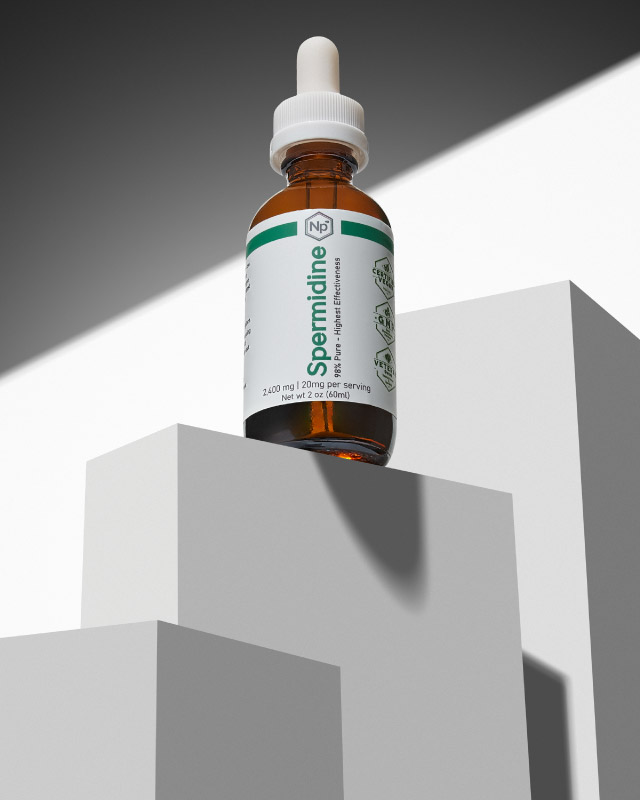
Quality matters when considering spermidine supplementation. New Phase Blends focuses on providing high-quality spermidine products that support your body’s natural processes. Their formulations recognize that effective supplementation requires both purity and proper dosing to activate the beneficial autophagy pathways we’ve discussed.
Understanding what spermidine is and why it matters sets the foundation for exploring its specific connection to gut health. This compound isn’t just another wellness trend—it represents a scientifically validated approach to supporting our body’s natural maintenance and renewal systems at the cellular level.
Understanding Your Gut Microbiome Ecosystem
We often think of bacteria as harmful, but the trillions living in our gut are actually essential partners in wellness. Your digestive system hosts an extraordinary community that works around the clock to support your health in ways we’re only beginning to fully understand. This complex ecosystem represents one of the most important frontiers in modern health science, and it connects directly to how compounds like spermidine function in our bodies.
At New Phase Blends, we recognize that true wellness comes from supporting your body’s natural systems. The gut microbiome stands at the center of this comprehensive approach to health. When we understand how this internal ecosystem operates, we can make better choices about nutrition, supplementation, and lifestyle habits that promote lasting vitality.
The Trillions of Microorganisms Living Within Us
Your gut houses approximately 100 trillion microorganisms, representing thousands of different species. These include bacteria, fungi, viruses, and other microscopic life forms that actually outnumber your human cells. This might sound overwhelming at first, but this diverse community is your greatest ally in maintaining overall wellness.
Each person’s gut microbiome is as unique as a fingerprint. Your specific microbial composition develops through genetics, early life experiences, diet, environment, and daily lifestyle choices. No two people share the exact same microbiome health profile, which explains why we each respond differently to foods, supplements, and health interventions.
These microorganisms aren’t passive residents simply taking up space. They actively produce vitamins, break down complex nutrients, communicate with our cells, and even manufacture compounds that influence our brain chemistry. The beneficial bacteria in our gut work continuously to maintain balance and protect us from harmful invaders.

How Our Microbiome Influences Whole-Body Health
The reach of our gut microbiome extends far beyond digestion. Recent research reveals that this internal ecosystem influences virtually every system in our body. From mental clarity to immune defense, the microorganisms in our digestive tract play surprisingly diverse roles in keeping us healthy and balanced.
Understanding these connections helps us appreciate why supporting our gut microbiome creates benefits throughout our entire body. Let’s explore three major ways our microbiome health shapes our overall wellness.
The Gut-Brain Axis
The gut-brain axis represents one of the most fascinating discoveries in modern health research. This bidirectional communication highway connects your digestive system directly to your central nervous system. What happens in your gut literally influences your brain, and vice versa.
Your gut bacteria produce neurotransmitters like serotonin, dopamine, and GABA—the same chemical messengers that regulate mood, anxiety, and cognitive function. In fact, about 90% of your body’s serotonin is produced in your digestive tract. This explains why gut health and mental wellbeing are so intimately connected.
The gut-brain axis works both ways. Stress and emotions from your brain can trigger digestive symptoms, while gut dysbiosis can contribute to mood changes, brain fog, and even anxiety. This connection reinforces why comprehensive wellness approaches must address both mental and digestive health together.
Immune System Regulation
Your gut serves as the training ground and command center for your immune system. Approximately 70% of your immune cells reside in the tissues surrounding your digestive tract. These immune cells constantly interact with your gut bacteria, learning to distinguish between helpful organisms and genuine threats.
Beneficial bacteria help educate your immune system, preventing it from overreacting to harmless substances like food proteins or pollen. When your microbiome is balanced, your immune response remains appropriate and effective. This protects you from both infections and inappropriate inflammatory reactions.
A healthy gut microbiome also maintains the intestinal barrier, preventing harmful substances from leaking into your bloodstream. This barrier function is critical for preventing systemic inflammation and supporting overall immune system regulation.
Metabolic Function and Weight Management
Your gut bacteria play a surprisingly important role in metabolism and weight management. These microorganisms help extract energy from food, synthesize certain vitamins, and influence how your body stores fat. Different bacterial species can either promote healthy weight maintenance or contribute to weight gain.
The microbiome affects how efficiently you absorb nutrients and how your body regulates blood sugar levels. Certain beneficial bacteria produce short-chain fatty acids that support metabolic health and help control inflammation. These compounds also influence hormones that regulate appetite and satiety.
Research shows that people with diverse, balanced microbiomes tend to maintain healthier weights more easily. This connection between gut bacteria and metabolism explains why two people eating the same diet might experience very different outcomes in weight management and energy levels.
| Body System | Microbiome Influence | Key Benefits | Impact of Imbalance |
|---|---|---|---|
| Nervous System | Gut-brain axis communication | Improved mood, mental clarity, stress resilience | Anxiety, depression, cognitive decline |
| Immune System | 70% of immune cells in gut | Balanced immune response, infection resistance | Chronic inflammation, autoimmunity, frequent illness |
| Metabolic System | Nutrient extraction and hormone production | Healthy weight, stable blood sugar, sustained energy | Weight gain, metabolic syndrome, fatigue |
| Digestive System | Barrier protection and motility | Regular elimination, nutrient absorption, comfort | Bloating, irregularity, nutrient deficiencies |
What Disrupts Microbiome Balance
Despite the resilience of our gut microbiome, several common factors can disrupt this delicate balance. When disruption occurs, we experience gut dysbiosis—an imbalance in the types and numbers of microorganisms in our digestive tract. This imbalance can trigger a cascade of health challenges throughout the body.
Antibiotic use represents one of the most common causes of dysbiosis. While antibiotics are sometimes necessary and lifesaving, they don’t discriminate between harmful pathogens and beneficial bacteria. A single course of antibiotics can significantly alter your microbiome composition, sometimes for months afterward.
Poor dietary choices also dramatically impact microbiome health. Diets high in processed foods, added sugars, and unhealthy fats starve beneficial bacteria while feeding harmful species. Lack of dietary fiber—the primary food source for good bacteria—further contributes to microbial imbalance.
Chronic stress affects the gut through the gut-brain axis, altering gut motility, increasing intestinal permeability, and shifting bacterial populations toward less beneficial species. Sleep deprivation creates similar disruptions, as our microbiome follows circadian rhythms just like the rest of our body.
Environmental factors including exposure to toxins, pesticides, and certain medications beyond antibiotics can also damage our microbial ecosystem. Even excessive alcohol consumption and lack of physical activity contribute to gut dysbiosis over time.
When we experience gut dysbiosis, the symptoms extend well beyond digestive discomfort. We might notice changes in energy levels, mood disturbances, weakened immunity, skin problems, and increased inflammation throughout the body. Recognizing these disruptions helps us take proactive steps to restore balance and support our microbiome health naturally.
Spermidine Gut Health: The Direct Connection
Our gut bacteria work as tiny spermidine factories, creating this powerful compound exactly where our body needs it most. The relationship between our microbiome and spermidine isn’t just coincidental. It represents a sophisticated biological system that has evolved over millions of years to keep our digestive tract functioning at its best.
What makes this connection so special is how spermidine benefits digestion through multiple pathways simultaneously. We’re not talking about a simple one-way interaction. Instead, our gut creates spermidine, which then supports the very cells that house these beneficial bacteria, creating a positive feedback loop that promotes overall wellness.
How Spermidine Interacts with Gut Bacteria
Specific bacterial species living in our digestive tract actively synthesize spermidine as part of their normal metabolic activities. These microorganisms convert precursor compounds into spermidine right at the site where it can do the most good. This local production means our intestinal cells receive a steady supply of this beneficial compound.
The beauty of this system lies in its efficiency. Once produced, spermidine works by getting absorbed directly through our intestinal wall into the bloodstream. From there, it travels throughout our body, supporting cellular health in tissues far beyond the gut itself.
Our microbiome doesn’t just randomly produce spermidine. The cellular mechanisms that regulate polyamine production respond to various signals, including our diet, stress levels, and overall health status. This means we can influence how much spermidine our gut bacteria create through the lifestyle choices we make every day.
The Autophagy Process in Intestinal Cells
To truly understand how spermidine supports our digestive wellness, we need to explore one of the most important cellular processes happening in our gut right now. Intestinal cells autophagy represents our body’s built-in renewal system, and spermidine acts as a powerful activator of this process.
What Is Autophagy
Autophagy literally translates to “self-eating,” though the process is far more sophisticated than this name suggests. Think of it as our cells’ quality control and recycling program. When autophagy activates, cells identify components that have become damaged, dysfunctional, or simply worn out from use.
These cellular components might include misfolded proteins, damaged organelles, or accumulated waste products. Instead of letting these elements pile up and cause problems, autophagy breaks them down into basic building blocks. The cell can then reuse these materials to create new, healthy structures.
For our intestinal cells, this process runs constantly. These cells face unique challenges every single day. They encounter everything we consume, from beneficial nutrients to potential toxins, bacteria, and various environmental stressors.
Why Autophagy Matters for Gut Health
Without effective autophagy, our intestinal cells would accumulate damage at an alarming rate. This accumulated damage would compromise their ability to absorb nutrients, maintain barrier integrity, and protect us from harmful substances. Spermidine’s ability to promote intestinal cells autophagy keeps these critical cells functioning optimally.
Research shows that autophagy becomes less efficient as we age. This decline contributes to various age-related digestive issues. By supporting autophagy through spermidine, we can help maintain the youthful function of our gut cells, preserving digestive wellness throughout our lifespan.
Spermidine’s Impact on the Intestinal Barrier
One of spermidine’s most crucial roles involves maintaining the integrity of our intestinal barrier. This barrier functions as a sophisticated security system, carefully controlling what passes from our digestive tract into our bloodstream. The intestinal barrier must strike a delicate balance—tight enough to block harmful substances yet selective enough to allow beneficial nutrients through.
The barrier itself consists of specialized connections called tight junctions. These structures link adjacent intestinal cells together, creating a nearly seamless protective layer. When tight junctions function properly, harmful bacteria, toxins, and undigested food particles stay safely contained within the digestive tract.
Unfortunately, various factors can compromise this barrier. Poor diet, chronic stress, certain medications, and aging can all weaken tight junctions. When this happens, the barrier becomes more porous—a condition commonly known as “leaky gut.” This increased permeability allows substances that should stay in the gut to enter the bloodstream, potentially triggering inflammation throughout the body.
Spermidine strengthens these tight junctions through multiple mechanisms. It supports the production of proteins that form the structural backbone of these connections. Additionally, spermidine’s anti-inflammatory and antioxidant properties protect the cells that make up the barrier from damage caused by reactive oxygen species and chronic inflammation.
| Intestinal Barrier Factor | Healthy State | Compromised State | Spermidine’s Role |
|---|---|---|---|
| Tight Junction Integrity | Strong, selective permeability | Weakened, excessive permeability | Strengthens junction proteins and maintains cellular structure |
| Inflammation Levels | Minimal, controlled response | Chronic, damaging inflammation | Reduces inflammatory markers through antioxidant activity |
| Cell Turnover Rate | Balanced renewal and replacement | Delayed or excessive turnover | Promotes autophagy for optimal cell maintenance and renewal |
| Oxidative Stress | Low reactive oxygen species | High oxidative damage | Provides antioxidant protection to prevent epithelial damage |
What Current Research Tells Us
The scientific evidence supporting spermidine’s role in gut health continues to grow stronger. Recent studies consistently demonstrate that spermidine supplementation improves markers of intestinal barrier function in both animal models and human trials. These improvements show up as measurable changes in tight junction protein expression and reduced intestinal permeability.
Researchers have also documented spermidine’s ability to reduce intestinal inflammation. Multiple studies show decreased levels of inflammatory markers in the gut tissue of subjects receiving spermidine. This anti-inflammatory effect appears particularly beneficial for individuals with chronic digestive conditions or those experiencing age-related gut changes.
What excites us most about current research is how it validates the connection between microbiome-produced spermidine and whole-body health. Studies tracking spermidine levels show that individuals with healthier, more diverse microbiomes tend to have higher levels of this beneficial compound. This finding reinforces the importance of supporting our gut bacteria through proper nutrition and lifestyle choices.
New Phase Blends stays informed by the latest research developments in gut health and spermidine science. We understand that the field continues to evolve, with new discoveries emerging regularly. This ongoing research helps us appreciate the full spectrum of how spermidine benefits digestion and supports our overall wellness journey.
The Remarkable Benefits of Spermidine for Digestive Wellness
The digestive benefits of spermidine extend far beyond basic gut health, touching every aspect of our wellness journey. When we provide our body with adequate spermidine support, we unlock a series of powerful benefits that work together to optimize our entire digestive system. These benefits range from strengthening our intestinal barriers to supporting healthy aging of our digestive tissues.
Understanding these specific advantages helps us appreciate why spermidine has become such an important focus in gut health research. Let’s explore exactly how this compound transforms our digestive wellness.
Strengthening Your Gut Lining
Our gut lining serves as the frontline defense between our internal systems and the outside world. Spermidine reinforces this critical barrier by promoting autophagy in intestinal cells, which helps maintain the integrity of tight junctions.
These tight junctions act like carefully controlled gates in our gut barrier function. When they work properly, they allow beneficial nutrients to pass through while keeping harmful substances out. Spermidine helps preserve the structural proteins that hold these junctions together.
A stronger gut lining means fewer digestive complaints and better protection against toxins. New Phase Blends formulations are specifically designed to support this strengthening process, delivering spermidine in forms that our body can readily use. The result is a more resilient intestinal barrier that serves us well day after day.
Reducing Inflammation Throughout the Digestive Tract
Chronic gut inflammation creates a cascade of problems that affect our entire body. Spermidine works at the cellular level to modulate immune responses, promoting anti-inflammatory immune cells called macrophages.
Research shows that spermidine supplementation upregulates these anti-inflammatory macrophages while dampening excessive inflammatory signals. This balanced immune response helps reduce discomfort and supports better overall digestive function.
The anti-inflammatory effects don’t stop at symptom relief. By addressing gut inflammation at its source, spermidine helps prevent the long-term damage that chronic inflammation can cause. This protective action extends throughout our entire digestive tract, from the stomach to the colon.
Supporting Healthy Gut Motility and Regularity
Proper digestive timing matters more than many of us realize. Spermidine helps establish a healthy rhythm in our digestive system, supporting the smooth muscle contractions that move food through our intestines.
This isn’t just about preventing constipation or loose stools. Healthy motility ensures that waste products are eliminated efficiently while giving our body adequate time to absorb nutrients. The polyamines, including spermidine, contribute to tissue homeostasis of the gastrointestinal mucosa.
Many people notice improved regularity when they support their spermidine levels. This consistent, comfortable digestive rhythm becomes part of our daily wellness routine, something we can depend on.
Enhancing Nutrient Absorption
Even the healthiest diet falls short if our body can’t absorb the nutrients it contains. Spermidine enhances our gut’s ability to extract and utilize vitamins, minerals, and other beneficial compounds from food.
Healthy intestinal cells with strong gut barrier function are more effective at selectively absorbing what we need. Spermidine supports the cellular polyamine availability that contributes to proper epithelial cell division and function.
This improved absorption means we get more value from every meal we eat. Our body becomes more efficient at nourishing itself, which supports energy levels, immune function, and overall vitality.
Promoting Healthy Aging of Digestive Tissues
Our digestive system naturally experiences wear and tear as we age. Spermidine’s autophagy-activating properties help our gut cells maintain their function, repair damage, and continue operating efficiently year after year.
The compound works by maintaining chromatin structure, supporting membrane stability, and scavenging free radicals that contribute to cellular aging. These protective mechanisms preserve the health of our digestive tissues over time.
New Phase Blends recognizes the importance of supporting digestive wellness throughout our entire lifespan. Their formulations deliver spermidine alongside complementary nutrients that work synergistically to promote healthy aging of our gut.
| Digestive Benefit | Mechanism of Action | Observable Outcomes | Timeline for Results |
|---|---|---|---|
| Strengthened Gut Barrier | Maintains tight junction integrity through autophagy | Reduced digestive discomfort, better toxin protection | 4-8 weeks |
| Reduced Inflammation | Upregulates anti-inflammatory macrophages | Less digestive discomfort, improved immune balance | 2-6 weeks |
| Improved Motility | Supports tissue homeostasis and smooth muscle function | Better regularity, comfortable digestion | 1-4 weeks |
| Enhanced Absorption | Optimizes epithelial cell division and function | Better nutrient utilization, increased energy | 3-8 weeks |
| Tissue Longevity | Scavenges free radicals, maintains cellular structures | Sustained digestive function with aging | 8-12 weeks |
These benefits work together to create a comprehensive approach to digestive wellness. When we support our spermidine levels through diet, lifestyle, and quality supplementation, we invest in our gut health for the long term. The protective effects against gut inflammation and the strengthening of gut barrier function create a foundation for vibrant health that extends far beyond our digestive system.
How Your Gut Bacteria Actually Produce Spermidine
Understanding the fascinating process of gut bacteria spermidine production reveals why nurturing our microbiome is essential for maintaining healthy levels of this compound. Our digestive system houses a complex biochemical factory where different bacterial species work together to manufacture spermidine. This collaborative effort demonstrates just how interconnected our health is with the microorganisms living inside us.
The production process involves specific enzymatic pathways that transform simple compounds into spermidine. Almost all gut bacteria utilize specialized enzymes called carboxyspermidine dehydrogenase and carboxyspermidine decarboxylase for this biosynthesis. These enzymes act like molecular assembly lines, carefully converting precursor molecules into the final spermidine compound we need.
The Bacterial Species Behind Spermidine Production
Several key bacterial groups in our gut play starring roles in microbiome spermidine synthesis. Bacteroides species represent some of the most abundant bacteria in our intestines, and they harbor the essential enzymes needed for direct spermidine production. These microscopic workers can create spermidine from scratch using the complete biosynthetic pathway.
Bifidobacterium species contribute differently but equally importantly to the process. These beneficial bacteria produce putrescine, which serves as a crucial building block for spermidine. Other bacteria can then take this putrescine and convert it into spermidine through additional enzymatic steps.
The teamwork doesn’t stop there. Research shows that E. coli and Enterococcus faecalis can cooperate through complementary pathways to produce putrescine together. This partnership demonstrates that probiotic spermidine production often requires multiple bacterial species working in harmony.
Many colonic microbial species do not possess complete synthetic pathways to produce polyamines, suggesting metabolic interactions among bacterial species in the gut.
This metabolic cooperation means that maintaining diverse bacterial populations is crucial. No single species can do all the work alone. Supporting a rich ecosystem of different beneficial bacteria ensures we have all the enzymatic steps covered for optimal spermidine production.
| Bacterial Species | Primary Role | Spermidine Contribution | Abundance in Gut |
|---|---|---|---|
| Bacteroides species | Direct synthesis | Complete biosynthetic pathway | High (20-40%) |
| Bifidobacterium species | Precursor production | Produces putrescine | Moderate (5-10%) |
| E. coli | Cooperative synthesis | Complementary pathway partner | Low (1-2%) |
| Enterococcus faecalis | Cooperative synthesis | Putrescine co-production | Low (0.5-1%) |
Factors That Influence How Much Spermidine Your Gut Makes
Several important factors determine how efficiently our gut bacteria produce spermidine. Understanding these influences helps us make informed choices about supporting our gut bacteria spermidine production naturally. The good news is that many of these factors are within our control. There are many foods high in spermidine, naturally, but your gut does play a role in the production of it.
Dietary Influences
What we eat profoundly impacts our microbiome’s ability to manufacture spermidine. Fiber-rich foods provide the raw materials our gut bacteria need to thrive and produce beneficial compounds. When bacteria ferment dietary fiber, they create short-chain fatty acids that lower intestinal pH.
This slightly acidic environment creates ideal conditions for microbiome spermidine synthesis. Foods containing polyamine precursors or polyamines themselves also boost production by supplying ready-made building blocks. Think of it as providing both the workers and the construction materials for spermidine production.
New Phase Blends supports these natural spermidine production pathways by incorporating ingredients that nourish beneficial bacteria. Their formulations recognize that supporting the gut microbiome creates lasting benefits rather than just supplementing with isolated compounds.
Age-Related Changes
As we get older, our intracellular spermidine pool significantly reduces. This happens because we become less able to synthesize spermidine ourselves, and our gut bacteria’s production capacity also declines. The composition of our microbiome shifts with age, often in unfavorable ways.
Beneficial spermidine-producing species like Bifidobacterium typically decrease as we age. Meanwhile, less beneficial bacteria may increase, disrupting the balanced ecosystem needed for optimal probiotic spermidine production. This natural decline makes supporting our microbiome even more important as the years pass.
Antibiotic Use and Medications
Antibiotics can dramatically disrupt the delicate system of gut bacteria spermidine production. While sometimes medically necessary, these medications don’t distinguish between harmful pathogens and beneficial bacteria. They often wipe out spermidine-producing species along with the bacteria they’re targeting.
Certain other medications can also affect microbiome composition and function. Proton pump inhibitors, non-steroidal anti-inflammatory drugs, and some diabetes medications all influence which bacteria thrive in our gut. This ripple effect impacts microbiome spermidine synthesis capacity.
The consumption of specific probiotic strains like B. animalis subsp. lactis LKM512 shows promise for restoring balance. This probiotic strain colonizes the colon and alters intestinal microbiota in ways that enhance polyamine production, including probiotic spermidine.
The Diet-Microbiome-Spermidine Connection
The relationship between what we eat, our gut bacteria, and spermidine production forms a powerful virtuous cycle. When we consume foods that support beneficial bacteria, we enhance their ability to produce spermidine. This increased production then supports overall gut health, creating an environment where beneficial bacteria thrive even more.
This positive feedback loop explains why dietary approaches to gut health often produce lasting results. We’re not just adding nutrients—we’re cultivating an internal ecosystem that continuously generates health-promoting compounds. Supporting your microbiome through thoughtful nutrition becomes an investment that keeps paying dividends.
Understanding these connections empowers us to make choices that optimize our gut bacteria spermidine production naturally. By focusing on diverse, fiber-rich foods and considering targeted probiotic support when needed, we work with our microbiome rather than against it. This partnership approach represents the future of personalized digestive wellness.
Signs Your Gut Might Benefit from Spermidine Support
How do we know if our gut could use some extra help from spermidine? Our digestive system often sends us clear signals when something isn’t quite right. Recognizing these signs can help us take proactive steps toward better intestinal health spermidine levels and overall wellness. Read more in our guide on how to naturally increase spermidine levels.
Several telltale indicators suggest our gut microbiome might be struggling. When gut dysbiosis occurs—an imbalance in our microbiota—our bodies respond with symptoms we shouldn’t ignore. Understanding these warning signs empowers us to seek appropriate gut health support when we need it most.
Persistent Bloating and Irregular Bowel Movements
One of the most common signs we need additional support is ongoing digestive discomfort. This might show up as bloating after meals, unpredictable bathroom schedules, or occasional cramping that disrupts our day.
While everyone experiences occasional digestive upset, persistent issues tell a different story. When these symptoms become regular companions, they often signal compromised gut barrier function or microbiome imbalance—two areas where spermidine plays crucial supportive roles.
We might notice that certain foods suddenly cause problems they never did before. Or perhaps we feel a general sense that our digestion just isn’t working as smoothly as it should. These everyday experiences matter more than we might think.
Managing Long-Term Inflammatory Gut Issues
For those of us dealing with chronic inflammatory digestive conditions, spermidine becomes even more relevant. Ongoing gut inflammation can trigger inappropriate immune signaling responses and compromise intestinal barrier integrity.
The autophagy-promoting effects of spermidine may help our intestinal cells better manage inflammation and repair cellular damage. This natural process becomes particularly important when dealing with conditions characterized by persistent digestive discomfort and inflammation.
Research shows that inflammation in the gut can lead to dysbiosis and “leaky gut” in older adults with poor health. Supporting our body’s natural spermidine production through diet or supplementation offers a science-backed approach to addressing these concerns.
Natural Changes in Digestion as We Get Older
Age-related digestive changes affect nearly all of us eventually. We might notice that foods we once enjoyed now cause issues, or that our digestion feels slower overall.
This isn’t simply “normal aging” we must accept. As we age, our intracellular spermidine pool significantly reduces. This decline directly impacts our digestive system’s ability to maintain healthy function and resilience.
Low spermidine levels negatively affect our health, wellbeing, and longevity. Supporting these declining levels can help counteract age-related digestive changes and restore the vitality we remember.
Interestingly, between 40% and 70% of older adults experience chronic sleep issues. Spermidine supplementation has been shown to improve circadian rhythm, demonstrating how gut health support extends beyond just digestive benefits.
Rebuilding After Antibiotic Use
Recovery from antibiotic treatment represents a critical time when our gut needs extra support. Antibiotics can disrupt the delicate microbiome system, wiping out both harmful and beneficial bacteria without discrimination.
After this disruption, our gut must rebuild its entire ecosystem from the ground up. This recovery period determines whether we bounce back quickly or struggle with lingering digestive issues for months.
Supporting this recovery with spermidine—either through spermidine-rich foods or quality supplementation—can help restore gut barrier function. It also creates favorable conditions for beneficial bacteria to recolonize more effectively.
For those experiencing any of these signs, New Phase Blends offers targeted solutions designed to support intestinal health spermidine levels. Their formulations combine the power of spermidine with complementary compounds that work synergistically to restore digestive balance and promote long-term gut wellness.
Natural Sources and Supplementation Options
Finding reliable natural spermidine sources means exploring both whole foods and evidence-based supplementation options. Our bodies benefit from spermidine whether it comes from our plates or from carefully formulated products. Understanding both approaches helps us make informed decisions about supporting our gut health and cellular renewal processes.
The good news is that many delicious, accessible foods contain meaningful amounts of this important compound. At the same time, modern supplementation offers convenience and consistency that dietary sources alone may not always provide.
Foods Naturally Rich in Spermidine
We can find this beneficial compound in various everyday foods. Some sources provide particularly high concentrations that make them worth incorporating regularly into our meals. The following categories represent the most accessible and richest spermidine food sources available to us.
Wheat Germ and Whole Grains
Wheat germ stands out as the single richest dietary source of spermidine we can find. Just a few tablespoons provide substantial amounts of this compound. This concentration is exactly why high-quality supplements often use wheat germ extract as their primary ingredient.
Beyond wheat germ, whole grains offer meaningful benefits too. Brown rice, whole grain breads, oats, and barley all contribute to our daily intake. The key difference lies in choosing unrefined versions—processing removes much of the spermidine along with other valuable nutrients.
Aged Cheeses
The aging process actually increases polyamine content in cheese. This makes aged varieties particularly valuable for our spermidine intake. Aged cheddar, parmesan, manchego, and gruyere all contain notable amounts.
These cheeses add both flavor and functional benefits to our meals. A modest serving provides spermidine while enhancing the taste of everything from salads to pasta dishes.
Mushrooms and Legumes
Plant-based eaters have excellent options for spermidine intake. Shiitake mushrooms rank among the highest vegetable sources we can incorporate. Other mushroom varieties provide benefits as well, though shiitake leads the group.
Legumes offer another accessible path to spermidine. Soybeans contain the highest concentrations, followed by chickpeas, lentils, and various beans. These foods fit easily into diverse dietary patterns and cooking styles.
Fermented Foods
Fermented options deserve special attention for their dual benefits. They contain spermidine themselves while also supporting the gut bacteria that produce this compound internally. This makes them particularly valuable for comprehensive gut health.
Natto, a traditional Japanese fermented soybean dish, contains exceptionally high levels. Kimchi, sauerkraut, and certain fermented soy products like tempeh also contribute meaningfully. Including these foods regularly supports both our spermidine levels and our overall microbiome diversity.
| Food Source | Spermidine Content | Serving Size | Additional Benefits |
|---|---|---|---|
| Wheat Germ | High (15+ mg/100g) | 2-3 tablespoons | Vitamin E, fiber, B vitamins |
| Aged Cheddar | Moderate (5-10 mg/100g) | 1 ounce | Calcium, protein, vitamin K2 |
| Shiitake Mushrooms | Moderate (5-8 mg/100g) | 1 cup cooked | Beta-glucans, vitamin D, selenium |
| Natto | Very High (20+ mg/100g) | 3 ounces | Vitamin K2, probiotics, protein |
How Much Spermidine Do We Actually Need
Currently, no official recommended daily intake exists for spermidine. However, clinical research provides helpful guidance based on observed benefits. Studies suggest that 1-6 mg per day represents an optimal range for supplementation.
Most research showing positive health outcomes used doses within this range. Our bodies absorb spermidine quickly from the small intestine, whether from food or supplements. The majority of polyamines we consume get absorbed shortly after a meal.
Through diet alone, consistently reaching these levels presents challenges. We would need to eat wheat germ daily or consume large amounts of aged cheese and fermented foods. For many of us, this approach isn’t practical or appealing.
As we age, our bodies produce less spermidine naturally. This age-related decline makes supplementation increasingly sensible for maintaining optimal levels. The gap between what our bodies make and what we need grows wider with each passing year.
Understanding Spermidine Supplementation
Quality spermidine supplements bridge the gap between dietary intake and optimal levels. They offer consistency and convenience that food sources alone may not provide. However, not all products deliver equal benefits.
The best supplements derive from natural, food-based sources rather than synthetic versions. Wheat germ extract remains the gold standard because it provides spermidine in its naturally-occurring form. This form includes cofactors and complementary compounds that support absorption and utilization.
Bioavailability matters enormously. Spermidine supplements that closely mirror natural food sources tend to absorb better than isolated synthetic compounds. This is why we prioritize extraction methods that preserve the compound’s natural matrix.
Dosing should align with research findings. Most effective supplements provide between 1-6 mg per serving, matching the ranges used in clinical studies. Higher doses aren’t necessarily better and may not offer additional benefits.
What We Look for in Quality Spermidine Products
Several key factors separate excellent supplements from mediocre options. We should always look for transparency about sourcing and production methods. Products should clearly state whether they use wheat germ, other plant sources, or synthetic compounds.
Third-party testing provides essential verification. Independent laboratories should confirm both purity and potency. This testing protects us from contaminants and ensures we’re getting what the label promises.
Quality formulations consider synergistic compounds that naturally occur with spermidine. The best products don’t isolate this single compound but preserve complementary nutrients that enhance absorption and effectiveness. At New Phase Blends, we prioritize these comprehensive formulations.
We also look for brands that invest in research and education. Companies that understand the science behind spermidine and gut health typically produce superior products. They formulate based on evidence rather than marketing trends.
Here are essential quality markers we recommend checking:
- Clear sourcing information indicating natural, food-based origins
- Third-party testing certifications for purity and potency
- Appropriate dosing that matches clinical research ranges
- Transparent labeling with complete ingredient disclosure
- Manufacturing in certified facilities with quality controls
New Phase Blends meets all these criteria, offering spermidine supplements that support both gut health and cellular renewal. Our formulations use wheat germ extract to ensure high bioavailability. We include naturally-occurring cofactors that work synergistically with spermidine.
Every batch undergoes rigorous third-party testing. This commitment to quality means you receive a product that delivers the benefits research suggests. Our dosing aligns with clinical studies, providing optimal amounts without excess.
Whether you choose to focus on spermidine food sources, add quality supplements, or combine both approaches, consistency matters most. Regular intake supports the ongoing cellular processes that maintain gut health and promote healthy aging throughout your digestive system.
Incorporating Spermidine into Your Gut Health Routine
Understanding spermidine’s benefits is just the beginning—the real transformation happens when we weave it into our daily digestive wellness routine. Creating an effective gut health optimization strategy means considering timing, combinations, and lifestyle factors that work together. When we approach spermidine as part of a comprehensive plan rather than an isolated supplement, we maximize its potential for supporting our microbiome and overall wellness.
The way we incorporate spermidine into our lives matters just as much as the decision to use it. Small, consistent actions create lasting change in our gut environment.
Optimal Timing and Dosage Considerations
Timing plays a crucial role in how effectively spermidine supports our gut health optimization efforts. Since autophagy—the cellular renewal process spermidine activates—occurs most actively during overnight fasting, taking spermidine in the evening aligns with our body’s natural rhythms. Many people find that taking their spermidide supplement before bed or with their last meal of the day works exceptionally well.
Research shows that autophagy peaks during the fasted state when our cells shift into repair mode. By taking spermidine before this window, we support our body’s existing cellular renewal processes.
For dosage, starting with 1-2 mg daily provides a gentle introduction for most people. Based on individual needs and responses, we can gradually increase to 5-6 mg daily. The key is consistency rather than finding a perfect dose—regular daily intake allows spermidine levels to build and maintain over time, creating sustained benefits for our digestive system.
Combining Spermidine with Probiotics and Prebiotics
Creating a powerful spermidine lifestyle approach means combining external supplementation with support for our gut’s internal production. Probiotics introduce beneficial bacteria that can produce spermidine themselves, while prebiotics provide the fuel these bacteria need to thrive. This synergy between external and internal sources proves more effective than either strategy alone.
Studies demonstrate that yogurt containing probiotics with polyamine-producing microbes improves endothelial function. Fermentable carbohydrates in our large bowel contribute to increased bacterial polyamine formation, showing how diet and microbiome work together.
We recommend incorporating fermented foods like yogurt, kefir, sauerkraut, and kimchi regularly. These foods deliver live beneficial bacteria directly to our gut. Pairing them with prebiotic fibers like inulin, resistant starch from cooked and cooled potatoes or rice, and fiber from vegetables creates the ideal environment for spermidine-producing bacteria to flourish.
| Spermidine Support Strategy | Key Components | Timing Recommendation | Expected Benefits |
|---|---|---|---|
| Direct Supplementation | 1-6 mg spermidine daily | Evening or before bed | Consistent autophagy support, cellular renewal enhancement |
| Probiotic Integration | Fermented foods, probiotic supplements | With meals throughout day | Internal spermidine production, microbiome diversity |
| Prebiotic Foundation | Fiber-rich vegetables, resistant starch, inulin | Multiple meals daily | Fuel for beneficial bacteria, increased polyamine formation |
| Dietary Synergy | Spermidine-rich foods plus diverse plants | Regular meals | Multiple pathways for spermidine intake and production |
Dietary Strategies That Enhance Spermidine’s Effects
Beyond direct spermidine intake, our overall eating patterns significantly influence how well this compound works in our bodies. A diverse, plant-rich diet supports microbiome diversity, creating more opportunities for beneficial bacteria to produce spermidine naturally. The more varied our plant food intake, the more diverse bacterial species we cultivate in our digestive system.
Adequate protein intake matters because amino acids serve as precursors for polyamine synthesis. Our bodies need these building blocks to create spermidine and related compounds. Including quality protein sources at meals supports this internal production pathway.
Foods rich in polyphenols—colorful fruits, vegetables, tea, and cocoa—deserve special attention in our digestive wellness routine. These plant compounds support beneficial gut bacteria and reduce inflammation throughout the digestive tract. When we combine polyphenol-rich foods with spermidine, we create multiple layers of support for intestinal health and microbiome balance.
Lifestyle Factors That Support Both Spermidine and Microbiome Health
Our daily habits profoundly influence both how spermidine functions and the health of our gut ecosystem. Environmental stimuli can modulate gut microbiota metabolism as well as the absorption and release of polyamines, making lifestyle choices critical to our gut health optimization strategy. Three factors stand out as particularly important for creating an environment where spermidine and our microbiome can thrive together.
Sleep and Circadian Rhythms
The connection between sleep and gut health runs deeper than most people realize. Maintaining consistent sleep-wake times supports both our microbiome composition and spermidine’s autophagy-promoting effects. Research shows strong evidence for positive involvement of spermidine in improving circadian rhythm as we age, creating a beneficial cycle.
Poor sleep disrupts gut bacteria populations and reduces the effectiveness of cellular renewal processes. When we prioritize 7-9 hours of quality sleep with consistent timing, we support the overnight fasted state where autophagy peaks. This makes our spermidine lifestyle approach far more effective.
Creating a regular sleep schedule, even on weekends, helps synchronize our body’s internal clock with our gut’s rhythms. This simple practice amplifies the benefits we receive from spermidine supplementation and dietary strategies.
Stress Management
Chronic stress directly alters microbiome composition in ways that undermine our digestive wellness routine. Stress often reduces beneficial bacteria populations while increasing inflammatory species that compromise gut barrier function. This shift creates an environment where spermidine’s protective effects become even more necessary but potentially less effective.
Practices like meditation, deep breathing exercises, yoga, or whatever helps us manage daily stress deserve priority in our routine. These aren’t optional extras—they’re essential components of maintaining the gut environment where spermidine works best. Even 10-15 minutes of stress reduction practice daily can shift our microbiome toward healthier patterns.
We find that combining stress management with spermidine supplementation creates synergistic benefits. Both support cellular resilience and reduce inflammatory processes throughout our body, including our digestive system.
Regular Physical Activity
Movement benefits our microbiome in remarkable ways that complement spermidine’s effects. Regular physical activity increases bacterial diversity in our gut and produces compounds that strengthen gut barrier function. This directly supports the intestinal integrity that spermidine helps maintain through cellular renewal.
We don’t need intense exercise to see benefits—moderate activity like brisk walking, swimming, or cycling for 30 minutes most days creates positive changes in our gut ecosystem. Exercise also improves gut motility, reducing transit time and supporting regular elimination patterns.
The combination of regular movement and spermidine creates a powerful foundation for gut health optimization. Together, they address multiple aspects of digestive wellness, from barrier function to inflammation control to microbiome diversity. This comprehensive approach gives us the best chance for lasting improvements in how we feel and function every day.
Conclusion
The spermidine gut health connection represents a powerful opportunity to enhance our wellness from the inside out. We’ve discovered how this remarkable compound works in partnership with our microbiome to support digestive wellness and longevity.
The science speaks for itself. Studies reveal that increased intake through a spermidine-rich diet reduces all-cause mortality. Research on yogurt containing polyamine-producing microbes shows improved endothelial function and reduced atherosclerosis risk. These beneficial bacteria boost putrescine production in the gut, creating a cascade of positive effects throughout our bodies.
Our approach to microbiome support should be comprehensive. We can combine spermidine-rich foods with quality supplementation to maintain optimal levels as we age. The relationship between what we eat, our gut bacteria, and spermidine production creates a powerful foundation for lasting health.
At New Phase Blends, we’ve developed spermidine formulations that honor this intricate biological partnership. Our plant-derived sources work naturally with your body’s processes to support the gut environment where beneficial bacteria thrive.
We encourage you to explore our spermidine offerings as part of your gut health journey. Whether you’re addressing specific digestive concerns or optimizing overall wellness, supporting this vital connection offers a scientifically-grounded path forward. Your microbiome works tirelessly for you each day. Providing adequate spermidine support helps this incredible ecosystem keep you healthy, vital, and thriving for years to come.