 Author: Dale Hewett
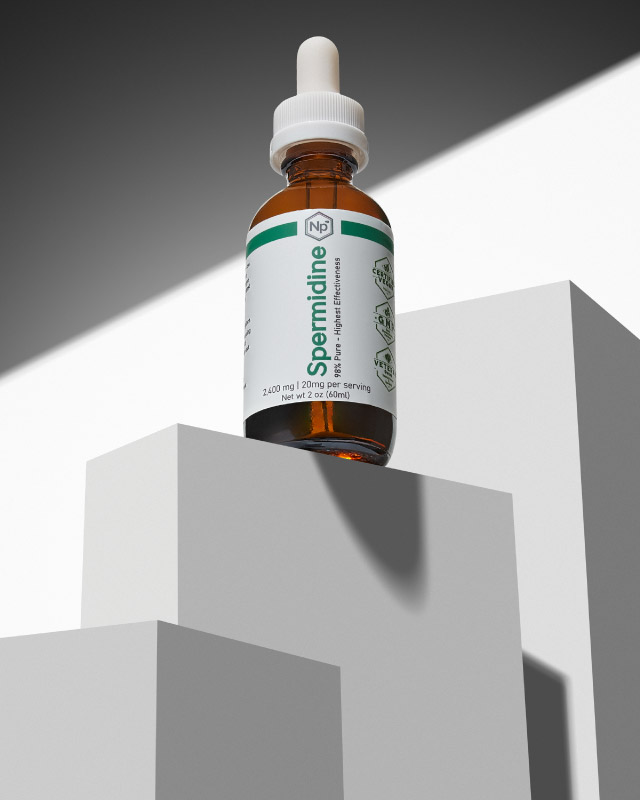
Modern science finds many natural ways to support life and vigor. This specific compound helps the body stay young at a biological level. It triggers a process called autophagy, where cells clean out old parts to work better.
Staying in top shape requires more than just a balanced diet. Research suggests this nutrient is vital for Spermidine men’s health and daily vigor. It aids prostate function and supports reproductive strength as the years pass.
As guys age, focusing on cellular renewal is the best way to stay resilient. Investing in your future starts with making small, smart choices today. Protecting your body at a microscopic level keeps your energy high for years to come.
Maintaining peak physical condition involves understanding how these molecules impact your system. By encouraging natural cleaning cycles in the body, you can enjoy a more active lifestyle. This approach ensures you remain strong and focused regardless of your age.
Key Takeaways
- Boosts cellular renewal through the process of autophagy.
- Supports reproductive vigor and natural fertility levels.
- Promotes healthy prostate function for long-term wellness.
- Enhances biological markers related to the aging process.
- Encourages overall systemic vitality and physical resilience.
- Aids in maintaining muscle integrity and heart function.
The Science of Spermidine and Autophagy
Spermidine’s role in inducing autophagy has opened new avenues in understanding cellular renewal and its implications for overall health. Autophagy, a natural process in which cells recycle and remove damaged components, is crucial for maintaining cellular homeostasis.
Understanding Cellular Renewal
Cellular renewal is a vital process that ensures the maintenance of tissue health and function. Autophagy plays a key role in this process by facilitating the degradation and recycling of cellular components. Spermidine has been shown to induce autophagy, thereby enhancing cellular renewal.
The induction of autophagy by Spermidine involves various cellular pathways. One of the primary mechanisms is the inhibition of acetyltransferase EP300, leading to the deacetylation and activation of key autophagy-related proteins.
The Role of Polyamines in Human Physiology
Polyamines, including Spermidine, are organic compounds that play critical roles in various cellular processes. They are involved in cell growth, proliferation, and differentiation. The table below summarizes the key functions of polyamines in human physiology.
| Polyamine Function | Cellular Process | Impact on Health |
|---|---|---|
| Cell Growth Regulation | Proliferation and Differentiation | Essential for tissue repair and maintenance |
| Autophagy Induction | Cellular Renewal | Enhances cellular homeostasis and stress resistance |
| Protein Synthesis Modulation | Translation and Transcription | Critical for cellular response to stress and growth signals |
The significance of Spermidine and other polyamines in human health cannot be overstated. Their role in maintaining cellular homeostasis through autophagy induction and other mechanisms underscores their potential as therapeutic targets for various diseases.
Spermidine Men’s Health: A Comprehensive Overview
Spermidine has emerged as a crucial factor in men’s health, influencing various physiological processes. Its role in maintaining male vitality is supported by its involvement in cellular renewal and autophagy, processes that are vital for overall health.
Biological Mechanisms Supporting Male Vitality
Spermidine supports male vitality through several biological mechanisms. It enhances autophagy, a process by which cells recycle damaged or dysfunctional components, thereby maintaining cellular homeostasis. Autophagy is crucial for sperm health and fertility, as it helps in maintaining the integrity of sperm cells.
Furthermore, Spermidine influences the regulation of gene expression and cell growth. It is involved in the modulation of polyamine metabolism, which is essential for various cellular functions, including cell proliferation and differentiation. This modulation is particularly important for maintaining healthy prostate tissue and supporting reproductive health.
How Spermidine Levels Decline with Age
As men age, Spermidine levels in the body decline. This decline is associated with a decrease in cellular autophagy and an increase in oxidative stress, contributing to the aging process. The reduction in Spermidine levels can impact male fertility and overall health, as it affects the body’s ability to maintain cellular homeostasis.
The decline in Spermidine levels with age highlights the potential benefits of supplementation. Maintaining optimal Spermidine levels through diet or supplementation may support male health, particularly in older men. Research into Spermidine supplementation has shown promising results in enhancing autophagy and potentially improving overall health outcomes.
Impact on Male Fertility and Reproductive Function
The role of Spermidine in enhancing male reproductive health is a topic of increasing interest. As research continues to uncover the mechanisms behind Spermidine’s effects, its potential benefits for male fertility are becoming more apparent.
Spermidine’s influence on male fertility is multifaceted, involving various biological processes that are crucial for reproductive health. One of the key areas where Spermidine exerts its effects is in the quality of sperm.
Sperm Quality
Sperm quality is a critical determinant of male fertility, and Spermidine has been shown to positively impact this aspect. Studies have indicated that Spermidine can improve sperm motility, morphology, and overall viability.
A study published in a reputable scientific journal found that Spermidine supplementation resulted in significant improvements in sperm parameters, suggesting its potential as a therapeutic agent for male infertility.
“Spermidine has been shown to enhance sperm quality by promoting autophagy and reducing oxidative stress in germ cells.”
The table below summarizes the effects of Spermidine on various sperm parameters:
| Sperm Parameter | Effect of Spermidine |
|---|---|
| Motility | Improved |
| Morphology | Enhanced |
| Viability | Increased |
Influence on Mitochondrial Function in Germ Cells
Mitochondrial function is vital for the energy-intensive processes involved in sperm production and motility. Spermidine has been found to influence mitochondrial function positively, thereby supporting the energy requirements of germ cells.
Mitochondrial health is crucial for maintaining the integrity and function of sperm. Spermidine’s role in promoting mitochondrial autophagy helps in removing damaged mitochondria, thus ensuring that sperm production is not compromised by dysfunctional cellular components.
By supporting mitochondrial function and overall sperm health, Spermidine supplementation may offer a valuable adjunct to traditional treatments for male infertility.
Prostate Health and Spermidine Supplementation
Emerging research suggests that Spermidine supplementation could have a positive impact on prostate health by promoting cellular homeostasis. The prostate gland is a critical component of the male reproductive system, and maintaining its health is essential for overall well-being.
Spermidine, as a naturally occurring polyamine, plays a significant role in various cellular processes, including cell growth, proliferation, and autophagy. Its potential protective effects on prostate tissue are of particular interest in the context of men’s health.
Potential Protective Effects on Prostate Tissue
Studies have indicated that Spermidine may exert protective effects on prostate tissue through several mechanisms. One key aspect is its role in regulating cell growth and preventing abnormal cell proliferation, which is crucial in maintaining prostate health and potentially reducing the risk of prostate-related disorders.
Additionally, Spermidine’s involvement in autophagy – a cellular process that removes damaged or dysfunctional components – may contribute to its protective effects. By promoting autophagy, Spermidine may help maintain cellular homeostasis within the prostate, potentially mitigating age-related decline or damage.
Current Research on Cellular Homeostasis in the Prostate
Current research is focused on understanding the complex interplay between Spermidine supplementation and prostate health. Studies are investigating how Spermidine affects cellular homeostasis in the prostate, including its impact on cell survival, inflammation, and oxidative stress.
While the exact mechanisms are still being elucidated, available data suggest that Spermidine supplementation may offer benefits for prostate health by supporting cellular homeostasis and potentially reducing the risk of prostate-related issues.
Spermidine and the Aging Process in Men
Spermidine’s role in cellular autophagy has sparked interest in its potential to influence the aging process in men. As men age, various cellular processes decline, contributing to the overall aging phenomenon. Spermidine, through its involvement in autophagy, may play a crucial role in maintaining cellular health and function.
Combating Age-Related Cellular Decline
Age-related cellular decline is characterized by the accumulation of damaged cellular components and a decrease in cellular renewal processes. Spermidine has been shown to induce autophagy, a natural process that helps remove damaged or dysfunctional cellular components, thereby potentially slowing down or mitigating some aspects of cellular aging.
By enhancing autophagy, Spermidine may help maintain cellular homeostasis and promote healthier aging. This process is crucial for removing protein aggregates and damaged organelles that can accumulate over time and contribute to cellular dysfunction.
Longevity Pathways and Metabolic Health
Spermidine’s influence extends to various longevity pathways, impacting metabolic health and potentially contributing to a longer, healthier life. Research has indicated that Spermidine can affect key cellular pathways involved in aging, including those related to energy metabolism and stress resistance.
The potential benefits of Spermidine on metabolic health are significant, as metabolic dysregulation is a hallmark of aging. By supporting cellular energy metabolism and reducing oxidative stress, Spermidine may help maintain metabolic health during the aging process.
Furthermore, Spermidine’s impact on longevity pathways such as the mTOR pathway and AMPK activation underscores its potential role in promoting healthy aging. These pathways are critical in regulating cellular metabolism, growth, and autophagy, all of which are closely linked to the aging process.
Dietary Sources of Spermidine
Spermidine, an essential polyamine, can be naturally obtained through the consumption of specific foods. Maintaining adequate levels of Spermidine through diet is crucial for supporting various bodily functions, including cellular renewal and overall health.
While Spermidine supplements are available, incorporating natural food sources into one’s diet can provide a balanced intake of this polyamine. Various foods are rich in Spermidine and other polyamines, offering a dietary approach to supporting health.
Natural Foods Rich in Polyamines
Several foods are known to be rich in polyamines, including Spermidine. These include:
- Certain cheeses, such as Cheddar and Gouda, which are known for their high Spermidine content.
- Fermented foods like Miso and Natto, which are rich in various polyamines.
- Some mushrooms, particularly certain varieties, are also good sources.
- Legumes and whole grains can contribute to overall polyamine intake.

Optimizing Absorption Through Diet
To maximize the benefits of dietary Spermidine, it’s essential to consider factors that influence its absorption. A balanced diet that includes a variety of whole foods can support optimal polyamine uptake.
Additionally, certain dietary habits can enhance the bioavailability of Spermidine. For instance, consuming foods rich in antioxidants and fiber can support gut health, potentially improving the absorption of polyamines.
Safety, Dosage, and Potential Side Effects
When it comes to Spermidine supplementation, safety guidelines are essential for informed decision-making. As with any supplement, understanding the appropriate dosage and potential side effects is crucial for maximizing benefits while minimizing risks.
Recommended Intake Guidelines
The optimal dosage of Spermidine can vary based on individual health needs and goals. Research suggests that typical dosages range from 1 to 10 mg per day.
Key Considerations for Dosage:
- Start with a low dose to assess tolerance
- Gradually increase as needed and under medical supervision
- Consider individual health status and age
Considerations for Long-Term Use
Long-term use of Spermidine supplementation requires careful consideration. While generally considered safe, potential interactions with other medications or health conditions need to be monitored.
| Potential Interaction | Health Consideration | Monitoring Recommendation |
|---|---|---|
| Blood Thinners | Increased risk of bleeding | Regular blood tests |
| Medications for High Blood Pressure | Potential for additive effects | Regular blood pressure checks |
| Gastrointestinal Conditions | Potential for gastrointestinal side effects | Monitor for symptoms like nausea or diarrhea |
It’s essential to consult with a healthcare professional before starting Spermidine supplementation, especially for long-term use. They can provide personalized guidance based on individual health profiles.
Synergistic Nutrients for Enhanced Efficacy
The potential of Spermidine can be further unlocked by combining it with other longevity-promoting substances and adopting certain lifestyle habits. This synergistic approach may enhance the overall efficacy of Spermidine supplementation in supporting men’s health, particularly in areas such as fertility, prostate health, and aging.
Combining Spermidine with Other Longevity Compounds
Research has shown that certain compounds can work in tandem with Spermidine to amplify its benefits. For instance, resveratrol and NAD+ precursors (such as nicotinamide riboside) are known for their roles in promoting cellular health and longevity. When combined with Spermidine, these compounds may enhance autophagy and improve mitochondrial function.
A study on the synergistic effects of Spermidine and resveratrol found that this combination significantly improved cellular clearance and reduced oxidative stress in various cell types. The table below summarizes some key longevity compounds that may be combined with Spermidine:
| Compound | Potential Benefits | Mechanism of Action |
|---|---|---|
| Resveratrol | Antioxidant, anti-aging | Activates SIRT1, promotes cellular health |
| NAD+ Precursors (e.g., NR, NMN) | Energy metabolism, DNA repair | Boosts NAD+ levels, supports mitochondrial function |
| Omega-3 Fatty Acids | Anti-inflammatory, heart health | Reduces inflammation, supports cell membrane health |
Lifestyle Factors That Boost Autophagy
In addition to combining Spermidine with other longevity compounds, certain lifestyle factors can significantly enhance autophagy. Exercise, particularly aerobic exercise, has been shown to induce autophagy in various tissues. Caloric restriction and fasting are also potent autophagy inducers, as they stimulate cellular recycling and renewal.
Other lifestyle factors that support autophagy include:
- Getting adequate sleep to allow for cellular repair and renewal
- Managing stress through techniques like meditation or yoga
- Avoiding excessive alcohol consumption, which can impair autophagy

By integrating these lifestyle factors with Spermidine supplementation, individuals may potentially maximize the benefits of this polyamine on their overall health and longevity.
Conclusion
Spermidine has emerged as a vital compound for men’s health, offering a range of benefits that can enhance overall well-being. By supporting autophagy and cellular renewal, Spermidine plays a crucial role in maintaining male vitality.
The potential benefits of Spermidine for men’s health are multifaceted, from improving fertility and prostate health to combating age-related decline. As research continues to uncover the mechanisms behind Spermidine’s effects, its significance for Spermidine men’s health becomes increasingly evident.
Incorporating Spermidine into one’s regimen, whether through dietary sources or supplementation, may be a valuable strategy for supporting long-term health. Understanding the Spermidine benefits can empower individuals to make informed decisions about their health and wellness.
As the science surrounding Spermidine continues to evolve, it is clear that this polyamine holds considerable promise for enhancing men’s health across various aspects of life.